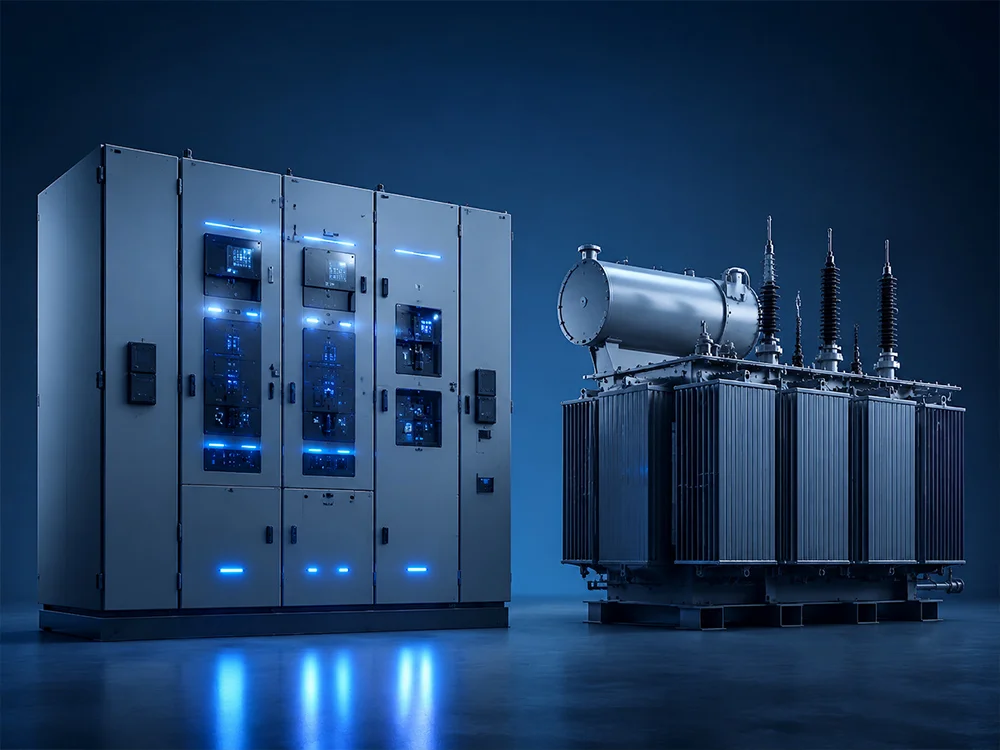
Компания Shenheng Power с 2001 года является надежным производителем оборудования для передачи и распределения электроэнергии, поставляя надежные электротехнические решения по всему миру.
Опираясь на комплексную систему послепродажного обслуживания, мы предоставляем экспертные технические консультации, рекомендации по продукции и гибкие услуги OEM и ODM для ваших проектов.
Компания Shenheng Power с 2001 года является надежным производителем оборудования для передачи и распределения электроэнергии, поставляя надежные электротехнические решения по всему миру.
Противокоррозионная защита электрооборудования в прибрежных условиях
Время выхода: 2026-10-19
Switchgear corrosion protection in coastal environments requires a coordinated barrier against salt deposition, moisture and coating damage. A paint specification alone is insufficient: the equipment location, building air path, enclosure interfaces, transport conditions and inspection plan must work together. Start by documenting the actual exposure, then obtain a supplier proposal covering the complete assembly and its maintenance requirements. This guide helps industrial buyers and project engineers review that proposal without assuming that an indoor cabinet becomes suitable for outdoor coastal service simply because its surface finish has been upgraded.
Define the coastal exposure before specifying paint
Distance from the shoreline is useful context, but it does not describe the complete environment. Prevailing wind, building openings, airborne process contaminants, washdown practices and periods without climate control can change what reaches the equipment. A protected room may still admit salt through its ventilation intake or during construction. Record these routes rather than assigning a corrosion category from a map alone.
Distinguish the equipment’s normal operating location from its delivery and storage conditions. A cabinet intended for a dry indoor room can be exposed to sea air at a port, on an uncovered truck or in a partly finished building. Ask how packaging, temporary storage and acceptance inspections address those stages. Protection must remain effective until the permanent room is ready.
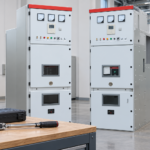
Используйте KYN28 switchgear product information to identify the relevant equipment family. Its photograph does not establish a coastal rating, coating category or special-service approval. Those commitments belong in the project-specific technical offer and supporting documents.
Separate corrosion classification from electrical suitability
The published scope of ISO 12944-2 addresses environmental classification for protective paint systems on steel structures. It provides a useful vocabulary for discussing exposure. It does not, by itself, certify the electrical performance of a switchgear assembly or define an acceptable treatment for every internal component.
Аналогичным образом, ISO 12944-5 concerns selection of protective paint systems within its stated scope. Ask a coatings specialist and the switchgear manufacturer how any proposed system applies to the actual substrate and service. Do not transfer a structural-steel paint designation directly to busbars, insulating surfaces, operating mechanisms or electrical joints.
Read the IEC 62271-200 buyer guide alongside the environmental specification. The electrical assembly requirements and the coastal protection package should be compatible. Any unusual treatment must preserve the declared construction, clearances, grounding continuity and operation of the approved equipment.
Review the complete protection package
Review area
Information to request
Practical acceptance question
Exposure
Indoor conditions, salt entry routes and periods without room control
Does the proposal address the actual installation and storage environment?
Steel surfaces
Substrate preparation, coating system and repair procedure
Are edges, seams, concealed surfaces and site damage covered?
Программное обеспечение
Fastener and hinge materials, surface treatment and compatibility
Are vulnerable small parts included rather than only large panels?
Interfaces
Gaskets, penetrations, ventilation openings and cable-entry arrangement
Can installation work defeat the proposed protection?
Electrical parts
Manufacturer-approved treatment and inspection limits
Is corrosion protection compatible with insulation and contact function?
Доказательства
Inspection records, applicable tests and stated limitations
Can the delivered construction be matched to the submitted evidence?
This is a procurement review table, not a universal coating schedule. Film thicknesses, test methods and acceptance limits must come from the approved specification and manufacturer procedure. The appropriate values depend on the material, coating system and exposure being addressed.
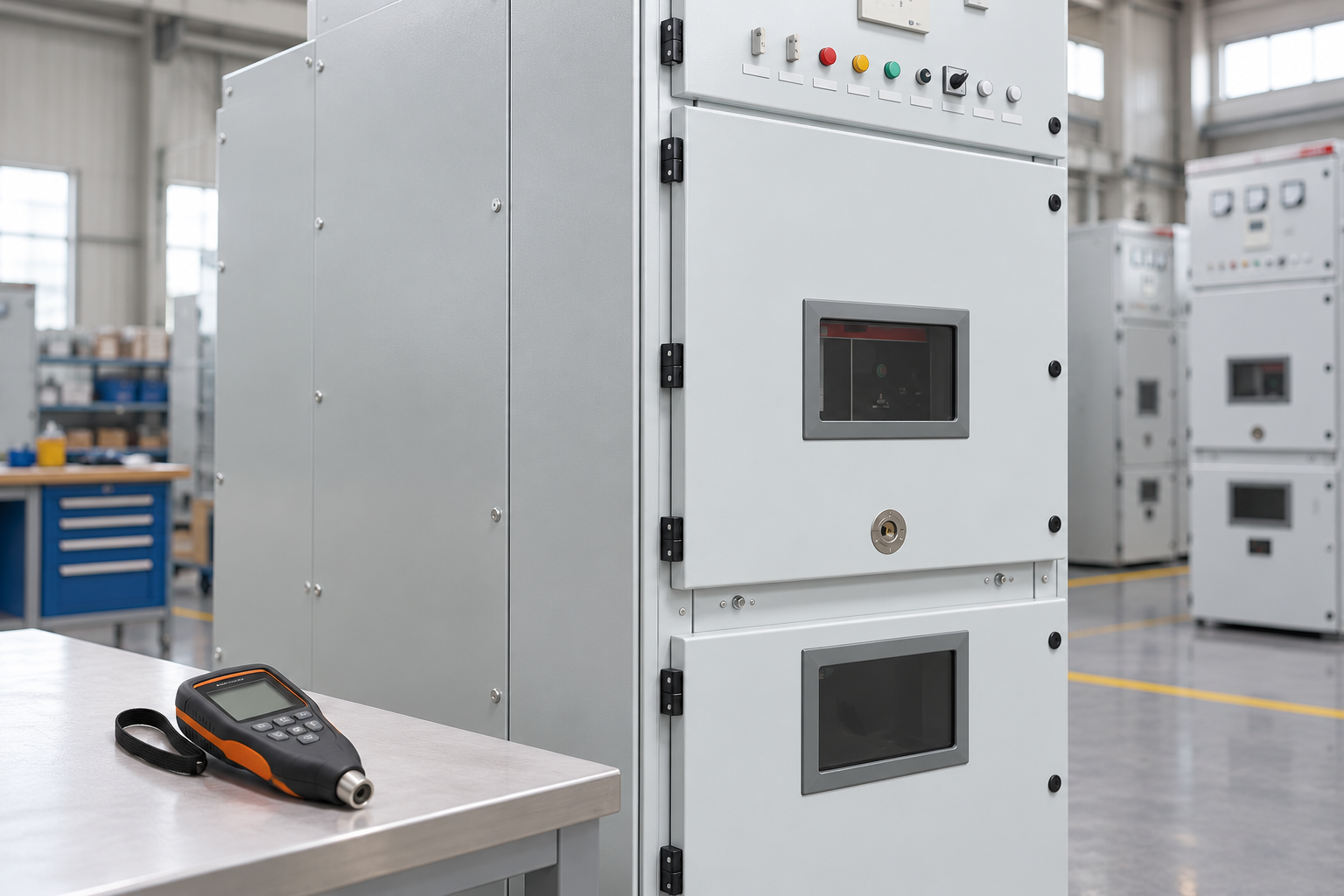
Review panel edges, seams and hardware as part of the protection package. Reference-based illustration.
Look beyond the flat painted panels
Large panels are easy to photograph, but corrosion often starts at less visible details. Review cut edges, folded seams, hinge interfaces, panel fixings, base frames and areas disturbed during transport. Ask how these details are prepared and protected during manufacture. A smooth visible face does not prove that every vulnerable edge received the specified treatment.
Material substitution also needs review. A different fastener material may change its interaction with adjacent metal or alter the mechanical properties expected by the approved design. Avoid a blanket instruction to replace all hardware with stainless steel. Obtain an approved material schedule and installation instructions that account for both corrosion and electrical or structural function.
Earthing connections deserve particular care. Protective treatments should not interfere with the intended conductive path. Equally, removing coatings without an approved method can create a new corrosion site. The manufacturer should define the connection detail, surface preparation, assembly method and subsequent protection. Site crews should follow that detail rather than improvising a coating or abrasive-cleaning method.
Keep contaminated air away from the equipment
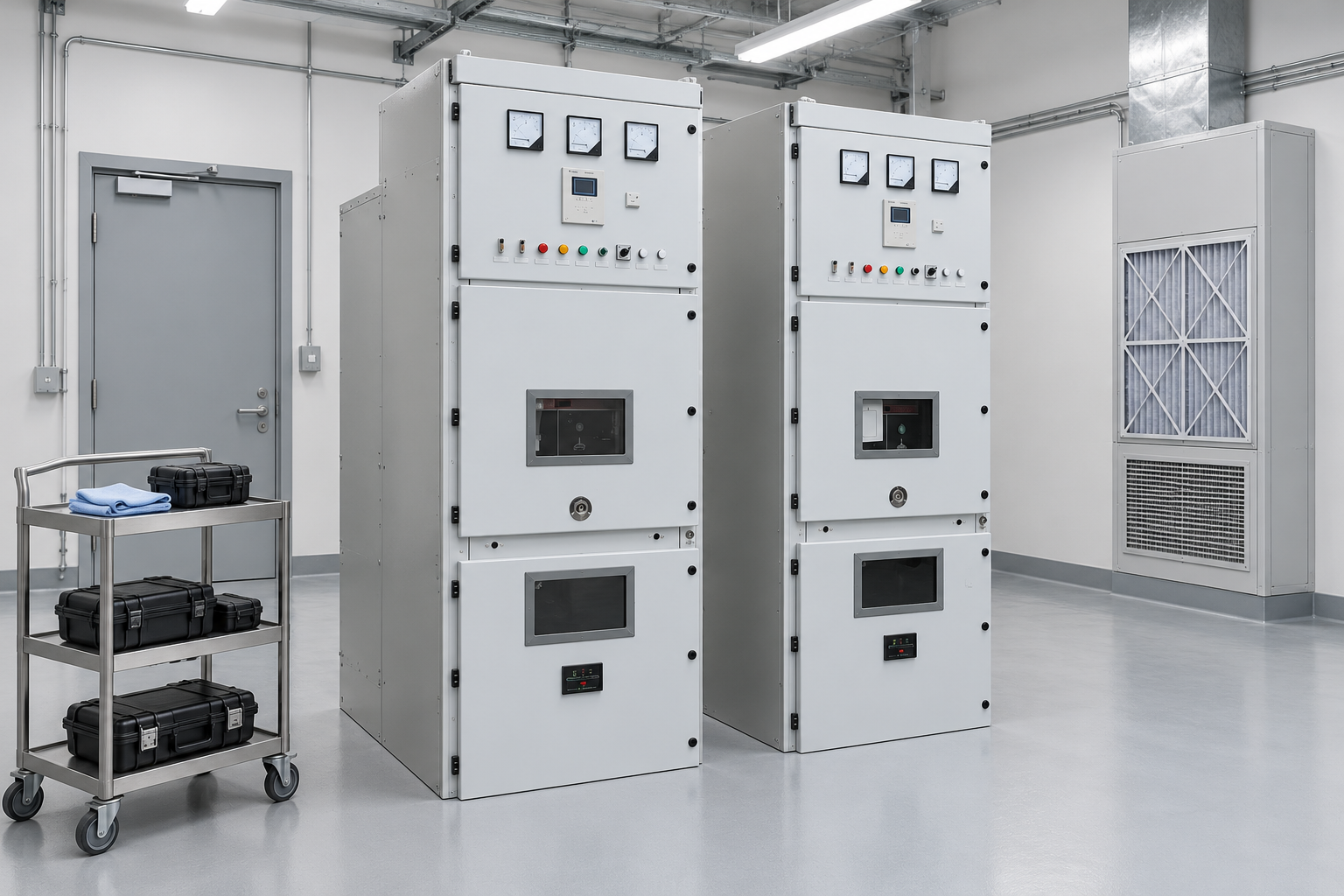
Review intake locations, door use, building leakage and the route from the outside environment to the switchgear. A ventilation system that moves enough air for heat removal may still carry contaminants into the room. Ask the building designer to reconcile heat removal, filtration, pressure relationships and maintenance access as one environmental design.
This differs from simply adding a space heater. The switchgear condensation-prevention guide addresses moisture-related conditions, while this article focuses on corrosion exposure and protection evidence. Heating does not remove deposited salt, repair damaged coatings or establish that an enclosure is suitable for a polluted environment.
Avoid sealing openings or adding filters to the cabinet without manufacturer approval. Such changes can affect cooling, pressure-relief provisions or the approved assembly construction. Where the environment exceeds the offered equipment conditions, resolve the building arrangement or specify an approved equipment configuration. A site-made cover is not a substitute for that engineering decision.
Specify inspection evidence that can be traced
A useful inspection package connects the material and process records to the delivered assembly. Ask which surfaces and components each record covers, how coating repairs are documented and what happens if shipping damage is found. Broad statements such as marine finish provide little assurance unless the actual construction and acceptance basis are identified.
If a laboratory corrosion test is offered, request the test method, specimen description, preparation, exposure conditions and assessment criteria. Determine whether the specimen represents the panel system, hardware or complete assembly. A result for one material should not be described as proof for every component. Do not convert laboratory exposure hours into an unsupported number of years of coastal service.
The NPTEL material on protective coatings provides educational background on barriers against corrosion. For a project, use the agreed coating documentation and inspection plan to define measurable acceptance. General teaching material does not establish a particular switchgear product’s qualification.
Plan delivery, storage and site handover
Before shipment, confirm who controls packaging, unloading, temporary storage and unpacking. Record the environmental assumptions behind the packaging method. Ask how long the specified protection remains suitable under the agreed conditions and what inspections are needed if the delivery sequence changes. Do not assume transport packaging is a permanent enclosure.
At receipt, document visible damage and signs of moisture before removing protective materials. Compare the delivered condition with the supplier’s acceptance instructions. Damaged coating, loose seals or contaminated surfaces should enter a defect register with photographs, location and agreed corrective action. Painting over a damaged area before its condition is recorded can make later assessment harder.
A clean handover also requires a ready building. Construction dust, open roof penetrations and wet cleaning operations can undermine factory protection. The owner should confirm room readiness before equipment installation and identify any temporary measures that remain necessary. Keep responsibility for room conditions separate from responsibility for the supplied cabinet, while ensuring neither interface is left unassigned.
Maintain the room environment as well as the cabinet finish. Reference-based illustration.
Build maintenance around observed conditions
Use the manufacturer’s instructions and site experience to establish inspection frequency. Coastal exposure does not justify an invented universal service interval. Begin with a documented baseline and review trends in coating condition, deposits, seals and room environmental records. Increase attention when conditions change, such as after building work or a prolonged loss of room control.
The switchgear preventive-maintenance guide covers broader maintenance scope and records. For corrosion, make locations repeatable: identify the cabinet, panel edge, fixing or base area being monitored. Comparable photographs and defect descriptions are more useful than a general statement that the equipment looks acceptable.
Any internal inspection or corrective work must follow the owner’s isolation, verification and access procedures. Do not spray cleaners, inhibitors or protective compounds into assembled switchgear based on a general article. A substance that protects one metal surface may be unsuitable for insulation, contacts or moving mechanisms. Obtain manufacturer-approved products and procedures for the specific location.
Compare bids using exclusions as well as promises
Ask each bidder to identify what its environmental package includes and excludes. Does the offer cover internal steelwork, hardware, base frames, auxiliary compartments and shipping protection? Which environmental conditions remain the owner’s responsibility? Are inspection and repair instructions supplied, and do they require specialist attendance?
Then compare evidence on a consistent basis. A higher advertised coating category cannot compensate for missing scope, incompatible repairs or a room that exposes indoor equipment to weather. Close these differences before placing the order. The strongest proposal is the one whose construction, environmental assumptions and maintenance obligations can be verified throughout delivery and operation.
Learn the corrosion-control background
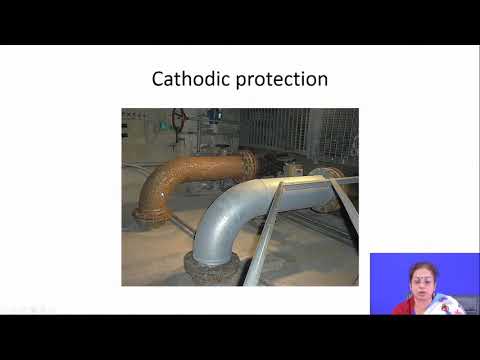
Further learning: Lecture 35 : Corrosion Prevention — NPTEL IIT Kharagpur. Educational background; this is not an operating authorization. Открыть видео на YouTube.
The lecture explains general corrosion prevention principles. It does not qualify the illustrated switchgear for a coastal installation or authorize any coating change. Use it to understand why material choice, environment and protection methods need to be considered together.
Часто задаваемые вопросы
Does a coastal installation always require outdoor switchgear?
No. The choice depends on the actual equipment location and environmental conditions. Indoor switchgear may be appropriate inside a suitably designed building, but the supplier must confirm suitability for the specified conditions and any special-service requirements.
Is an IP rating enough to prove corrosion resistance?
No. Ingress protection and corrosion performance address different characteristics. Review the enclosure arrangement together with the coating, materials, hardware, environmental assumptions and supporting evidence rather than relying on one marking.
Can site teams improve protection by painting internal parts?
Only through an approved manufacturer procedure for the identified component. Unreviewed coatings can affect electrical contacts, insulation, cooling or mechanisms. Record the defect and obtain an agreed corrective method before altering the assembly.
What should the coastal switchgear RFQ include?
Include the installation and storage exposure, room environmental design, required material and coating documentation, inspection evidence, repair procedure and maintenance responsibilities. Require the supplier to list deviations and confirm the actual assembly configuration covered by its proposal.
Компания Shenheng Electric Power стремится стать мировым лидером в области решений для энергетического оборудования, помогая клиентам обеспечивать безопасное, эффективное и экологичное управление электроснабжением.

 Шэньхэн Силовое Оборудование Ко., Лтд.