Desde 2001, a Shenheng Power tem sido um fabricante de confiança de equipamento de transmissão e distribuição de energia, fornecendo soluções elétricas fiáveis a nível global.
Apoiados por um sistema pós-venda completo, fornecemos consultoria técnica especializada, orientação de produtos e serviços flexíveis de OEM e ODM para os seus projetos.
Desde 2001, a Shenheng Power tem sido um fabricante de confiança de equipamento de transmissão e distribuição de energia, fornecendo soluções elétricas fiáveis a nível global.
Compact Substation Roof Fastener Replacement: Review the Complete Joint
Release Time: 2026-11-18
Compact substation roof fastener replacement should preserve the approved roof joint, rather than simply replace a missing bolt with one that fits. Confirm the fastener’s role, the supporting material, sealing details, corrosion protection and any bonding function before approving a spare. Use the substation manufacturer’s drawing and maintenance instructions to define the replacement and acceptance requirements. A roof fixing may belong to a removable panel, a structural connection or another assembly detail, so its purpose cannot be established from the visible head alone. Do not climb onto the enclosure or remove roof fixings to identify them.
This guide supports maintenance planning and purchasing. It does not provide roof-removal instructions, torque values or permission to work on an energized substation. Access, electrical safety and any lifting activity require the site’s authorized arrangements.
Establish which joint needs attention
Identify the substation, enclosure model and affected roof location. Use a marked drawing or a photograph taken from a permitted position to distinguish the joint from adjacent fittings. Record whether the concern is a missing fastener, visible corrosion, a loose component, damaged sealing or a distorted mounting surface. These are different observations and should not be combined into an assumed diagnosis.
Ask the manufacturer what the joint does in the approved assembly. A similar-looking fitting elsewhere on the enclosure may have a different role. Do not assume that a roof attachment is a lifting point, that an accessible screw is safe to remove or that an external fitting provides access to the whole joint.
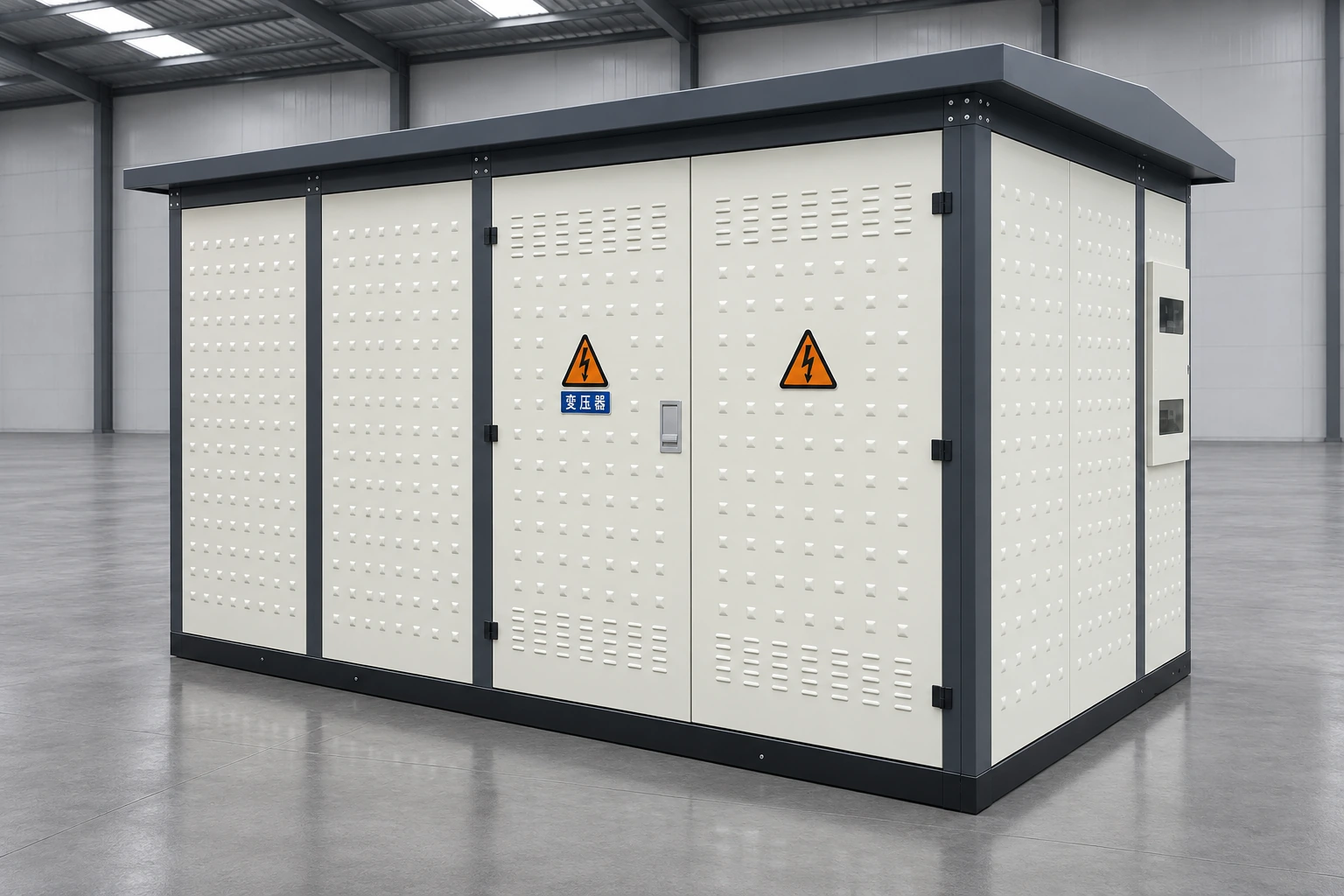
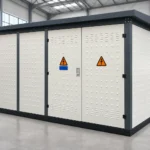
O Shenheng compact substation product page establishes the relevant equipment family. Its reference illustration shows the overall enclosure and roof, not the hidden roof attachment details. The photograph cannot identify a fastener grade, thread, sealing washer or tightening requirement. Obtain those details from the actual enclosure documents.
Ilustração de referência do produto baseada na imagem do produto da Shenheng; não constitui um registo real de manutenção, ensaio ou instalação nas instalações de um cliente.
Separate a fastener defect from a roof or drainage problem
Visible rust around a fixing does not establish whether the fastener, coating, supporting sheet or joint interface is the main issue. Likewise, a wet area does not prove that the nearest bolt is the entry path. Record the observations separately and ask the specialist which inspection is needed before defining the repair.
For a suspected water path, use the compact substation roof drainage review alongside this component enquiry. For a damaged door or opening, keep the relevant enclosure repair in its own scope. A small hardware replacement should not be used to close an unresolved water-ingress finding without supporting evidence.
O IEC 62271-202:2022 publication overview identifies structural requirements and test methods as part of the standard’s scope for enclosed prefabricated substations. This establishes why the complete assembly matters. The public overview does not provide a repair procedure or demonstrate that a particular field replacement preserves all declared performance.
Compare the complete fastened joint
Prepare a comparison that includes everything the manufacturer considers part of the joint. Buying a bolt without the associated sealing or retention details may leave the quotation incomplete. Ask for a replacement assembly or a clearly itemized list, with applicability to the actual enclosure revision.
Joint feature
Information to confirm
Procurement risk if omitted
Fastener identity
Approved part reference, geometry and specified material or grade
A physically fitting item may have the wrong function or properties
Supporting connection
Drawing of the mating part and attachment arrangement
Damaged or mismatched support may remain unresolved
Retention components
Required nuts, washers or other specified devices
The offer may exclude components needed for the approved joint
Weather interface
Applicable sealing detail and replacement instructions
Hardware replacement may leave an open water path
Surface protection
Approved finish and treatment of disturbed surfaces
A new part may not address exposed or damaged surrounding material
Electrical role
Manufacturer’s confirmation of any bonding function
An electrical interface may be overlooked as ordinary hardware
Base de aceitação
Installation requirements and required evidence
Completion may be judged by appearance alone
This table is a review checklist, not a material specification. Do not infer fastener strength, corrosion class, tightening torque or sealing performance from the article. The responsible manufacturer or engineer must supply the applicable requirements.
Review material and finish as an assembly choice
Avoid selecting a replacement solely because it is described as stainless, galvanized or heavy duty. Such labels do not answer whether the item is suitable for the connected materials, environment and original joint design. Request an applicability statement rather than relying on a general fastener catalogue description.
cURL Too many subrequests by single Worker invocation. To configure this limit, refer to https://developers.cloudflare.com/workers/wrangler/configuration/#limits.
cURL Too many subrequests by single Worker invocation. To configure this limit, refer to https://developers.cloudflare.com/workers/wrangler/configuration/#limits.
cURL Too many subrequests by single Worker invocation. To configure this limit, refer to https://developers.cloudflare.com/workers/wrangler/configuration/#limits
cURL Too many subrequests by single Worker invocation. To configure this limit, refer to https://developers.cloudflare.com/workers/wrangler/configuration/#limits.
cURL Too many subrequests by single Worker invocation. To configure this limit, refer to https://developers.cloudflare.com/workers/wrangler/configuration/#limits.
cURL Too many subrequests by single Worker invocation. To configure this limit, refer to https://developers.cloudflare.com/workers/wrangler/configuration/#limits
Do not assume every roof fastener carries a bonding function, and do not assume none of them do. Ask the manufacturer to identify the intended electrical continuity arrangements for removable roof sections and related panels. Record the relevant drawing rather than inferring the design from visible contact between metal surfaces.
If the repair affects an identified bonding connection, include it explicitly in the work scope and acceptance plan. The responsible electrical team should determine the required verification. A mechanical inspection, a new bolt or a photograph of a closed joint does not independently demonstrate an electrical requirement has been met.
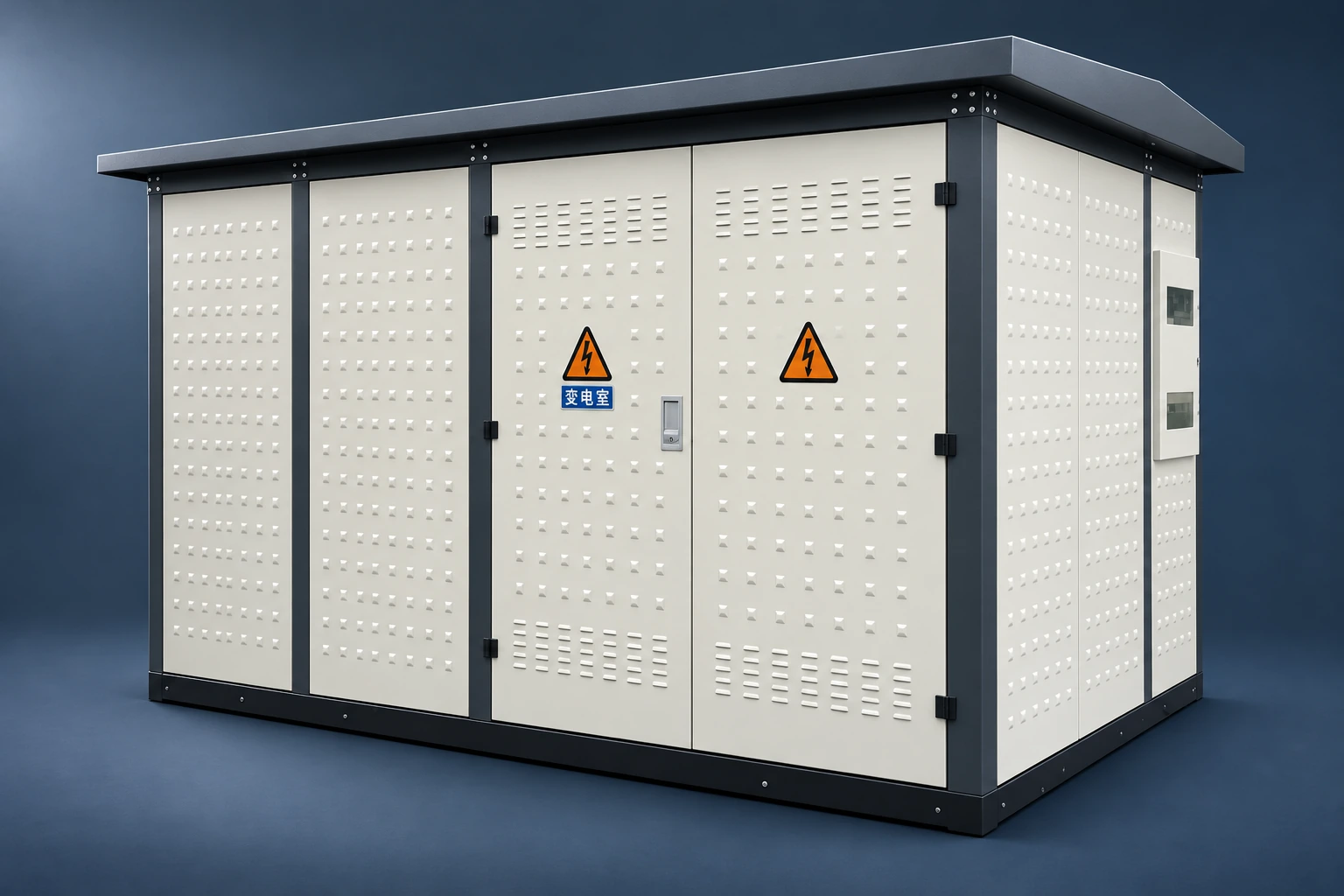
O mais abrangente substation grounding guide explains system-level considerations. It is useful context for asking the right questions, but it cannot prescribe the function of a particular roof joint. Keep that distinction in the maintenance record so a general reference does not become an unsupported equipment approval.
Ilustração de referência do produto baseada na imagem do produto da Shenheng; não constitui um registo real de manutenção, ensaio ou instalação nas instalações de um cliente.
Plan access and any roof movement before work begins
A component-level repair can create a larger access problem. Establish whether the affected joint can be assessed without roof movement and who is authorized to make that determination. If removal or lifting is required, obtain the enclosure-specific instructions and a separate plan for that activity. Do not treat the roof as a work platform or assume its attachments are lifting accessories.
O HSE equipment-maintenance guidance highlights planning, competence, safe access and hazards associated with maintenance at unusual locations or height. It provides general background, rather than substation roof instructions. The actual site plan must address the equipment, electrical surroundings, work area and people who could be affected.
O HSE guidance on working with electrical equipment is an additional general reference for electrical safety planning. Neither source authorizes the work. The responsible site team must establish the safe condition and the permitted scope before any connection is disturbed.
Send a quotation request that defines the repair
Include the enclosure identification, drawing revision, joint location, defect record and the manufacturer’s required replacement details. State whether the request covers supply only, inspection, installation or a complete repair package. Ask the bidder to identify exclusions such as access provision, surrounding coating repair, sealing components or acceptance checks.
Request a clear statement about the offered part: original replacement, approved supersession or proposed alternative. If a substitute is offered, the technical review should be completed before purchase approval. A quotation should not silently transfer the responsibility for compatibility to the installer through a vague “suitable for site conditions” description.
For wider equipment planning, the lista de verificação de manutenção de subestação helps keep this finding within the overall asset programme. Record the fastener issue as a defined task with an owner and evidence requirement, rather than marking the whole roof serviceable because one visible defect has been addressed.
Close the work with a traceable configuration record
Retain the part identification, installation record, repair detail and required acceptance evidence. If the joint’s supporting material needed repair, record that work too. The final record should explain what changed and which outstanding findings remain, including any separate water-ingress or corrosion investigation.
The responsible engineer should decide whether follow-up observation is needed and how it will be conducted safely. A dry day after repair is not evidence of performance under every service condition. Equally, do not invent a universal water test or retightening interval. Use the manufacturer’s requirements and the approved repair scope.
Further learning: maintenance isolation
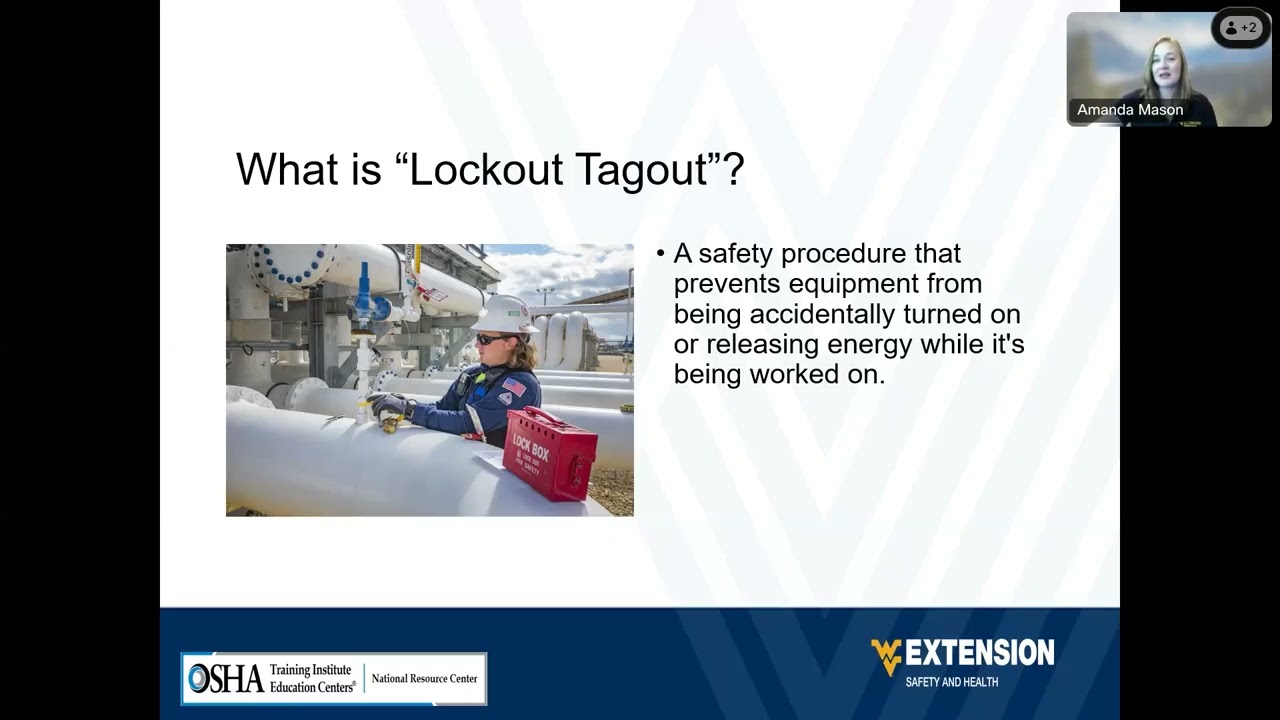
The US Department of Labor video introduces lockout/tagout as general maintenance safety background. It does not show roof access, lifting or substation repair. Use the site’s authorized procedures and equipment-specific instructions for the actual work.
Aprendizagem adicional: Levante-se pela Segurança e Saúde – Bloqueio e Etiquetagem — Departamento do Trabalho de Portugal. Apresentado no YouTube.
Perguntas frequentes
Can a missing roof bolt be replaced by matching its diameter?
Diameter alone is insufficient. Confirm the full fastener identity, mating connection, retention, sealing, finish and any electrical role against the approved joint detail.
Is stainless steel automatically the best replacement?
No. Suitability depends on the complete joint and service conditions. A material change should be reviewed and documented for the actual enclosure.
Does replacing a fastener restore the enclosure rating?
That cannot be concluded from the replacement alone. The manufacturer or responsible engineer must define the repair and evidence appropriate to the affected enclosure features.
Can the product photograph identify hidden roof fixings?
No. The photograph shows the product's external appearance. Use serial-specific drawings and authorized inspection to identify the actual attachment arrangement.
A Shenheng Electric Power está empenhada em tornar-se líder global em soluções de equipamentos elétricos, ajudando os clientes a alcançar uma gestão de energia segura, eficiente e sustentável.
Se tiver alguma dúvida ou precisar de ajuda, não hesite em contactar a nossa equipa.
N.º 168, Estrada South Sixth de Punan, Zona de Desenvolvimento Económico de Yueqing, Cidade de Yueqing, Cidade de Wenzhou, Província de Zhejiang, China

 Shenheng Power Equipment Co., Ltd.