Sinds 2001 is Shenheng Power een vertrouwde fabrikant van apparatuur voor krachtoverbrengst en -distributie en levert wereldwijd betrouwbare elektrische oplossingen.
Ondersteund door een volledig aankoopachterdrachtsysteem, bieden wij deskundig technisch advies, productbegeleiding en flexibele OEM- en ODM-diensten voor uw projecten.
Sinds 2001 is Shenheng Power een vertrouwde fabrikant van apparatuur voor krachtoverbrengst en -distributie en levert wereldwijd betrouwbare elektrische oplossingen.
Transformer Radiator Isolation Valve Maintenance: Confirm the Cooling Path
Release Time: 2026-11-17
A transformer radiator isolation valve maintenance review should establish which valves actually exist, how their position is verified, and whether the radiator can carry its intended oil flow after work. A handle position alone is insufficient evidence when the stem or internal mechanism may be damaged. Start with the transformer’s serial number, cooling drawings, maintenance history and manufacturer instructions. Then define the inspection, isolation and acceptance work that qualified personnel must perform. This guide is a planning and procurement checklist, not a valve-operating procedure or permission to work on energized equipment.
First confirm that the radiator has isolation valves
Not every finned transformer has detachable radiator banks or individual shutoff valves. Some cooling surfaces are integral to the tank. Others connect through flanges with separate upper and lower valves. A product photograph can help identify the equipment family, but it cannot establish the internal oil circuit, valve type or a safe removal method.
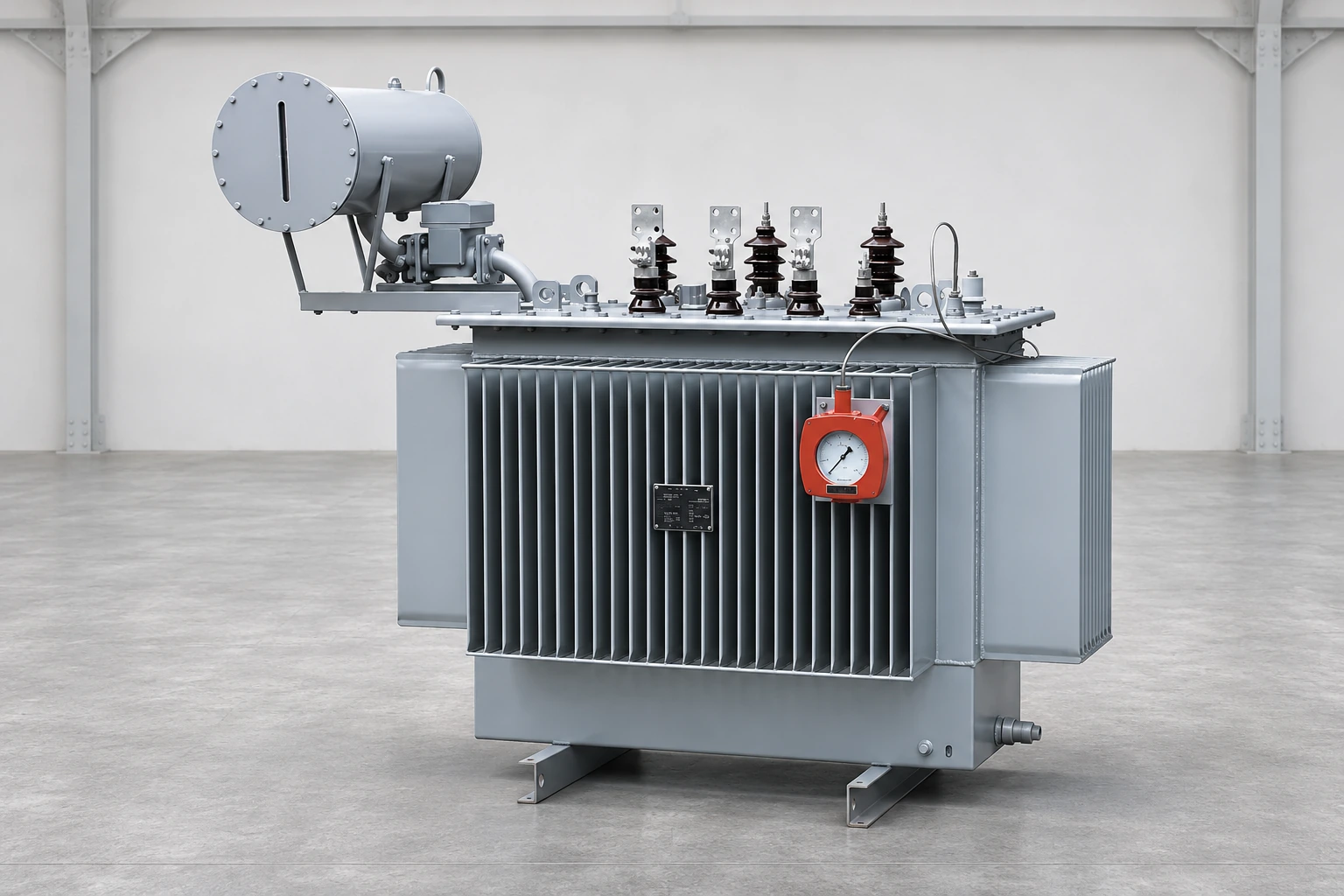
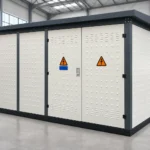
Shenheng’s olie ondergedompelde industriële transformator is a relevant product reference for this discussion. The illustration shows its external tank, cooling fins and conservator arrangement; it does not prove that a particular radiator isolation valve is supplied. Request the serial-number-specific general arrangement, cooling circuit and bill of materials before purchasing a spare or planning maintenance.
For broader selection context, use the oil transformer buyer’s guide. The present review concerns the condition and documented configuration of an existing cooling path. It does not replace selection of a transformer rating or comparison of cooling classes.
Productreferentie-illustratie op basis van de productafbeelding van Shenheng; geen daadwerkelijk onderhouds-, test- of klantlocatierecord.
Why an apparently open valve can still deserve investigation
The US Bureau of Reclamation’s Transformer Maintenance guide discusses radiator isolation valves and warns that a failed stem can leave a valve closed despite its external indication. It also describes temperature differences associated with impaired radiator circulation. These are diagnostic considerations, not a universal instruction to move a suspect valve while the transformer is operating.
A cooler radiator may reflect an obstructed path, but temperature depends on load, ambient conditions, cooling controls and the number of banks operating. A single photograph or thermal reading cannot separate these effects. Compare equivalent locations under recorded conditions, and have the responsible engineer decide whether the pattern requires an outage, additional measurements or manufacturer investigation.
An oil leak creates a different question. The team must establish whether leakage originates at the flange gasket, valve body, stem seal or adjacent pipework. Ordering a complete valve for a gasket leak may add unnecessary disturbance; tightening unidentified fasteners can introduce another defect. Record the leak location precisely and retain the original evidence before any authorized intervention.
Build a valve and radiator register
Give each radiator bank a stable identifier tied to a drawing. Record upper and lower connection references, valve identification, visible indication, previous work and any approved restrictions. Where a label is missing, record the uncertainty rather than inventing an equipment number from physical position alone.
The register should connect observations to action. “Valve checked” is too vague to support later review. A useful entry identifies the condition observed, the method permitted by the manufacturer, the person responsible and the next decision. When functional confirmation is required, its scope belongs in an approved work package prepared for the actual equipment.
The following qualitative table is a planning aid derived from the maintenance considerations in the Bureau of Reclamation guide and the HSE guidance on safe electrical work. It introduces no generic torque, temperature or pressure limits.
Recensie van het product
Bevindingen om te vragen
Reden om goedkeuring te behouden
Cooling circuit identity
Serial-specific drawing and bank labels
Field layout differs from the drawing
Valve mechanism
Manufacturer identification and inspection criteria
Handle moves but internal position is uncertain
Oil boundary
Confirmed leak origin and approved sealing details
Gasket, stem and body leakage are not distinguished
Radiator condition
Recorded external condition and comparable thermal observations
Restricted circulation remains unexplained
Isolation plan
Authorized electrical and oil-system work arrangements
Residual pressure, oil containment or connected circuits unresolved
Final configuration
Recorded valve status and cooling-system acceptance
No independent review of restored oil paths
Separate electrical isolation from oil-system preparation
Removing electrical supply does not, by itself, establish that a fluid-containing component can be opened safely. The work package must address the actual oil system, temperature, possible pressure, connected pipework, access, environmental containment and the condition of adjacent equipment. The manufacturer and site procedures determine the necessary controls.
cURL Too many subrequests by single Worker invocation. To configure this limit, refer to https://developers.cloudflare.com/workers/wrangler/configuration/#limits.
cURL Too many subrequests by single Worker invocation. To configure this limit, refer to https://developers.cloudflare.com/workers/wrangler/configuration/#limits.
cURL Too many subrequests by single Worker invocation. To configure this limit, refer to https://developers.cloudflare.com/workers/wrangler/configuration/#limits
cURL Too many subrequests by single Worker invocation. To configure this limit, refer to https://developers.cloudflare.com/workers/wrangler/configuration/#limits.
cURL Too many subrequests by single Worker invocation. To configure this limit, refer to https://developers.cloudflare.com/workers/wrangler/configuration/#limits.
cURL Too many subrequests by single Worker invocation. To configure this limit, refer to https://developers.cloudflare.com/workers/wrangler/configuration/#limits
An acceptance plan should exist before parts arrive. State how the approved valve configuration will be recorded, what inspections will precede return to service and which operating observations will be reviewed afterward. Identify the load and ambient information needed to interpret those observations.
A typical evidence package can include signed work records, component traceability, leak inspection results and cooling observations at manufacturer-defined conditions. The required tests and acceptance values remain specific to the transformer. This guide does not supply a universal waiting period or a permissible difference between radiator temperatures.
Where several banks exist, explain how the team will avoid confusing one bank’s result with another. Use the same bank identifiers in the drawing, photographs and maintenance report. If oil circulation remains uncertain, escalate the result; do not simply record the handle in its expected position and close the work order.
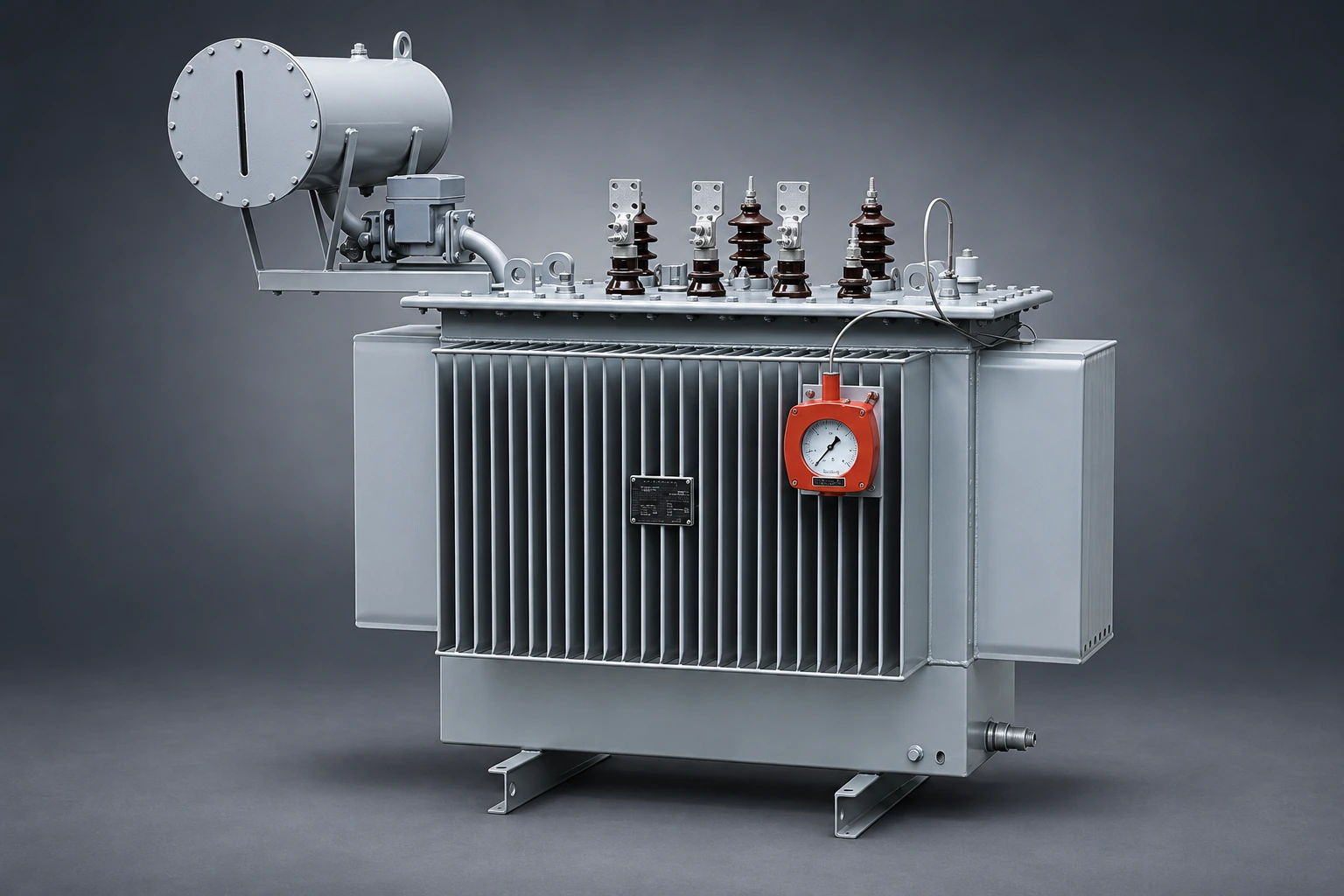
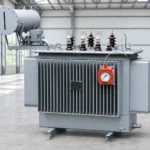
Productreferentie-illustratie op basis van de productafbeelding van Shenheng; geen daadwerkelijk onderhouds-, test- of klantlocatierecord.
Interpret temperature evidence with the rest of the system
A cooling concern can originate outside the valve. Fans may not be operating when expected, radiator surfaces may be obstructed, or the instrument used for comparison may be unreliable. Review these possibilities without changing controls or forcing operation outside the authorized test plan.
De ONAN versus ONAF cooling explanation helps distinguish natural circulation from systems that add forced air. It does not establish the equipment’s permissible temporary rating when a radiator is unavailable. That decision requires the manufacturer’s approved limitations and the site’s operating authority.
Also confirm the temperature instrument being used. An unresolved oil temperature gauge replacement can make before-and-after comparisons misleading. Record which instrument produced each reading and whether its identity and condition are acceptable. A convenient display reading should not become a false baseline for approving an unrelated repair.
Common approval errors
Treating an external pointer as proof of internal position. A damaged mechanism can break that relationship. Ask for an approved confirmation method and retain the result.
Assuming every cooling fin is part of a removable bank. Confirm the actual construction before planning disassembly or ordering isolation hardware.
Using unmatched thermal images. Different load, weather or cooling states can overwhelm the effect being investigated. Include conditions and measurement locations with the images.
Leaving restoration evidence until the end. A missing final valve register can delay return to service even when the mechanical work is finished. Define that record in advance.
Substituting a generic valve based only on size. Dimensional fit does not establish fluid compatibility, internal flow characteristics or manufacturer acceptance.
Prepare a quotation package that can be answered
Send the supplier the asset identity, relevant drawing revisions, clear component photographs, confirmed symptoms and requested scope. Describe whether the enquiry concerns inspection support, a seal kit, an approved direct spare or an alternative requiring engineering review. Include access and outage constraints without suggesting that schedule pressure permits an unapproved substitution.
Ask for the exact part designation, compatibility confirmation, required ancillary parts, installation instructions and recommended acceptance evidence. Request that any uncertainty be stated explicitly. A reply saying “suitable for transformers” is not the same as approval for the named transformer and cooling arrangement.
Keep commercial release and technical release separate in the purchasing record. A part may be in stock while the compatibility review remains incomplete. Conversely, a technically accepted spare may have a lead time requiring a revised outage plan. Both conditions should be visible to the asset owner before commitments are made.
Safety learning before maintenance planning
The US Department of Labor video below introduces lockout and tagout. It supports the discussion about controlling hazardous energy; it is not a transformer-specific isolation plan and provides no instructions for opening an oil circuit. Use the applicable site rules and equipment instructions for the actual job.
Verdere kennis: Sta Op Voor Veiligheid en Gezondheid – Lockout tagout — Ministerie van Arbeid Nederland. Openbaar op YouTube.
Veelgestelde vragen
Does an open handle prove the radiator valve is open?
No. A damaged stem or mechanism can make external indication misleading. The manufacturer must define how position or function can be confirmed for the particular valve, and qualified personnel must perform any checks under the approved safety arrangements.
Can a cold radiator identify a closed valve?
It can justify investigation, but it does not establish the cause alone. Compare load, ambient conditions, cooling state and measurement locations, then consider restrictions, valve condition and other cooling-system explanations.
Is any transformer oil valve with the same flange suitable?
No. The review must include the named transformer, liquid compatibility, sealing arrangement, internal passage, mounting dimensions and manufacturer approval. Similar flange dimensions do not establish interchangeability.
What should close the maintenance work order?
Retain component traceability, the approved work record, inspection and test results, final valve configuration and the responsible technical acceptance. Unexplained circulation or leakage concerns should remain open for engineering review.
Shenheng Electric Power streeft ernaar om een wereldwijde leider te worden in oplossingen voor elektrische apparatuur en helpt klanten om een veilig, efficiënt en duurzaam energiebeheer te realiseren.

 Shenheng Power Equipment Co., Ltd.