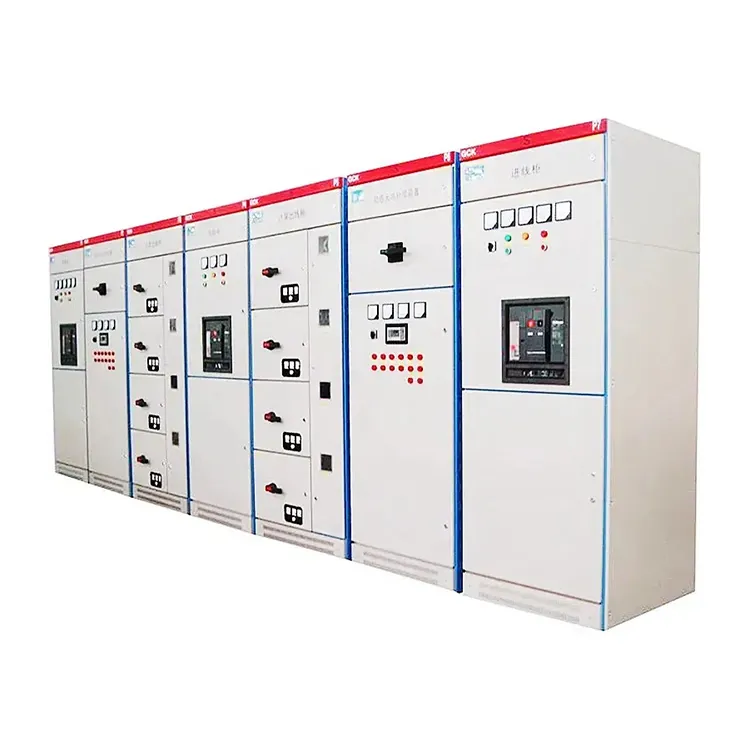
Sinds 2001 is Shenheng Power een vertrouwde fabrikant van apparatuur voor krachtoverbrengst en -distributie en levert wereldwijd betrouwbare elektrische oplossingen.
Ondersteund door een volledig aankoopachterdrachtsysteem, bieden wij deskundig technisch advies, productbegeleiding en flexibele OEM- en ODM-diensten voor uw projecten.
Sinds 2001 is Shenheng Power een vertrouwde fabrikant van apparatuur voor krachtoverbrengst en -distributie en levert wereldwijd betrouwbare elektrische oplossingen.
Hoe integreer je een ATS in een laagspanningsverdeler
Releasedatum: 2026-08-01
Buyers evaluating an lv distribution cabinet with automatic transfer switch (ATS) scope need a practical way to align transfer scheme, both-source ratings, interlocks, and documentation before panel fabrication.
This guide summarizes decision steps used by EPC teams and facility engineers when they integrate ATS functions into low-voltage distribution assemblies. Use it as a procurement checklist—not as a substitute for project-specific engineering approval.
Deel 1. Waarom dit onderwerp belangrijk is bij MS-LS-projecten
Transfer projects fail quietly when procurement teams treat an ATS as a bolt-on accessory instead of a cabinet-level design input. Source changeover affects incomer sizing, busbar bracing, control power, cable entry, and operator access.
For an lv distribution cabinet, the purchase order should reference measurable parameters—rated voltage, rated current for each source, short-time withstand, transfer mode, interlock philosophy, and required tests—rather than marketing adjectives alone.
Vergrendel deze invoerwaarden voordat u de biedingen normaliseert:
Invoer
Waarom het ertoe doet
Typische bron
Nominale spanning en isolatieniveau
Equipment class and clearances
Eendraadsdiagram
Source A / Source B rated current
Incomer and ATS thermal design
Load / generator study
Kortsluitvastheid
Ontwerp van rails en versteviging
Foutenanalyse
Open vs closed transition
Contactor/breaker arrangement and interlocking
Operations requirement
Neutral and grounding scheme
Transfer and earthing coordination
Utility / plant standard
Ambient, altitude, IP / enclosure
Derating and indoor/outdoor suitability
Locatiegegevensblad
Request factory test reports, GA drawings, and control schematics early so civil, protection, and commissioning teams can work in parallel. For broader panel language, see the LT-paneelspecificatiegids voor 0,4kV-projecten.
Deel 3. Toepassing en operationele grenzen
Operating context changes acceptable solutions. Critical facilities may require automatic transfer with defined sensing delays, while maintenance-driven sites may accept manual or semi-automatic changeover with clearer operator procedures.
Generator, utility, and UPS topologies are not interchangeable. Record whether the second source is a standby generator, dual utility feed, or temporary mobile set, and whether paralleling is prohibited.
Altitude, average ambient temperature, and dust or corrosive atmospheres influence derating and enclosure selection. State elevation, ventilation, and maintenance access in every RFQ.
Upstream MV arrangements also matter when the LV cabinet sits downstream of a transformer or MV switchgear lineup; see Medium Voltage Switchgear Explained for boundary language.
Deel 4. Documentatie- en offerteaanvraagchecklist
Document / item
Doel
Wanneer aanvragen
Type- of routinetestrapport
Verify ratings and withstand
Vóór inkooporder
GA drawing and foundation / plinth load
Civiel technisch en hijskraanontwerp
Ontwerpfase
Single-line and control schematic
Transfer sequence and interlocks
Before fabrication release
ATS sensing / time-delay settings sheet
Commissioning baseline
Voor verzending
Bedienings- en onderhoudshandleiding
Locatietraining
Overdracht
Onderdelenlijst
Contactors, coils, indicators, sensors
Contractonderhandeling
Attach this table to RFQs so vendors return comparable technical packages for the lv distribution cabinet and ATS scope.
Deel 5. Installatie-, test- of onderhoudsnotities
Installation quality often determines transfer reliability more than small differences in quoted first cost. Confirm grounding, cable bending radius, torque values, phase sequence, and nameplate data against the approved design.
Before energization, plan insulation resistance checks, functional transfer tests under controlled conditions, interlock verification, and protection setting confirmation for both sources.
Maintenance access should be designed into the layout: clear door swing, ATS mechanism access, and space to isolate one source without unsafe exposure of the other.
Deel 6. Productaanbeveling en Geschiktheidsgrens
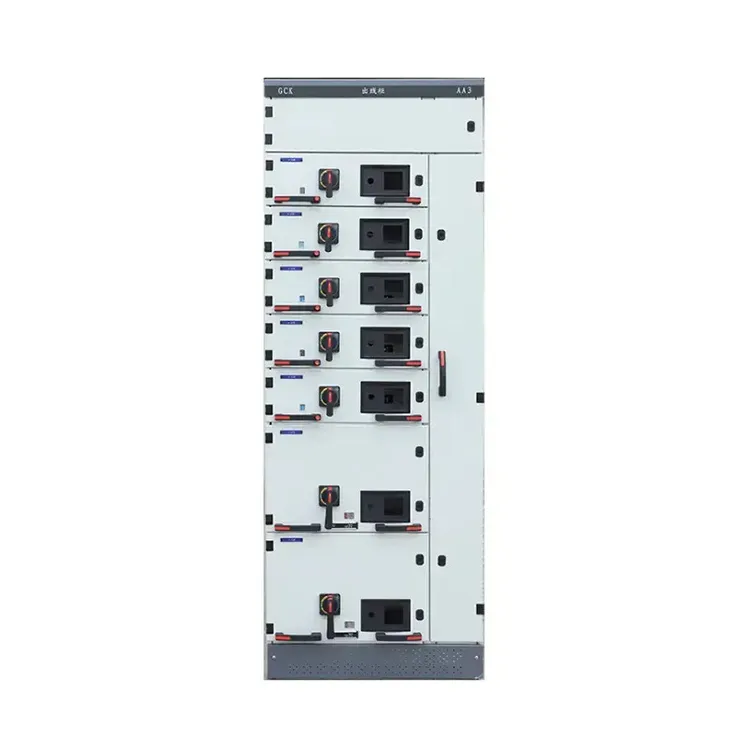
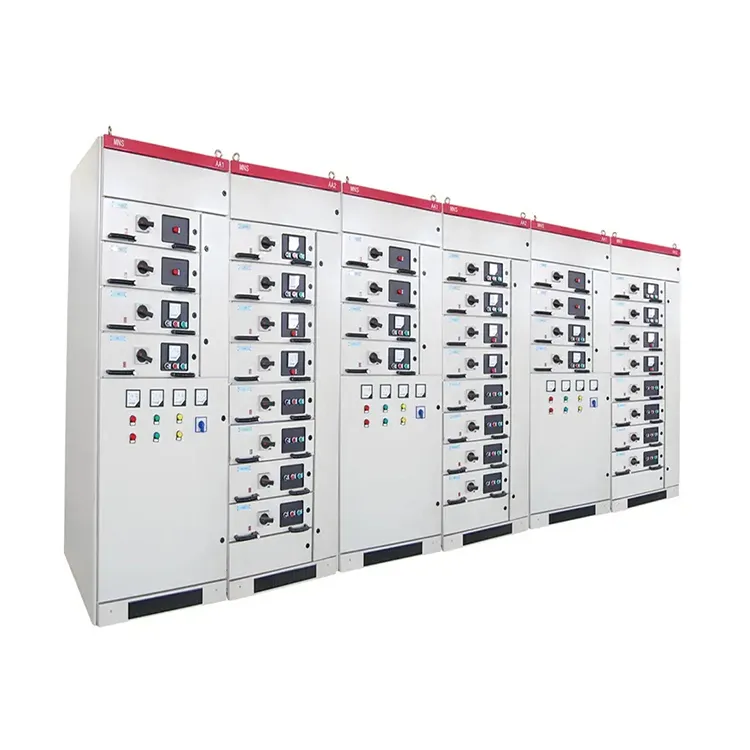
For many lv distribution cabinet applications that need a metal-enclosed assembly starting point, Shenheng Power publishes a relevant catalog entry at 0,4 kV laagspanningsverdelingskast.
Pasgrens: This recommendation supports typical industrial and distribution scopes documented on the product page. It is niet a substitute for project-specific studies when unusual fault levels, closed-transition requirements, altitude extremes, or national utility rules apply.
Comparing quotations without the same transfer mode, sensing inputs, and both-source ratings.
Omitting neutral, grounding, or interlock requirements from the RFQ.
Selecting equipment solely on first cost while ignoring cable entry and maintenance access for the ATS section.
Energizing before transfer sequence and protection settings are reconciled with the approved design.
Copying generic marketing claims into utility or facility submissions without supporting drawings.
Veelgestelde vragen
What ATS data should buyers lock before panel fabrication?
Confirm transfer mode, Source A/Source B ratings, sensing inputs, time delays, neutral handling, and interlock philosophy on the approved single-line diagram.
How does open vs closed transition change cabinet layout?
Closed transition usually needs tighter interlocking, different device coordination, and clearer utility permission language; open transition is simpler but creates a brief supply break that operations must accept.
What interlocks belong on the approved single-line diagram?
At minimum, document mechanical/electrical interlocking that prevents paralleling when it is prohibited, plus any key-interlock or door-interlock requirements for maintenance.
How should incomer and busbar ratings cover both sources?
Size and brace the assembly for the higher continuous and short-circuit duties that either source can impose under the approved study, not only for the preferred source.
What documents should accompany an ATS-integrated LV cabinet RFQ?
Request test reports, GA drawings, single-line and control schematics, setting sheets, manuals, and spare parts lists aligned to the purchase order revision.
When should facility and utility teams review transfer sequence together?
Before locking sensing points, transfer timers, and any paralleling or closed-transition permissions that affect interconnection or facility operating procedures.
Shenheng Electric Power streeft ernaar om een wereldwijde leider te worden in oplossingen voor elektrische apparatuur en helpt klanten om een veilig, efficiënt en duurzaam energiebeheer te realiseren.

 Shenheng Power Equipment Co., Ltd.