Sejak 2001, Shenheng Power telah menjadi pengeluar peralatan penghantaran dan pengagihan kuasa yang bertauliah, menyampaikan penyelesaian elektrik yang boleh dipercayai di peringkat global.
Disokong oleh sistem selepas jualan yang lengkap, kami menyediakan perundingan teknikal pakar, panduan produk dan perkhidmatan OEM & ODM yang fleksibel untuk projek anda.
Sejak 2001, Shenheng Power telah menjadi pengeluar peralatan penghantaran dan pengagihan kuasa yang bertauliah, menyampaikan penyelesaian elektrik yang boleh dipercayai di peringkat global.
Compact Substation Enclosure Corrosion: Assess the Repair Before Repainting
Release Time: 2026-11-20
Compact substation enclosure corrosion repair assessment should establish whether deterioration affects only the coating or also the metal, joints and protective functions of the enclosure. Painting over a visible rusty area does not demonstrate that the defect is resolved. Record the location, extent and surrounding conditions, then obtain an approved repair scope for the actual enclosure construction. Escalate deformation, perforation, impaired doors or uncertain structural condition before specifying cosmetic treatment. This guide helps owners and maintenance planners define evidence and purchasing requirements; it does not authorize live equipment access, abrasive preparation, structural work or a generic paint system.
Define the enclosure and the damaged area
Identify the supplied substation, serial number, enclosure material and original finish where documented. Do not infer steel grade, corrosion category or coating thickness from a product photograph. An enclosure can contain different materials, fasteners and interfaces, so the repair specification should identify the particular surface and assembly concerned.
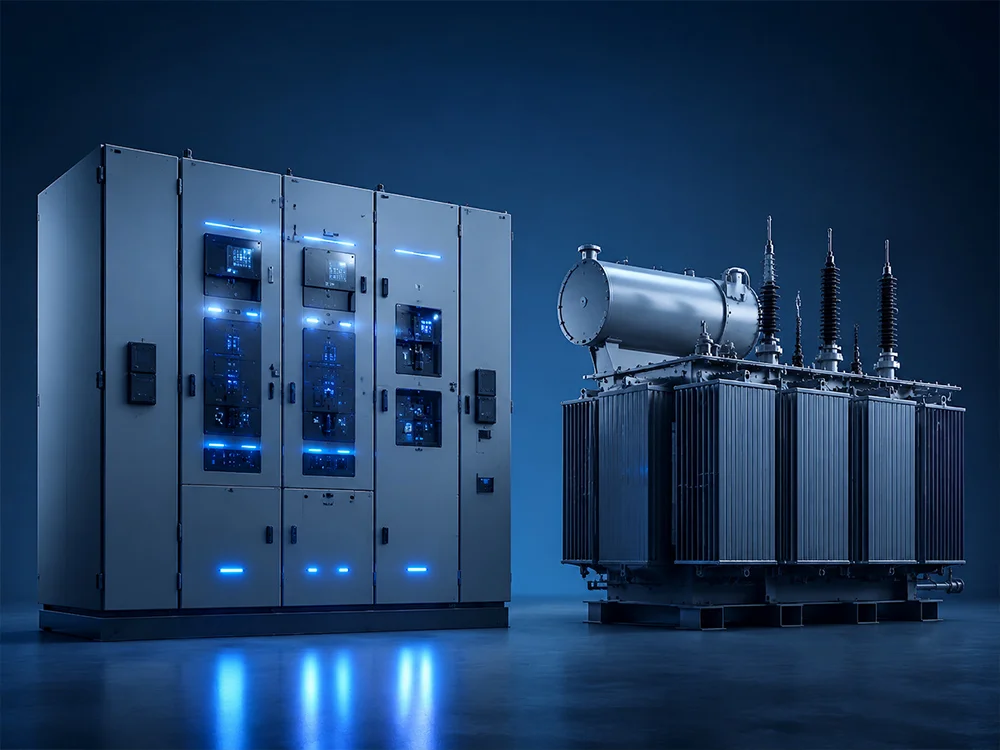
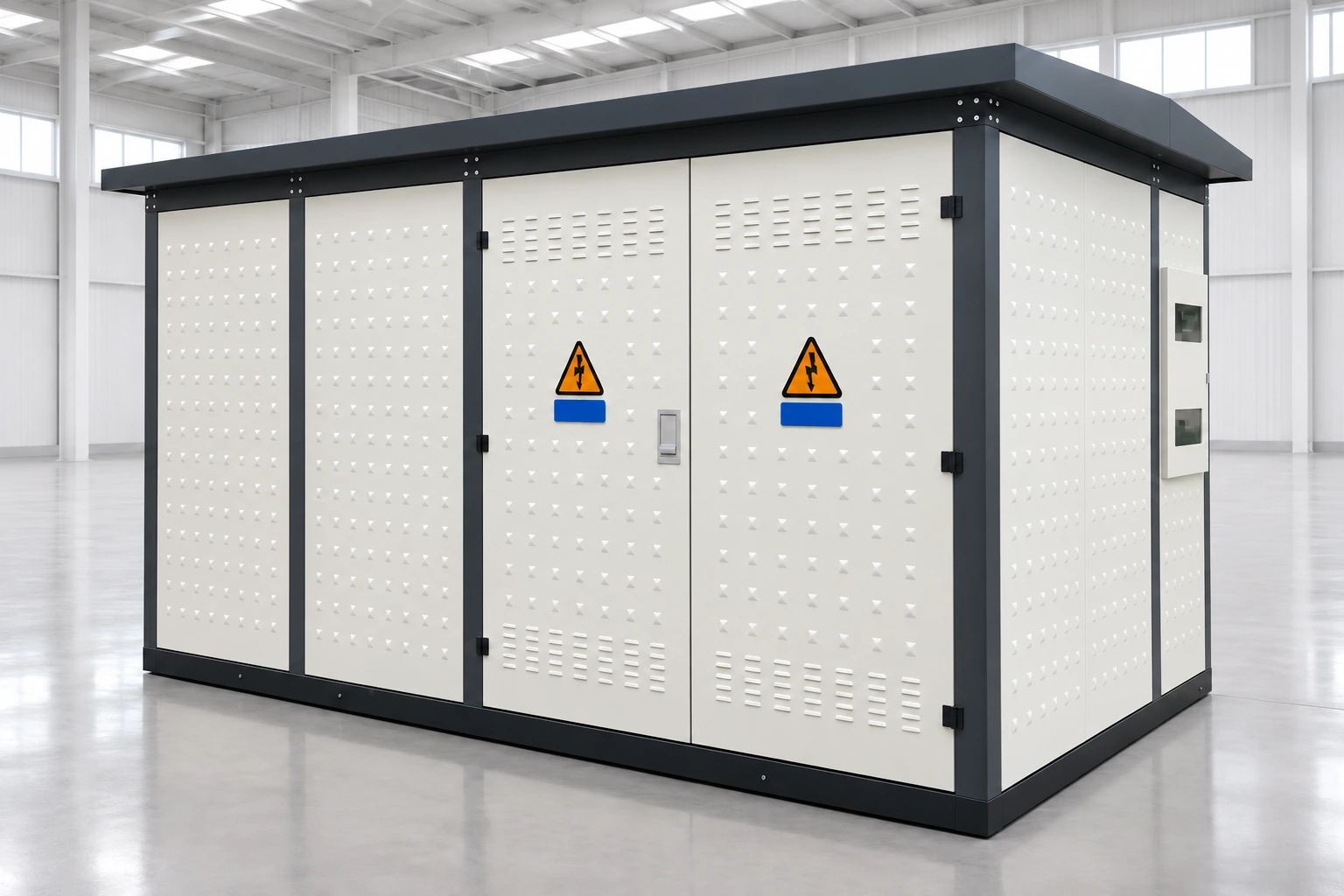
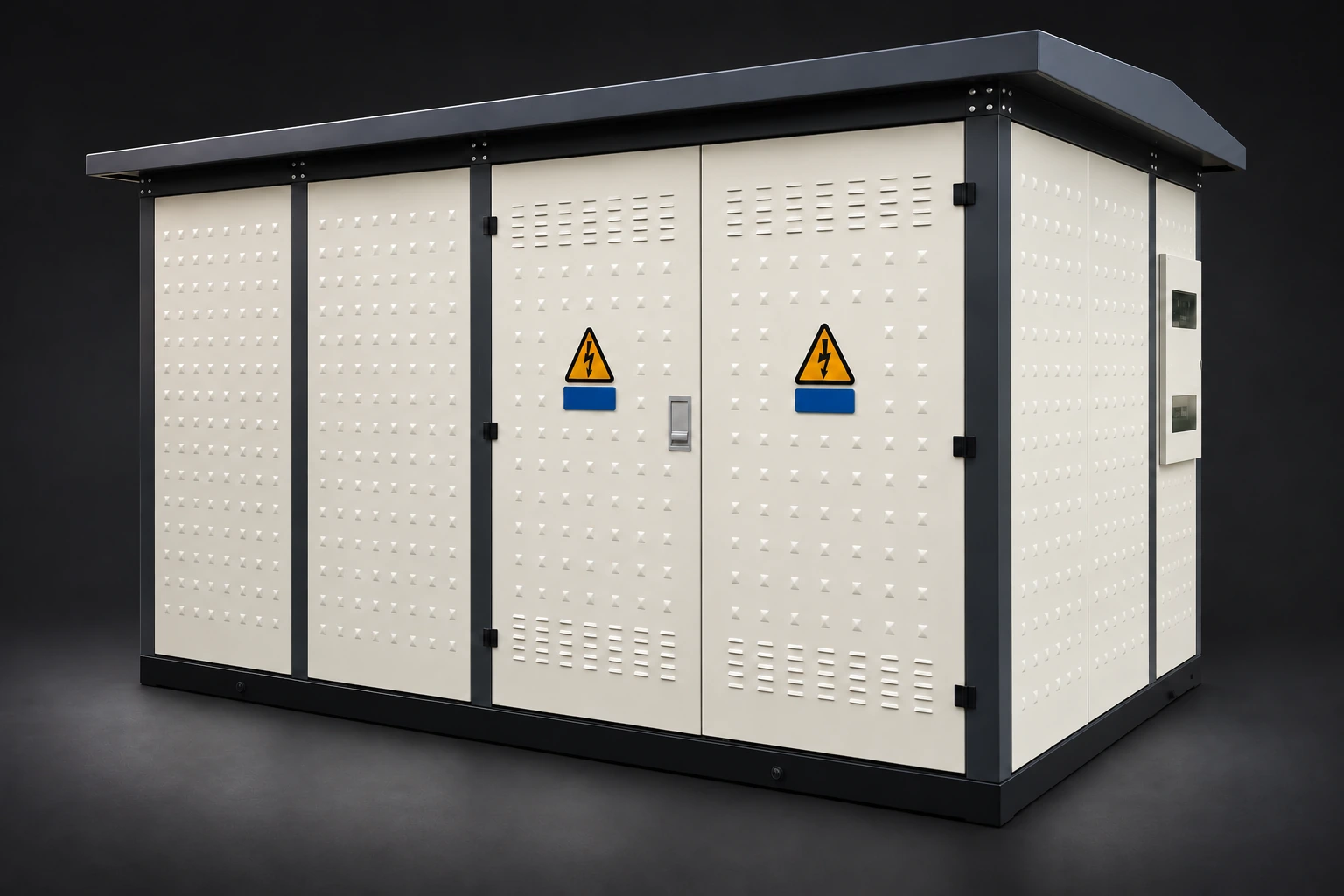
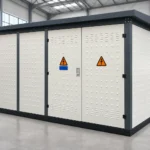
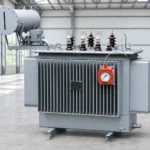
The Penstesen luar kompak Shenheng is the product reference for this article’s overall equipment illustrations. The pictures show its closed enclosure, roof, doors and ventilation features in clean reference condition. They do not show a corrosion defect, a coating inspection or a completed repair. A real assessment needs photographs and documentation for the installed asset.
Gunakan compact substation layout checklist for the broader arrangement and access context. This article focuses on deterioration of an existing enclosure and the evidence needed before approving treatment. It does not select the complete substation, redesign ventilation or establish a site-specific corrosion classification.
Ilustrasi rujukan produk berdasarkan imej produk Shenheng; bukan rekod sebenar penyelenggaraan, ujian atau tapak pelanggan.
Document the condition before surface preparation
Create a location record that another inspector can follow. Identify roof edges, panel edges, door returns, joints, base interfaces and other affected locations individually. Pair an overall photograph with detail images from authorized positions. Include dates and a location reference so later observations can distinguish recurring deterioration from an area that was never treated.
Describe what is visible without deciding the repair prematurely. Record coating loss, staining, blistering, exposed metal, visible corrosion products, deformation or an opening where present. A photograph cannot determine the remaining metal thickness or the condition behind a joint. Note any inaccessible areas and identify the additional investigation required.
Check whether the concern appeared after transport damage, nearby construction, repeated wetting or previous repair. Keep these as history and possible contributors rather than proven causes. A claim that “salt caused the corrosion” needs evidence beyond the site’s distance from the coast. The repair reviewer should know which facts are confirmed and which explanations remain hypotheses.
Separate coating condition from metal condition
A localized scratch with surrounding sound material is a different repair question from widespread deterioration around a seam. Ask the competent assessor to identify whether the original substrate and joint remain suitable for the proposed treatment. The visible size of a rusty patch alone cannot define how much material must be prepared or replaced.
Where remaining metal condition is uncertain, agree on the examination needed before awarding a coating-only scope. The assessment might require specialist investigation, access under an outage or manufacturer review. This guide gives no universal remaining-thickness threshold. A contractor’s willingness to paint the area does not establish that the enclosure is fit for continued use.
Keep structural or panel replacement decisions separate from paint selection. Perforation, loss of fastening integrity or distortion may require a different repair route. If a replacement panel is proposed, review its interfaces and protective functions as an equipment modification. Matching the visible color is insufficient evidence of equivalence.
Check the functions around the damaged surface
An enclosure provides more than appearance. Review the affected area’s relationship to access control, weather protection, ventilation and the equipment’s protective arrangements. An apparently small repair can interfere with a door, obscure a sign or block a drainage route. The assessor should identify these interfaces before the repair method is selected.
Where corrosion is associated with water accumulation or repeated wetting, refer to the roof drainage and water-ingress review. Coating repair does not resolve an uncorrected water path. If door contact surfaces or sealing areas are affected, coordinate with the door gasket compatibility review rather than coating over a damaged sealing interface.
Ventilation openings also need a defined boundary. The ventilation grille replacement review covers a different component decision. A coating contractor should not fill openings, change screens or alter the opening pattern as an informal corrosion fix. Maintain the approved equipment arrangement and escalate any proposed change through the owner’s review process.
Build a repair decision table
The following table helps divide work packages and evidence requirements. It is a qualitative assessment framework, not a coating specification or permission to perform preparation near electrical equipment.
Finding
Bukti yang diperlukan
Scope question
Local coating damage
Location, original finish and surrounding condition
Is an approved localized repair appropriate?
Recurring blistering or staining
Previous repairs, moisture history and substrate assessment
Is the cause unresolved beneath the finish?
Corrosion at a joint
Joint construction, access and condition of retained parts
Can coating work address the complete affected interface?
Door or latch interference
Function record and dimensional assessment
Is mechanical repair required before refinishing?
Perforation or uncertain metal condition
Specialist examination and manufacturer disposition
Is a coating-only proposal inappropriate?
cURL Too many subrequests by single Worker invocation. To configure this limit, refer to https://developers.cloudflare.com/workers/wrangler/configuration/#limits
cURL Too many subrequests by single Worker invocation. To configure this limit, refer to https://developers.cloudflare.com/workers/wrangler/configuration/#limits
cURL Too many subrequests by single Worker invocation. To configure this limit, refer to https://developers.cloudflare.com/workers/wrangler/configuration/#limits
cURL Too many subrequests by single Worker invocation. To configure this limit, refer to https://developers.cloudflare.com/workers/wrangler/configuration/#limits
cURL Too many subrequests by single Worker invocation. To configure this limit, refer to https://developers.cloudflare.com/workers/wrangler/configuration/#limits
cURL Too many subrequests by single Worker invocation. To configure this limit, refer to https://developers.cloudflare.com/workers/wrangler/configuration/#limits
cURL Too many subrequests by single Worker invocation. To configure this limit, refer to https://developers.cloudflare.com/workers/wrangler/configuration/#limits
cURL Too many subrequests by single Worker invocation. To configure this limit, refer to https://developers.cloudflare.com/workers/wrangler/configuration/#limits.
cURL Too many subrequests by single Worker invocation. To configure this limit, refer to https://developers.cloudflare.com/workers/wrangler/configuration/#limits.
Define excluded activities clearly. Electrical work, removal of panels, structural repairs, gasket replacement and alterations to earthing or bonding arrangements may require separate approval. If the repair exposes an unexpected condition, require a stop and review at that location. A fixed-price quotation should not encourage covering an unassessed defect.
Ilustrasi rujukan produk berdasarkan imej produk Shenheng; bukan rekod sebenar penyelenggaraan, ujian atau tapak pelanggan.
Plan the work around electrical and site hazards
The Health and Safety Executive explains planning and competence requirements in work on electrical equipment. Surface preparation can introduce dust, debris, tools and liquids around electrical equipment. The responsible electrical authority must determine access, isolation and protection arrangements appropriate to the task; an external-looking repair is not automatically safe to perform on operating equipment.
HSE’s separate guidance on maintenance of work equipment addresses planning, safe isolation and suitable working areas. Apply those principles through a site-specific work package. Consider how surrounding people, weather and temporary work boundaries affect the approved task, and identify who controls changes to those arrangements.
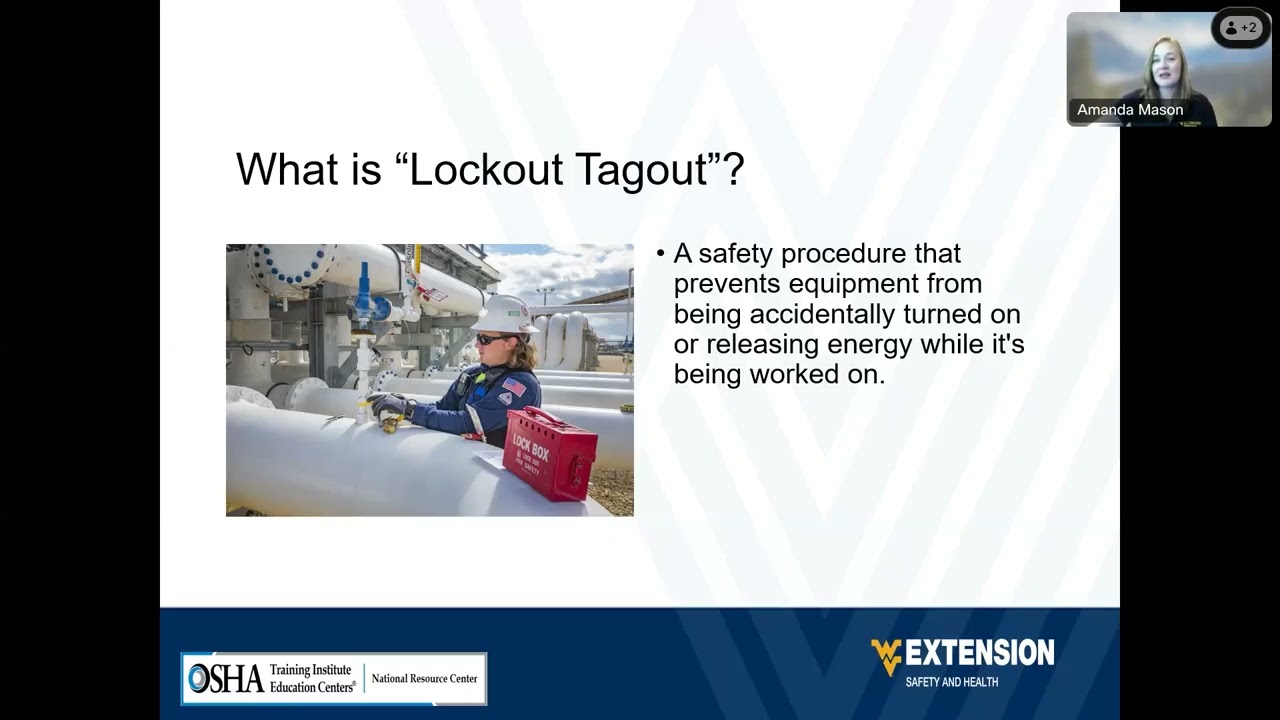
The government video below provides background on controlled energy isolation. It does not demonstrate compact-substation painting, establish safe electrical approach distances or authorize a preparation method.
Pembelajaran lanjut: Berdiri Teguh Untuk Keselamatan dan Kesihatan – Lockout tagout — Jabatan Tenaga Kerja Malaysia. Boleh ditonton di YouTube.
Define how the work area will be protected from preparation residue and coating contamination. The approved plan should identify what can be opened, what remains protected and who verifies the condition before return to service. Do not assume that closing a door after painting demonstrates that the inside equipment was unaffected.
Compare repair quotations on a common scope
A useful request for quotation includes the asset identity, location map, accessible condition evidence, approved system, work boundary and inspection requirements. Ask bidders to state access assumptions and excluded repairs. A price for touching up visible scratches should not be compared directly with a proposal that includes substrate investigation and joint repair.
Consider a planning example. Two offers promise the same final color. One defines affected locations, preparation limits, material approval and inspection records. The other promises a “complete repaint” without addressing door interfaces or areas hidden behind joints. The second offer needs clarification before its lower price can be interpreted as better value.
Agree in advance how newly exposed defects will be handled. Identify who evaluates them, what evidence is required and how additional scope is approved. This makes the decision traceable and prevents the repair team from improvising a structural or electrical modification to keep a painting schedule on time.
Accept the repair against evidence and function
Record the actual materials, locations, approved application conditions and inspections required by the repair specification. Where the specification requires measurements, use the approved method and acceptance limits. This article does not supply a universal film thickness, curing period or test standard because the appropriate system has not been established for the installed enclosure.
Verify that affected doors, seals, ventilation openings, drainage paths and identification remain consistent with the approved design. Document any functions excluded from the repair assessment. Before-and-after photographs can show the treated locations, but they cannot by themselves prove adhesion, hidden substrate condition or restored electrical suitability.
Close the original concern with a clear disposition: approved localized repair accepted, further assessment required or replacement under review. Preserve unresolved items and the next inspection basis. Follow-up timing should reflect the actual environment, observed deterioration and manufacturer guidance. The lasting result is a repair record that connects the defect, approved treatment and continuing equipment function.
Soalan Lazim
Is repainting enough to resolve enclosure corrosion?
Only where the assessment confirms that the approved coating repair addresses the actual defect. Damaged metal, joints or protective functions may require additional investigation or a different repair scope.
Can a photograph establish the remaining metal thickness?
No. Photographs document visible condition and location. A competent assessor must determine whether additional examination is required and define the applicable acceptance basis.
Should ventilation openings be sealed to prevent corrosion?
Do not change the approved opening arrangement as an informal repair. Investigate the exposure and use manufacturer-approved measures that preserve the required equipment functions.
What should an owner keep after the repair?
Retain the original condition record, approved scope and materials, work and inspection records, deviations, function checks and follow-up plan. A final color photograph alone is insufficient.
Shenheng Electric Power komited untuk menjadi peneraju global dalam penyelesaian peralatan kuasa, membantu pelanggan mencapai pengurusan kuasa yang selamat, cekap dan mampan.

 Shenheng Power Equipment Co., Ltd.