Dal 2001, Shenheng Power è un produttore affidabile di apparecchiature per la trasmissione e la distribuzione di energia, che fornisce soluzioni elettriche affidabili a livello globale.
Supportati da un completo sistema post-vendita, offriamo consulenza tecnica esperta, guida sui prodotti e servizi flessibili OEM e ODM per i vostri progetti.
Dal 2001, Shenheng Power è un produttore affidabile di apparecchiature per la trasmissione e la distribuzione di energia, che fornisce soluzioni elettriche affidabili a livello globale.
Transformer Oil Particle Count Test: Cleanliness Reports and Sampling
Release Time: 2026-10-25
A transformer oil particle count test measures the number and size distribution of particles in an insulating-liquid specimen using a stated method. It helps assess cleanliness and investigate contamination, but it does not identify every particle or establish the transformer’s overall condition. To interpret a result, check the sampling location, specimen handling, measurement method, size thresholds, units and comparison basis. A cleanliness code alone is insufficient when those details are missing. Use the report with appropriate oil-condition and equipment evidence before deciding whether resampling, further analysis or a treatment review is justified.
What particle counting adds to an oil assessment
Particles can enter oil through handling, maintenance and exposure, or arise from materials within a system. Finding particles therefore prompts a question about origin and significance. The count is a measurement of the submitted specimen, not an automatic diagnosis of the source. A high result cannot by itself distinguish contamination introduced during sampling from material circulating in the equipment.
Per un trasformatore di potenza in bagno d'olio, useful applications include establishing a documented cleanliness baseline and comparing comparable specimens before and after a controlled maintenance activity. Define that purpose before collecting the sample. A meaningful comparison requires more than two numbers produced on different dates.
Visual clarity is a separate observation. Oil can appear clear while a particle counter reports material below the size easily seen by eye. Conversely, visible cloudiness should prompt discussion with the laboratory about specimen suitability and possible interference. Do not convert an informal visual judgement into a quantitative particle result.
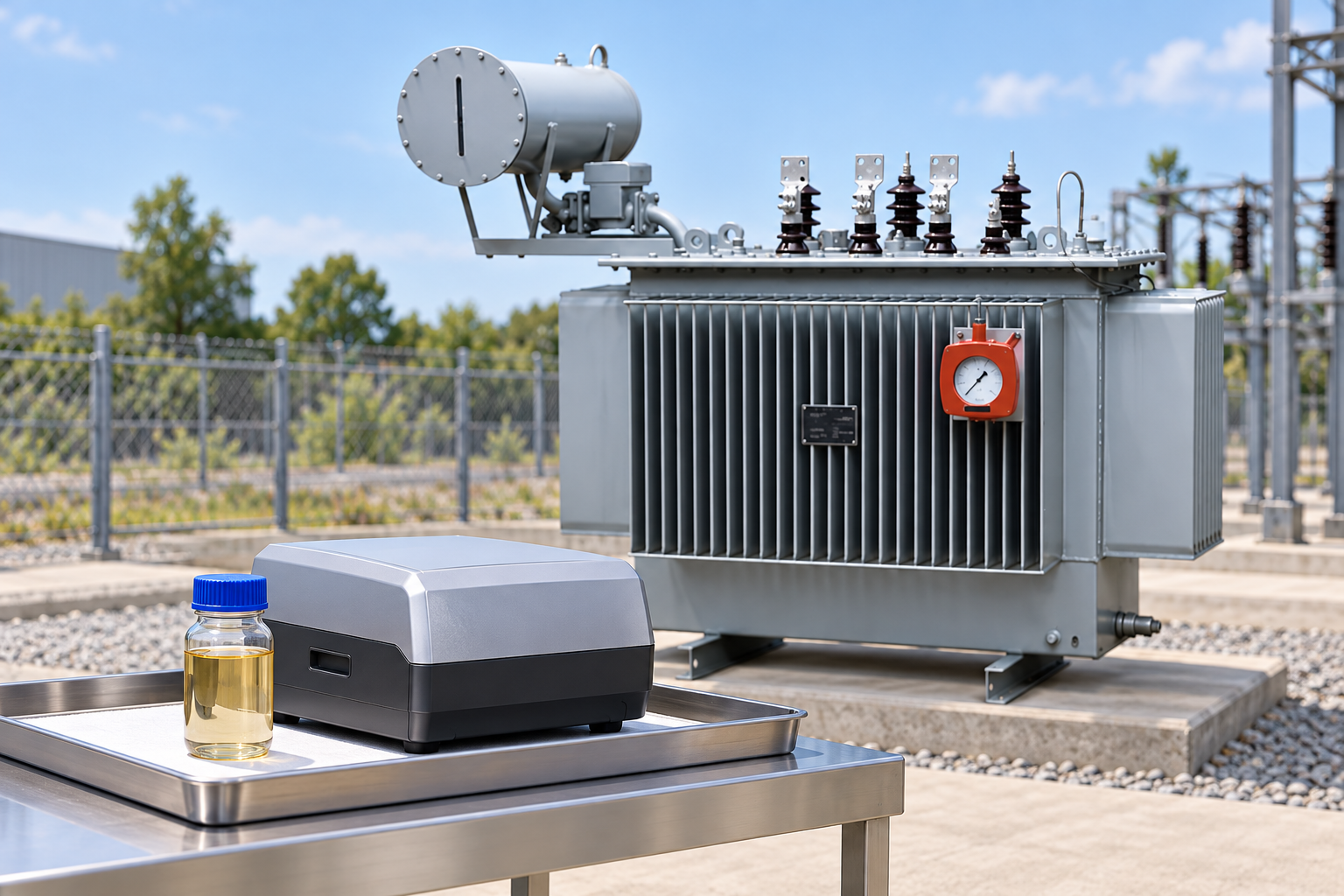
Conceptual illustration of controlled specimen handling; no measurement result or standard apparatus is depicted.
Identify the method before reading a cleanliness code
ASTM D6786 addresses particle counting in mineral insulating oil with automatic optical counters. The method name, edition and laboratory scope should appear in the enquiry or report. Do not assume that a method used for a different fluid is automatically suitable for the insulating liquid under investigation.
IEC 60970 covers methods for counting and sizing particles in insulating liquids. Its public description distinguishes an automated light-interruption approach from optical microscopy of particles on a membrane. These measurement approaches should be identified clearly when reports are compared. The standard itself and laboratory instructions control implementation.
A code compresses measurements into a convenient format. That convenience can hide differences in size thresholds, calibration or reporting convention. Keep the underlying counts and full method information whenever available. If an older report contains only a code, ask the laboratory whether a defensible comparison is possible rather than inventing the missing detail.
Protect the specimen from avoidable contamination
Particle counting places particular importance on container cleanliness and sampling discipline. Ask the laboratory to provide suitable containers and instructions. An ordinary bottle that looks clean is not necessarily suitable for measuring small quantities of particulate contamination. Record whether the supplied container and closure were used as instructed.
Connect the specimen identifier to the asset, oil compartment and collection point. Keep the main tank separate from other oil compartments. Note recent filling, filtration, repairs and other relevant work. These facts help explain what a sample can represent and which previous record is appropriate for comparison.
Il guida al campionamento dell'olio provides broader context for representative sampling. For a particle-counting enquiry, follow the receiving laboratory’s specific requirements. Sampling around electrical equipment must remain within the owner’s authorised procedures and the competence of the personnel doing the work.
Do not open a bottle repeatedly to inspect it, transfer the specimen between improvised containers or combine separate specimens merely to save analysis cost. Agree any unusual handling with the laboratory first. When a suspected collection problem occurs, record it; a transparent qualification is more useful than an unexplained outlier.
A practical sequence for reading the report
Verifica
What to confirm
Accioni utili da intraprendere in seguito
Identity
Asset, compartment and collection point match the request.
Resolve uncertain identifiers before trending the result.
Measurement
Method, calibration basis and reported size thresholds are stated.
Request the full analytical detail when only a code is supplied.
Unità
Counts refer to a stated volume and size convention.
Compare on the same basis without silently changing thresholds.
Specimen suitability
Laboratory qualifications and possible interferences are recorded.
Discuss the qualification before using the result for acceptance.
Comparison
Previous specimens and operating context are comparable.
Document differences and decide whether resampling is needed.
This table is a review workflow, not an acceptance-limit table. Cleanliness requirements depend on the equipment, fluid, maintenance objective and applicable specification. A generic code found online should not become the rejection criterion for a transformer without checking its relevance with the responsible engineer.
Also distinguish cumulative counts from counts within separate size bands. A cumulative result for particles above one threshold includes particles above larger thresholds; it should not be added to another cumulative figure as if they were separate populations. When the report format is unclear, ask the laboratory to explain it before calculating changes.
Investigate an unexpected count in stages
First verify the record. Check for a transposed asset number, a different compartment or an unusual sampling event. Then review container and handling information. This is not a reason to dismiss an inconvenient result; it is the foundation for deciding what the result actually represents.
Next, ask the laboratory about the specimen’s suitability for the method and any interference it observed. An optical count is not a chemical identification. Air bubbles, droplets or other specimen characteristics may require the laboratory’s assessment under its method. Do not independently modify a specimen to force a preferred reading.
If the result remains credible, consider whether additional investigation could help establish particle type or source. Microscopic examination or another appropriate technique may provide information that a count alone does not supply. Agree the next test with the laboratory and equipment specialist, guided by the actual problem rather than a fixed checklist.
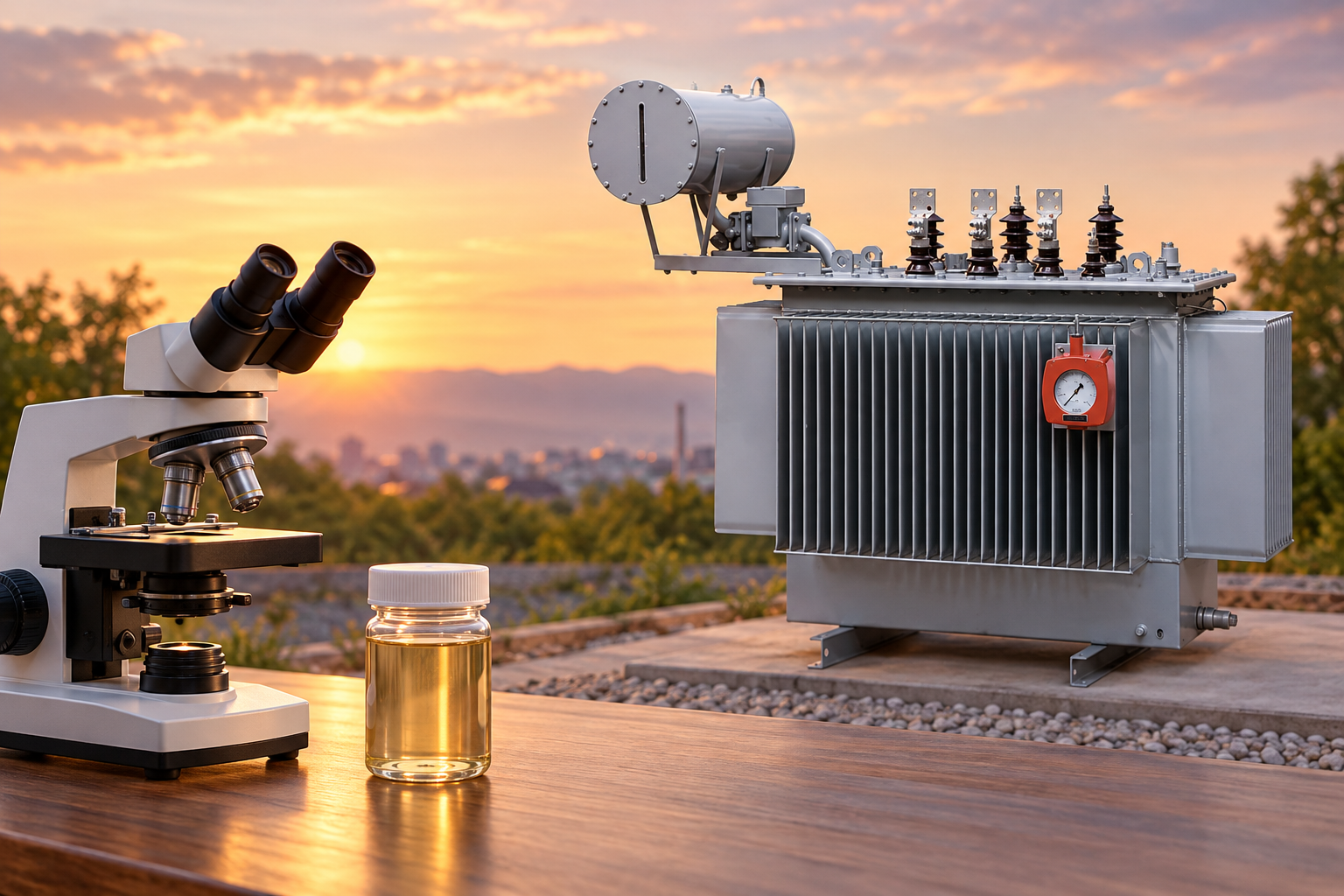
Microscopy can address a different question from a numerical count; technique and scope must be agreed with the laboratory.
Use complementary tests without merging their meanings
Il oil dielectric breakdown test evaluates electrical behaviour under its stated test conditions. It does not directly replace particle counting. Similarly, a count cannot predict a specific breakdown result or prove that the complete transformer is ready to energise.
A moisture-content measurement addresses another property. A report of particulate contamination should not be described as a water measurement. Keep the methods, units and interpretation separate even when several specimens were collected during the same maintenance visit.
The wider procurement and maintenance framework in the oil transformer buying guide helps organise these records. An owner should be able to see which question each report answers, which requirement applies and who approved the resulting action. A pile of test certificates without this connection is difficult to use.
Verify a treatment objective with comparable records
If filtration is proposed, define the objective and verification plan before the work. Record the treated system, equipment condition, fluid handling and planned sampling points. Treatment should follow the equipment owner’s approved plan and qualified service guidance; a particle-count article is not an operating instruction for connecting filtration equipment.
A lower count after treatment supports a limited conclusion about the tested specimens when the comparison is valid. It does not prove that every compartment has the same condition or that all contamination sources have been removed. Keep that boundary explicit in the maintenance report.
Agree what happens if the result does not improve as expected. Options may include checking the comparability of specimens, reviewing the treatment record or commissioning further investigation. Avoid repeating treatment solely to obtain a smaller number without understanding why the earlier evidence differed.
What to include in the laboratory request
Provide fluid identity, equipment type, compartment, relevant maintenance history and the reason for testing. Ask for the method, size thresholds, reporting units, underlying counts and qualifications to be included in the final report. State any project cleanliness requirement and ask the laboratory to confirm whether its method supports the proposed comparison.
For a recurring programme, use a consistent specimen register. Include report references and note changes in laboratory, method or sampling point. These changes do not necessarily invalidate the data, but they can affect a trend and should remain visible to the person making the engineering decision.
Further learning: particle-size measurement
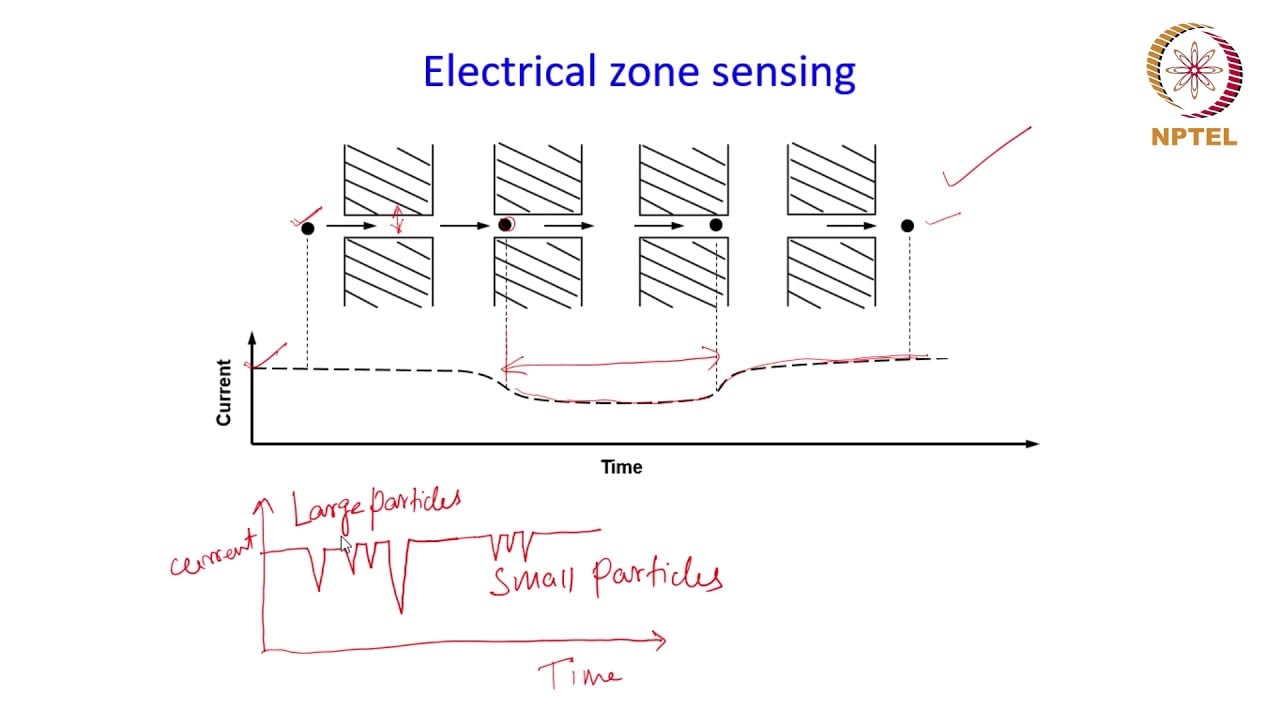
The NPTEL-NOC IITM lecture below introduces particle-size measurement methods. It provides general measurement background and is not an ASTM D6786 or IEC 60970 transformer-oil demonstration, calibration instruction or source of equipment acceptance limits.
Does a particle count identify what the particles are made of?
No. A numerical count and size distribution do not establish chemical composition. Additional analysis may be needed when particle identity matters.
Can two cleanliness codes always be compared directly?
No. Confirm the method, size thresholds, units, calibration basis and specimen context before comparing the records.
Does clear oil prove a low particle count?
No. Visual clarity does not replace a documented quantitative measurement. Some measured particles are too small to assess reliably by eye.
Does a lower count prove the whole transformer is healthy?
No. It supports a limited conclusion about comparable tested specimens. The transformer requires the other relevant condition and engineering assessments.
Shenheng Electric Power si impegna a diventare un leader globale nelle soluzioni di apparecchiature elettriche, aiutando i clienti a ottenere una gestione dell'energia sicura, efficiente e sostenibile.

 Shenheng Power Equipment Co., Ltd.