Sejak tahun 2001, Shenheng Power telah menjadi produsen peralatan transmisi dan distribusi daya yang tepercaya, yang menghadirkan solusi kelistrikan yang andal secara global.
Didukung oleh sistem purna jual yang lengkap, kami menyediakan konsultasi teknis ahli, panduan produk, serta layanan OEM & ODM yang fleksibel untuk proyek Anda.
Sejak tahun 2001, Shenheng Power telah menjadi produsen peralatan transmisi dan distribusi daya yang tepercaya, yang menghadirkan solusi kelistrikan yang andal secara global.
A transformer oil corrosive sulfur test investigates whether an insulating-liquid specimen can produce specified corrosive effects under the conditions of a stated laboratory method. It is different from measuring total sulfur, oil acidity or dielectric strength. For a useful interpretation, identify the method and edition, the specimen and equipment compartment, the reported classification and any qualifications. A result should support an engineering review rather than become a stand-alone prediction of failure. Confirm the implications with the laboratory and equipment specialist before choosing treatment, changing operating arrangements or accepting an oil supply.
Why the question concerns more than total sulfur
The presence of sulfur in a chemical analysis and a laboratory finding of corrosive behaviour answer different questions. A total-content value does not by itself describe how the sulfur-containing compounds will behave in a specific test or piece of equipment. Conversely, a corrosive-sulfur report should not be rewritten as a measurement of every sulfur compound present.
The important practical question is what the selected method establishes about the submitted oil. An owner may be investigating an uncertain fluid history, reviewing a supplier’s test certificate or checking a concern raised during a wider condition assessment. Write that question in the laboratory request so the proposed test matches the decision.
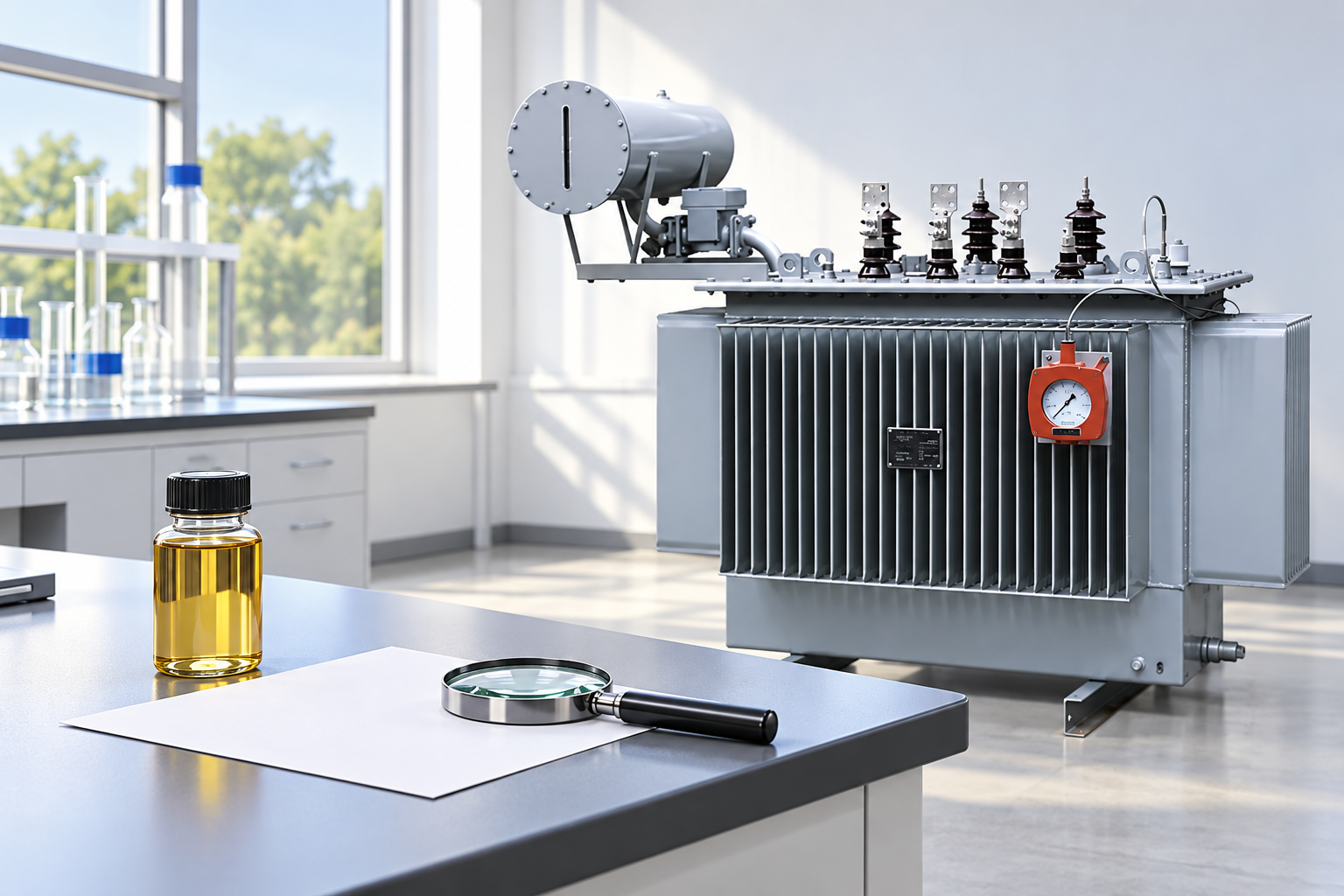
Untuk sebuah transformator daya rendaman minyak, the fluid report forms one part of the equipment record. It does not establish the condition of every winding or the suitability of a particular maintenance action. Keep the report connected to the actual asset and avoid extending it to other transformers merely because their oil looks similar.
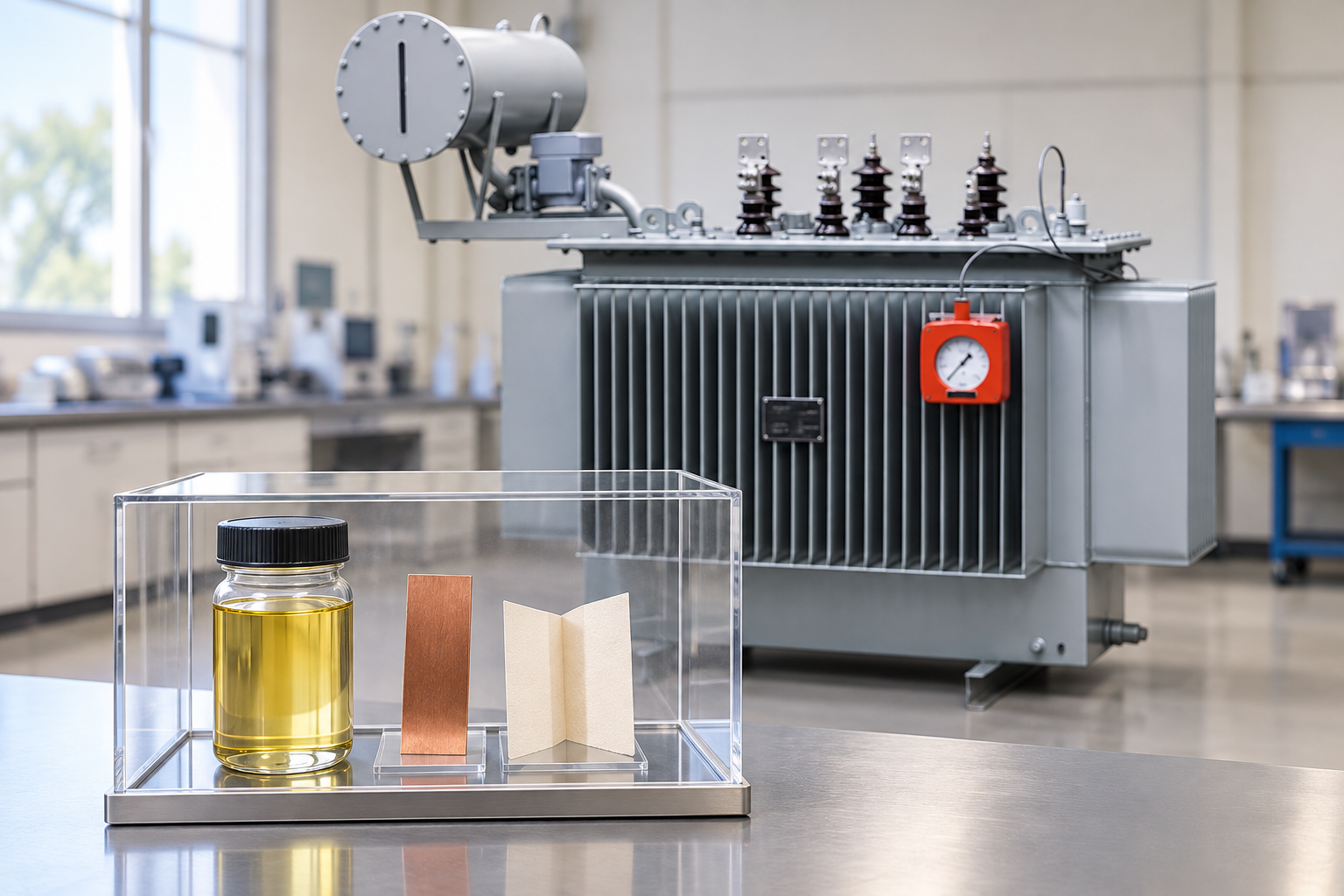
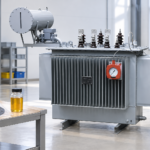
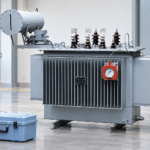
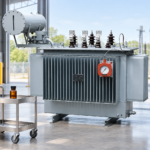
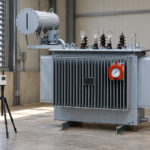
Conceptual materials illustration based on the site product; this is not a prescribed laboratory test arrangement.
Understand what the named test investigates
ASTM D1275 is a test method for corrosive sulfur in electrical insulating liquids. A report should identify the actual method or procedure used rather than simply saying “sulfur test.” The current applicable standard and the laboratory’s controlled procedure govern the work; a general article cannot supply those instructions.
IEC 62535 addresses potentially corrosive sulfur in used and unused mineral insulating oil. Its public scope describes an assessment involving copper and paper. This matters because the question includes effects associated with insulation materials, rather than only the appearance of bulk oil in a bottle.
The IEC public description also explains that tests involving bare copper and tests involving paper can be complementary and may yield different results. Therefore, do not automatically treat differently named methods as interchangeable certificates. Ask the laboratory to explain which question each method answers and how any differing results should be investigated.
Separate a method result from a failure prediction
A laboratory procedure exposes a specimen to defined conditions so that a specified response can be assessed. The result belongs to that procedure. It does not recreate every material, temperature, operating history and local condition inside a transformer. Avoid translating a classification into a promised remaining service life or a predicted failure date.
A concerning result warrants a documented review of the equipment and oil history. It does not by itself establish the extent or location of deposits in the transformer. Similarly, a favourable result does not certify every other fluid property or prove that the equipment has no existing insulation problem.
Where different test results appear inconsistent, preserve both reports. Check the sampling event, method, fluid type and laboratory qualifications before deciding what the difference means. Replacing the less convenient report with the preferred classification destroys useful evidence and can conceal a method or identity problem.
Collect a specimen that represents the intended oil
Begin by confirming the asset and compartment. Record whether the specimen comes from the main tank or another oil-containing compartment. Document known oil additions, transfers, replacements and treatment. An old certificate for the original fill may not represent the fluid currently present after years of maintenance.
Request containers and handling instructions from the receiving laboratory. Follow the owner’s authorised equipment-safety arrangements and use qualified personnel. The panduan pengambilan sampel oli provides general context, but it does not replace the laboratory’s method-specific collection requirements.
Maintain a direct link between the specimen label, collection record and laboratory request. If the oil identity or maintenance history is uncertain, state that uncertainty. Do not assign a confident fluid description from colour alone. The laboratory may need that information to judge whether the proposed method is appropriate.
Review these items before approving the report
Item
What the reviewer needs
Problem avoided
Asset and compartment
Traceable match to the intended specimen.
Applying a valid result to the wrong oil.
Test method
Exact designation, procedure and edition where applicable.
Treating complementary methods as identical.
Reported outcome
The laboratory’s classification and explanatory notes.
Replacing a bounded conclusion with an unsupported prediction.
Oil history
Known additions, treatment and transfers.
Assuming an old report describes the current fill.
Follow-up recommendation
Named responsible reviewer and defined next question.
Starting treatment without a clear objective.
This table contains review questions, not universal acceptance limits. The correct requirement depends on the equipment, fluid, procurement specification and applicable technical guidance. Ask the responsible engineer to identify that requirement explicitly, especially where a purchase contract calls for more than one test method.
Retain the complete report, including exceptions or comments. A shortened spreadsheet entry saying only “pass” can make later investigations harder. Record the report reference alongside the asset and date so that a future reviewer can retrieve the original evidence.
Use other oil tests to answer their own questions
Seorang Tes keasaman minyak measures a different property. Acidity should not be used as a substitute for a corrosive-sulfur assessment, nor should a sulfur classification be presented as evidence that oxidation has or has not occurred. The reports can contribute to a broader review without becoming equivalent.
Demikian pula, dissolved gas analysis addresses gas patterns associated with the equipment and its condition. A gas result does not establish the sulfur chemistry of the liquid. An engineer may need several different measurements, equipment history and other evidence to decide whether further investigation is justified.
The oil transformer buying guide helps organise procurement questions around the actual project. When reviewing a fluid certificate, check which asset or batch it describes and whether its test scope matches the contractual requirement. Do not infer an unreported certification or property from a supplier’s general product description.
Read the complete laboratory report together with the asset’s fluid history and relevant condition records.
Plan follow-up without prescribing an unsupported treatment
When a report raises concern, ask the laboratory to explain the result, method limitations and any need for confirmation. Then involve the equipment specialist in reviewing the oil history and asset condition. This sequence helps distinguish an analytical question from a maintenance decision.
Do not assume that ordinary filtration, an additive or an oil change is automatically the correct response. Proposed interventions can have different objectives and compatibility considerations. Require a documented plan that identifies what is being addressed, why the approach is suitable and which evidence will be used afterwards to assess the outcome.
Maintain separate records for before and after any authorised intervention. A changed laboratory result establishes the measured outcome for the tested specimens under their respective methods. It does not automatically demonstrate removal of every deposit or restoration of all internal insulation. The engineering report should state exactly what was verified.
Make the laboratory enquiry easy to answer
Include the fluid description, equipment type, compartment, relevant history and intended decision. Ask the laboratory to confirm the proposed method, specimen requirements, report format and how it handles an unexpected classification. If two methods are specified, request an explanation of their complementary roles before comparing the outcomes.
For a new purchase, agree documentation requirements early. The request should identify whether the report concerns a fluid batch or the installed equipment fill. For an in-service investigation, include previous reports where available and clearly mark any difference in sampling point or method.
Finally, identify who will review the report and close the action. A test programme is useful only when its result is connected to a decision, its limitations are understood and the supporting evidence remains accessible. Record unanswered questions instead of letting a test certificate create false certainty.
Further learning: placing oil analysis in a diagnostic programme
The CIGRE GCC lecture below discusses transformer oil analysis and the use of different diagnostic methods. It provides context for integrating laboratory evidence into condition assessment. It is not an ASTM D1275 or IEC 62535 procedure demonstration and should not be used as a source of test conditions or acceptance limits.
Is total sulfur content the same as a corrosive-sulfur result?
No. A total-content measurement and a method-defined assessment of corrosive behaviour answer different questions and should not be substituted for each other.
Must different corrosive-sulfur methods give the same result?
No. Methods involving different materials can be complementary and may yield different outcomes. Ask the laboratory to interpret the specific methods and specimens.
Does a concerning result predict a transformer failure date?
No. It supports an investigation within the method’s scope. It does not establish remaining service life or the extent of existing internal damage.
Does a favourable result replace other oil-condition tests?
No. Acidity, dissolved gas analysis and other appropriate tests assess different properties. Each report must retain its own purpose and limitations.
Shenheng Electric Power berkomitmen untuk menjadi pemimpin global dalam solusi peralatan listrik, membantu pelanggan mencapai manajemen daya yang aman, efisien, dan berkelanjutan.

 PT Shenheng Power Equipment Co., Ltd.