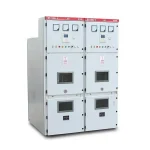
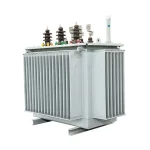
Depuis 2001, Shenheng Power est un fabricant de confiance d'équipements de transmission et de distribution d'énergie, fournissant des solutions électriques fiables à l'échelle mondiale.
Forts d'un système complet de service après-vente, nous fournissons des conseils techniques d'experts, des conseils sur les produits et des services OEM et ODM flexibles pour vos projets.
Depuis 2001, Shenheng Power est un fabricant de confiance d'équipements de transmission et de distribution d'énergie, fournissant des solutions électriques fiables à l'échelle mondiale.
Poste de type conteneur : Liste de contrôle RFQ pour les ensembles extérieurs compacts
Date de sortie : 2026-08-03
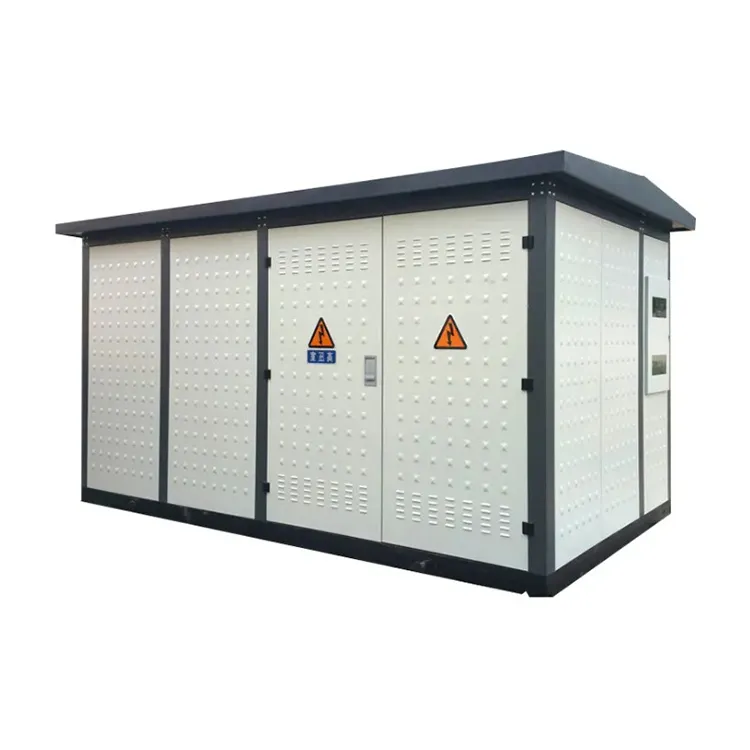
Utility and industrial buyers specifying a box type substation need a controlled RFQ that aligns transformer kVA, MV switching, LV distribution, and foundation interfaces before vendors quote “similar” outdoor packages.
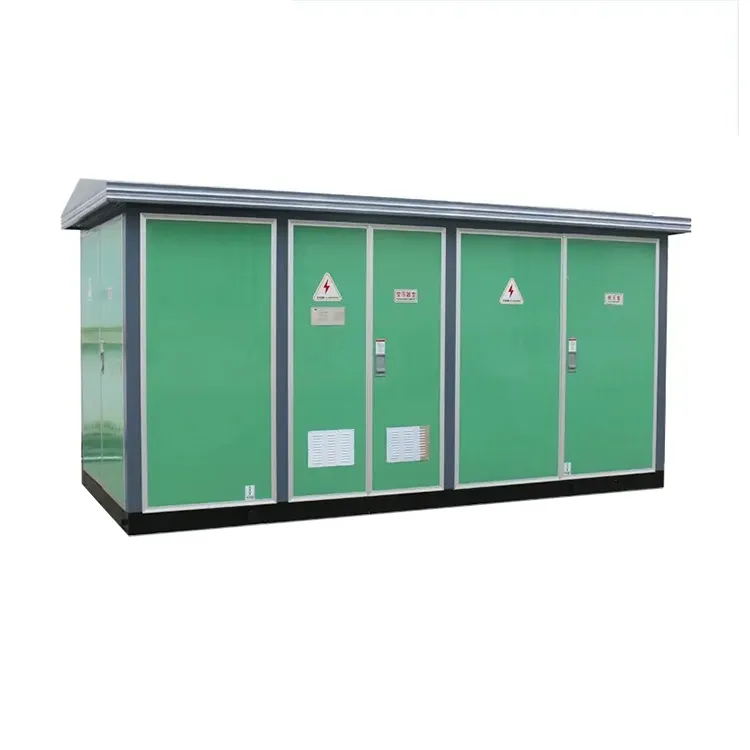
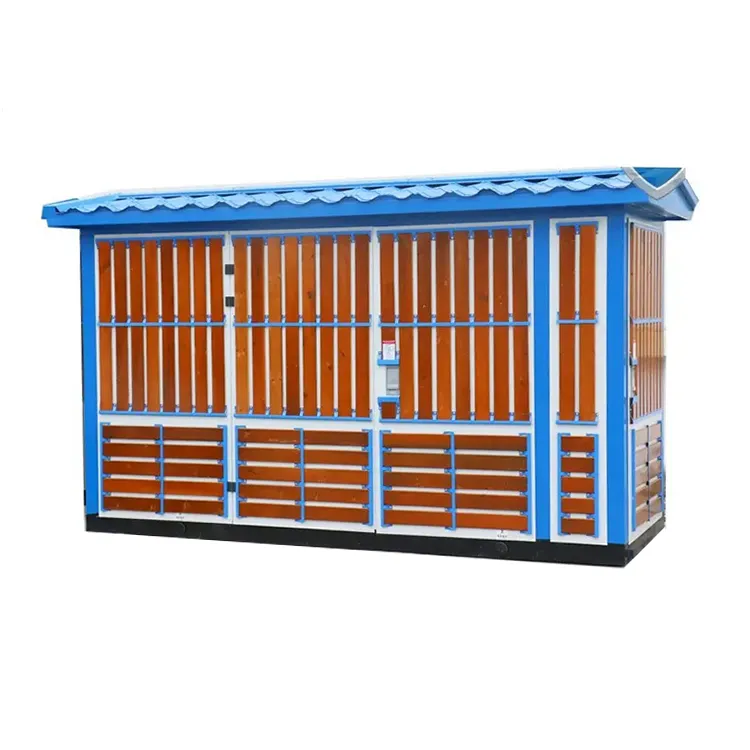
This box type substation guide focuses on practical procurement and layout controls for the package below. Pair the checklist with the approved single-line for box-type-substation-rfq-checklist — cela ne remplace pas l'approbation du service public ou du consultant.
Part 1. When compact outdoor packages beat stick-built yards
Factory-assembled box type substations compress schedule when sites need repeatable MV-LV nodes — industrial parks, feeder extensions, and renewable collection points.
They still require the same engineering rigor as stick-built yards: fault level, grounding, cable bending radius, and maintenance access must be frozen before enclosure manufacture.
Important : For box type substation, freeze these inputs on a controlled revision before normalizing commercial bids; late changes cascade into civil, protection, and factory drawings — align with Pratique des normes IEC et les notes sur la source de l'autorité du projet.
Part 3. MV, transformer, and LV compartment boundaries
Keep MV switching, transformer, and LV distribution compartments clearly partitioned on the GA. Maintenance doors, oil containment (if liquid-filled), and HV cable boxes must not share conflicting access paths.
State whether the transformer is dry type or oil immersed inside the package — ventilation and bunding rules change the civil interface.
Part 4. Documents every box type substation RFQ should demand
Package item
But
Envoyer avec devis
Overall GA with weights
Pad and crane plan
Yes — revision controlled
MV/LV single-line inside package
Protection coordination
Yes — locked SLD
Foundation reaction loads
Civil design
Oui — avant le bon de commande
Cable entry and gland schedule
Trench interface
Yes — manufacture hold
Transformer datasheet + losses
Utility / ops review
Yes — bid stage
Plan de test de routine d'usine
Witness list
Yes — contract annex
Transport / lifting drawing
Logistics planning
Yes — before shipment
Joignez ce tableau à chaque révision de l'appel d'offres afin que les fournisseurs renvoient des dossiers techniques comparables au lieu d'extraits de catalogues.
Part 5. Site set, cable pull, and energization sequence
Verify pad flatness, earthing grid connections, and crane radii before delivery. Pull MV and LV cables only after gland plates match the as-built elevations.
Energize after ratio/insulation checks on the transformer and functional tests on MV switching and LV feeders per the approved sequence.
Part 6. Box Type Substation catalog starting point
Limites de l'application : Pour box type substation (box-type-substation-rfq-checklist), traitez la page de catalogue liée uniquement comme un point de départ technique. non geler box type substation approvisionnement lorsque l'étude des défauts du projet, le déclassement en altitude ou l'enveloppe d'homologation de type du service public dépasse les caractéristiques nominales publiées sur cette page de produit.
If the box type substation study points to a different scheme or rating for box-type-substation-rfq-checklist, browse the page de catégorie et envoyez les entrées d'étude par Contacter Shenheng Power.
Part 7. RFQ mistakes that create “almost fitting” packages
Quoting enclosure size without foundation reaction loads.
Leaving cable entry elevations as “vendor standard”.
Mixing oil and dry type rules without updating civil notes.
Skipping transport envelope checks for site access roads.
Energizing before earthing and interlock proofs are filed.
FAQ
What belongs in a box type substation RFQ first?
MV/LV scheme, transformer kVA/vector group, foundation loads, cable interfaces, and environment class should lead the RFQ.
How do foundation loads affect enclosure design?
Weights and dynamic lifting cases drive pad thickness and anchor layout — late changes force civil redesign.
Which MV/LV schemes fit YB-style packages?
Typical packages combine MV RMU or breaker cubicles, a distribution transformer, and an LV board — confirm the exact scheme on the SLD.
What cable interfaces stall civil works most often?
Entry elevation, bending radius, and gland plate size mismatches with trenches or trays.
Which factory tests matter for outdoor compact units?
Routine dielectric/mechanical checks plus transformer ratio and LV functional tests agreed in the FAT plan.
When is a conventional built substation still preferred?
When future expansion, unusual fault levels, or national type-approval rules exceed compact package envelopes.
Shenheng Electric Power s'engage à devenir un leader mondial des solutions d'équipements électriques, aidant les clients à réaliser une gestion de l'énergie sûre, efficace et durable.

 Shenheng Power Equipment Co., Ltd.