Desde 2001, Shenheng Power ha sido un fabricante de confianza de equipos de transmisión y distribución de energía, ofreciendo soluciones eléctricas confiables a nivel mundial.
Respaldados por un sistema postventa completo, ofrecemos consulta técnica experta, orientación sobre productos y servicios flexibles de OEM y ODM para sus proyectos.
Desde 2001, Shenheng Power ha sido un fabricante de confianza de equipos de transmisión y distribución de energía, ofreciendo soluciones eléctricas confiables a nivel mundial.
Transformer Oil Temperature Gauge Replacement: Review the Complete Instrument
Release Time: 2026-11-15
A transformer oil temperature gauge replacement should be approved as a complete instrument and interface package, rather than selected from dial diameter alone. Establish what the existing device measures, which pocket or sensor it uses, how its indication reaches operators, and whether its contacts control cooling, alarms or protection. Then obtain a manufacturer-supported replacement for that particular transformer. A similar-looking dial may have a different sensing arrangement or contact function. This guide helps buyers and maintenance planners assemble the evidence for that decision; it does not provide instructions for opening an oil system or working on energized equipment.
Identify the measurement before identifying the spare
Start with the transformer serial number, instrument identification and controlled drawings. Record the exact wording on the dial and the designation on the schematic. An oil temperature indicator, winding temperature indicator and electronic monitor can present similar numbers while representing different quantities. A winding temperature indication may include a thermal simulation or other model-specific processing. Treating it as a direct oil thermometer can remove an important part of the original function.
La Oficina de Reclamaciones de EE. UU. transformer maintenance and diagnostics reference distinguishes oil and winding temperature instrumentation. It is useful background for understanding that distinction, rather than a replacement-parts specification for every transformer. The model-specific drawing remains the basis for choosing an instrument and deciding how its functions are verified.
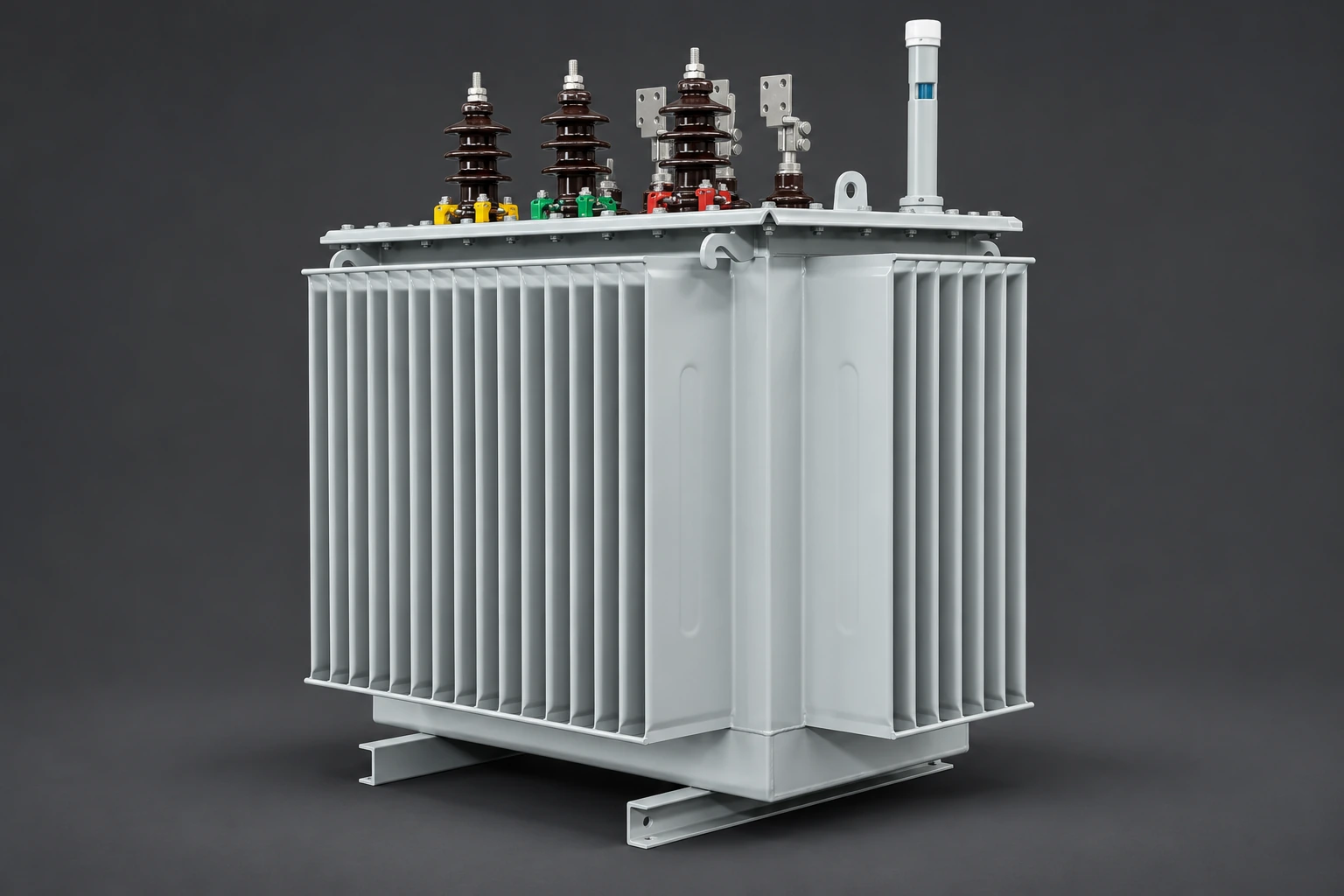
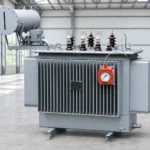
For a project involving Shenheng’s Transformador sumergido en aceite S11-M, request the actual order documentation before assuming the unit has any particular remote gauge, pocket or contact arrangement. The product illustration establishes the relevant transformer family. It cannot identify concealed sensing details, prove an accessory is supplied, or establish that a proposed instrument fits.
Ilustración de referencia del producto basada en la imagen del producto de Shenheng; no constituye un registro real de mantenimiento, pruebas ni de instalaciones de clientes.
Decide whether the symptom belongs to the instrument
Describe the problem before requesting a replacement. Is the local pointer unresponsive, the remote indication implausible, an alarm absent, or a cooling command inconsistent with the approved logic? Those symptoms involve different interfaces. A correctly indicating local gauge can coexist with a fault in remote wiring or the receiving system. Replacing the gauge without identifying that boundary may leave the original defect in place.
Collect dated operating observations, ambient conditions, available load records and the exact alarm text. Preserve the context of each observation rather than combining readings taken at different times. An independent temperature observation is useful only when the team understands what location and quantity it represents. A tank surface reading is not automatically a reference measurement of the oil at the sensing pocket.
The maintenance planner should record evidence, not ask an unqualified person to perform intrusive comparisons. Where a defect could affect protection or cooling, the asset owner decides the operating response through the approved procedure. Do not temporarily silence an alarm or bypass a control to establish whether a replacement will solve the problem.
Build the replacement review sheet
The following table is an engineering review framework, not a catalogue of universal dimensions or settings. Each answer should point to a drawing, approved instrument document or written manufacturer response. Leave uncertain entries visibly unresolved instead of completing them from a photograph.
Interface
Evidencia para recopilar
Question before ordering
Cantidad medida
Dial designation and circuit function
Is the replacement providing the same oil or winding indication?
Sensing arrangement
Pocket, sensor and instrument assembly documents
Which existing parts remain and which must be replaced together?
Instalación mecánica
Mounting arrangement and approved dimensions
Does it fit without altering the transformer or using an unapproved adapter?
Capillary or cable route
Existing route and instrument routing limitations
Can the approved assembly reach its location without damage or unsupported joints?
Contacts and outputs
Terminal schedule and cause-and-effect document
Are all required functions preserved, including normal and fault states?
Acceptance evidence
Agreed inspection and functional verification plan
What results and records are required before service release?
Separate a confirmed requirement from an observation. For example, a photograph may show a capillary entering a well, while only the instrument documentation confirms which sensing assembly belongs there. A purchasing note that clearly marks those different evidence levels prevents an assumption from becoming a purchase specification.
Check the pocket and sensing assembly as one interface
Ask whether the proposed spare includes only the indicating head or the complete sensing system. A mechanical capillary instrument is not necessarily divisible into independently interchangeable pieces. The manufacturer must identify the permitted replacement boundary. Request confirmation of the sensing bulb, pocket arrangement and any associated fittings using the original instrument identity.
Do not infer thread type, insertion depth, sealing arrangement or working clearance from an image. These details can decide whether the bulb reaches its intended position and whether the installation remains mechanically sound. If the proposed part needs a new pocket, altered opening or fabricated adapter, classify that proposal as an engineering change. It should not be quietly accepted as a routine like-for-like purchase.
A quotation may contain optional parts without explaining their purpose. Ask the supplier to mark which components are required for this specific installation, which original components can remain, and what evidence supports that decision. An unexplained accessory list is not confirmation that the old and new instruments are interchangeable.
Review routing without inventing installation limits
Record how the original capillary or sensor cable is supported, protected and brought into its enclosure. Damage, pinching or poor routing may explain a problem that the new instrument would otherwise inherit. Ask the manufacturer for the actual routing limits of the proposed assembly. There is no useful universal bend-radius instruction that can replace the specific document.
The planned route must also make maintenance practical. A spare that technically reaches the panel but cannot be routed through the approved supports without interference is not ready for release. If the new design requires a different route, identify affected barriers, cable entries and nearby moving parts during the engineering review. Do not treat unused length as permission to create arbitrary loops or joints.
Capture the final route in the repair record after authorized work. The next maintenance team needs to understand which parts were changed and where the sensitive assembly runs. A clear route record is more useful than a generic statement that the gauge was replaced successfully.
Ilustración de referencia del producto basada en la imagen del producto de Shenheng; no constituye un registro real de mantenimiento, pruebas ni de instalaciones de clientes.
Preserve contacts, outputs and operating meaning
Prepare a function-by-function comparison of the existing and proposed instruments. Include local indication, remote signal, auxiliary supply if applicable, cooling commands, alarm contacts and protection inputs where present. Identify unused terminals as well as used terminals. Matching the total number of terminals does not prove that their functions or contact behavior match.
cURL Too many subrequests by single Worker invocation. To configure this limit, refer to https://developers.cloudflare.com/workers/wrangler/configuration/#limits.
cURL Too many subrequests by single Worker invocation. To configure this limit, refer to https://developers.cloudflare.com/workers/wrangler/configuration/#limits
cURL Too many subrequests by single Worker invocation. To configure this limit, refer to https://developers.cloudflare.com/workers/wrangler/configuration/#limits.
cURL Too many subrequests by single Worker invocation. To configure this limit, refer to https://developers.cloudflare.com/workers/wrangler/configuration/#limits.
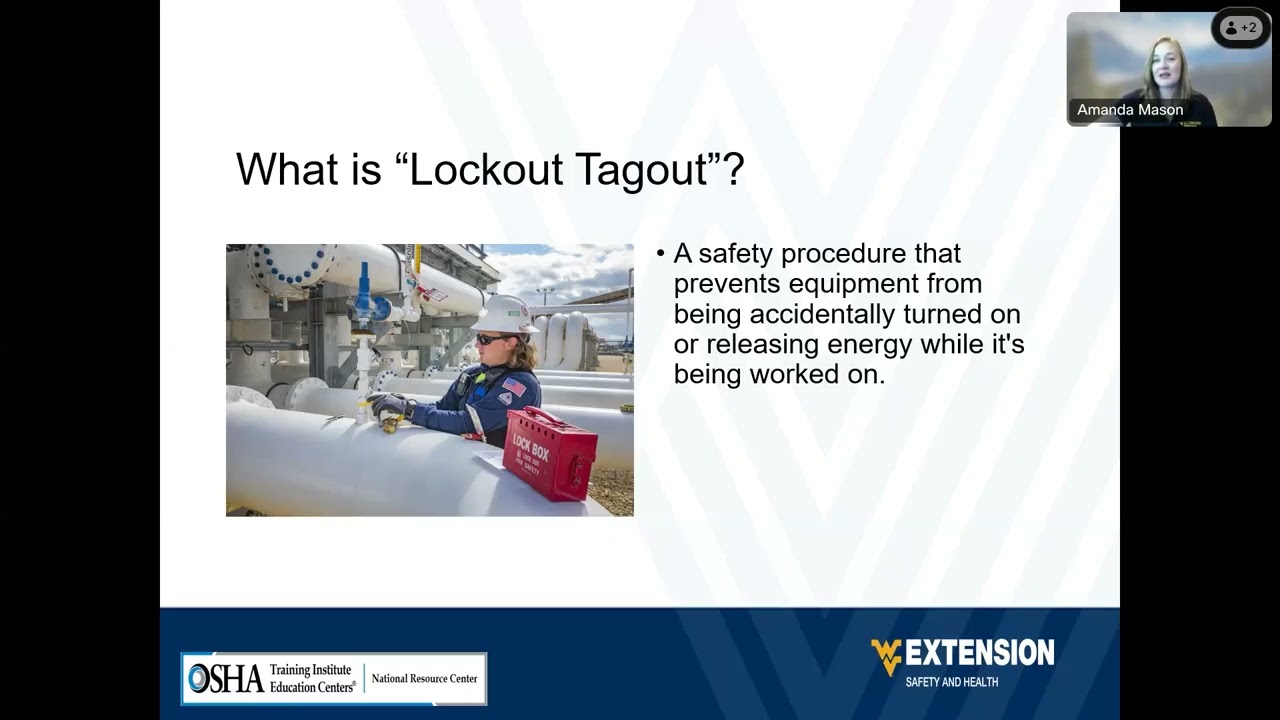
HSE’s guidance on working safely with electrical equipment provides the broader planning and competence context. Its safety principles do not supply transformer-specific setpoints or authorize live work. The short government video below offers additional background on controlling hazardous energy before maintenance.
Aprendizaje adicional: Defiende la Seguridad y la Salud – Bloqueo y etiquetado — Departamento de Trabajo de España. Disponible en YouTube.
Send a usable enquiry and retain a clear repair history
A useful enquiry includes transformer and instrument identities, relevant drawings, clear photographs, symptoms, confirmed interface requirements and the acceptance documents requested. Ask the supplier to identify every deviation from the original arrangement. Written confirmation should name the proposed part and its revision rather than merely say “compatible.”
Consider an offer incomplete if it relies only on a temperature range and mounting-hole match. Return the unresolved questions before placing the order. If the original part is obsolete, request the approved replacement arrangement and its installation implications. Do not silently convert an obsolete instrument into a generic substitute with altered functions.
After authorized work, retain the removed part identity, new serial number, revised documents, verification results and release decision. This creates a traceable repair history instead of an isolated invoice. A comparable interface-review approach is explained in the separate transformer bushing replacement guide, although bushings involve different equipment functions and acceptance requirements.
If the instrument replacement is part of a larger equipment renewal, use the Guía de compra de transformadores sumergidos en aceite to organize the wider specification. Keep the gauge repair decision separate from transformer capacity selection, and carry its approved interface records into the renewal documents.
Preguntas frecuentes
Can any gauge with the same dial size replace the original?
No. Dial size is only one visible feature. The measured quantity, sensing assembly, mechanical interface, outputs and approved functions must also match the specific installation. Obtain a documented replacement decision before purchasing.
Is a winding temperature indicator the same as an oil thermometer?
Not necessarily. They may display different quantities and use different sensing or simulation arrangements. Identify the instrument from the controlled documentation rather than assuming two similar dials are interchangeable.
Does a calibration certificate complete the repair acceptance?
No. It addresses the instrument within its stated scope. Installed-system checks may still be required for sensing position, remote indication, contacts and other affected functions under the asset owner’s approved plan.
What should a buyer do when the original instrument is obsolete?
Request a manufacturer-supported replacement package with a clear list of changes, interface evidence and acceptance requirements. If compatibility cannot be established, keep the purchase unresolved rather than approving a substitute from appearance alone.
Shenheng Electric Power se compromete a convertirse en un líder mundial en soluciones de equipos eléctricos, ayudando a los clientes a lograr una gestión de energía segura, eficiente y sostenible.

 Shenheng Power Equipment Co., Ltd.