Seit 2001 ist Shenheng Power ein vertrauenswürdiger Hersteller von Energieübertragungs- und -verteilungsausrüstung und liefert weltweit zuverlässige elektrotechnische Lösungen.
Unterstützt durch ein umfassendes Kundendienstsystem bieten wir kompetente technische Beratung, Produkthinweise sowie flexible OEM- und ODM-Dienstleistungen für Ihre Projekte.
Seit 2001 ist Shenheng Power ein vertrauenswürdiger Hersteller von Energieübertragungs- und -verteilungsausrüstung und liefert weltweit zuverlässige elektrotechnische Lösungen.
Lagerung von Reserve-Transformatorenöl: Verunreinigungen vor dem Nachfüllen vermeiden
Freigabedatum: 2026-11-11
Spare transformer oil storage should preserve the liquid’s identity and condition until it is accepted for a specific use. Keep each documented product and batch traceable, maintain the approved container or tank system, control access and transfers, and check suitability before the oil enters electrical equipment. A sealed-looking drum or a familiar brand name is not enough to prove that stored liquid remains suitable. Storage history, previous opening, contamination risks and the receiving transformer’s requirements all need to be reviewed.
This guide is for asset owners planning strategic spares and purchasing teams arranging storage services. It does not provide a drum-handling procedure, a universal shelf life or permission to top up an energized transformer. Use the liquid supplier’s instructions, the equipment documentation and the site’s authorized work process.
Decide which spare liquid is intended for which equipment
Begin with an inventory linking each stored liquid to its documented product identity, batch information, receipt date and intended assets. If a site uses different insulating liquids or oil specifications, make that distinction explicit. “Transformer oil” is too broad an inventory description when the stock may serve different designs.
Für einen ölgekühlter Leistungstransformator, confirm the specified liquid and any restrictions before allocating spare stock. The equipment category or external appearance does not establish compatibility. The receiving asset’s current oil history also matters if it has been changed or mixed since delivery.
IEC 60422 includes supervision and maintenance guidance for relevant mineral insulating oils and hydrocarbon-based liquids, with strategic spares within its public scope. Use the applicable complete guidance and supplier instructions. Do not transfer its scope automatically to every insulating fluid or treat the public catalogue description as a storage procedure.
Preserve the original evidence at receipt
Retain the delivery documents and available certificate of analysis, and connect them to the actual containers or tank. Record observable damage, missing identification or discrepancies before the stock is accepted. A certificate without a reliable link to the delivered batch is weak evidence.
Define who can release the liquid into usable stock and which checks the purchase specification requires. If a container arrives with an uncertain seal or unclear history, place it on an administrative hold while the issue is resolved. Do not mix it into an accepted batch just to simplify storage.
For large deliveries, the receiving plan should also identify the storage system and any transfer equipment involved. The oil can meet its supply specification and still be contaminated during an uncontrolled transfer. Make the responsibility boundary between supplier, carrier, storage operator and site visible in the order.
Review the storage system as a whole
Follow the liquid supplier’s requirements for containers, storage conditions and protection from environmental exposure. For a tank system, obtain the design and maintenance information relevant to the stored liquid. Do not assume that a vessel previously used for a different oil is suitable after an informal rinse.
Das Bureau of Reclamation transformer manual gives useful background on oil condition and transformer maintenance. Its technical discussion should be applied with current supplier and asset requirements. It does not assign a universal storage life to an unidentified drum on a particular site.
Storage boundary
Record or check to define
Risk if it is uncontrolled
Flüssigkeitsidentität
Product, batch and intended asset
Wrong liquid allocated for top-up
Container or tank
Approved system and previous use
Contamination from unsuitable storage
Environmental exposure
Supplier’s storage instructions
Unreviewed moisture or weather exposure
Opening history
When, why and by whom stock was opened
Sealed and partly used stock confused
Transfer equipment
Defined compatibility and cleanliness controls
Contamination during handling
Release for use
Required evidence and approval authority
Stored stock treated as automatically acceptable
Remaining stock
Updated quantity and condition status
Untraceable liquid returned to usable inventory
This table is a management checklist. It contains no invented storage temperature, moisture limit or expiration period.
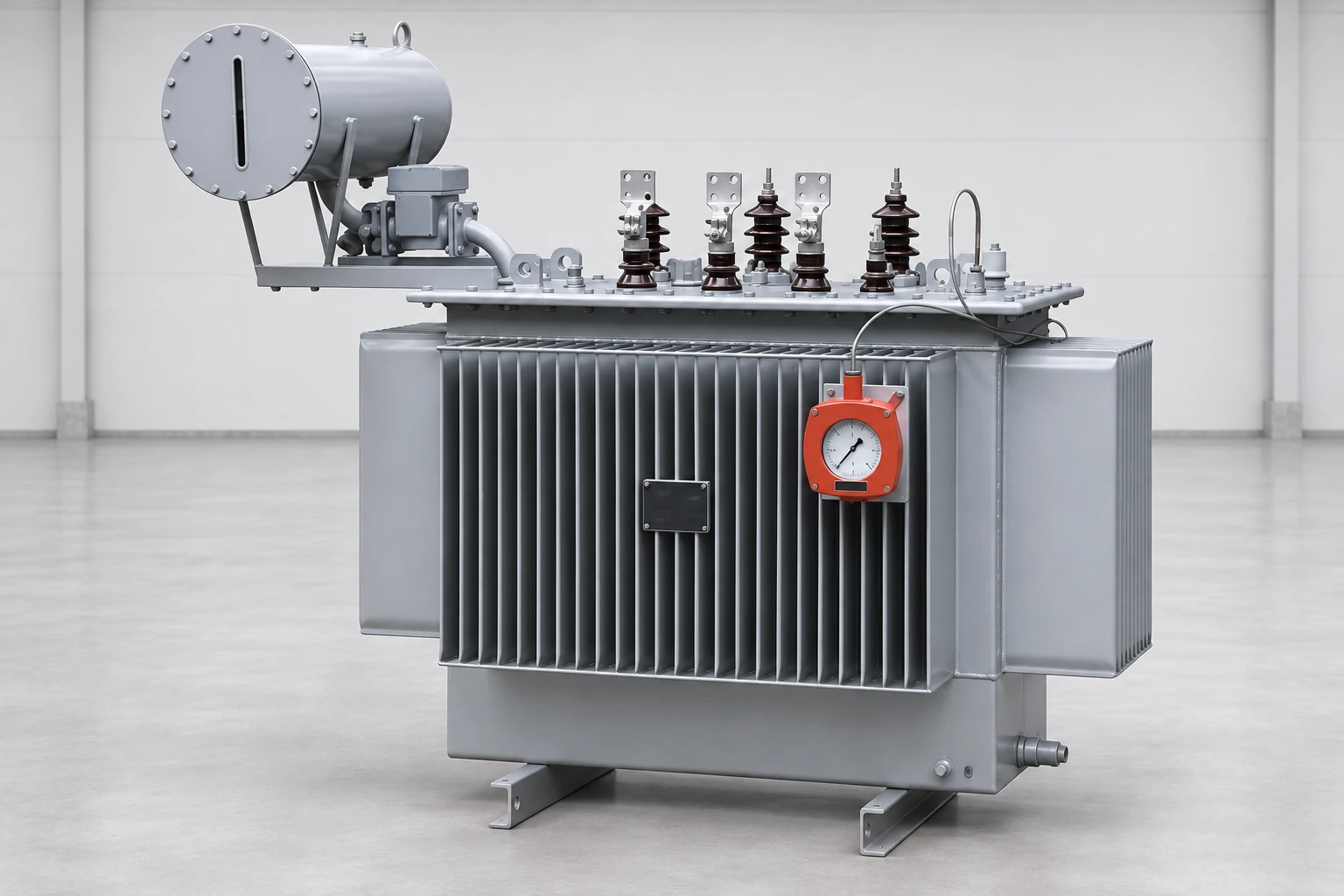
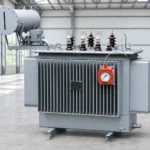
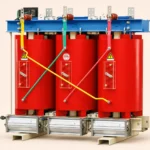
Produktreferenzillustration auf Grundlage der Shenheng-Produktabbildung; kein tatsächlicher Wartungs-, Prüf- oder Kundenstandortbericht.
Treat partly used stock as a different condition
Opening a container changes its history. Record the date, purpose and transfer event, and follow the supplier’s instructions for the remaining liquid. Do not return an opened container to the inventory as though its original closure and handling history were unchanged.
A partly used batch may still be suitable, but that suitability needs a defined basis. The responsible engineer or oil specialist should decide what evidence is necessary before later use, considering the storage system and exposure. A visual appearance check alone cannot establish all relevant insulating-oil properties.
Keep stock that is awaiting review physically and administratively distinguishable from stock released for use. The inventory should show the actual status, not merely the remaining volume. This reduces the chance that a hurried maintenance team selects an uncertain container because it is closest to the door.
cURL Too many subrequests by single Worker invocation. To configure this limit, refer to https://developers.cloudflare.com/workers/wrangler/configuration/#limits
cURL Too many subrequests by single Worker invocation. To configure this limit, refer to https://developers.cloudflare.com/workers/wrangler/configuration/#limits.
cURL Too many subrequests by single Worker invocation. To configure this limit, refer to https://developers.cloudflare.com/workers/wrangler/configuration/#limits.
cURL Too many subrequests by single Worker invocation. To configure this limit, refer to https://developers.cloudflare.com/workers/wrangler/configuration/#limits
cURL Too many subrequests by single Worker invocation. To configure this limit, refer to https://developers.cloudflare.com/workers/wrangler/configuration/#limits.
cURL Too many subrequests by single Worker invocation. To configure this limit, refer to https://developers.cloudflare.com/workers/wrangler/configuration/#limits sample chain-of-custody guide can help organize the records once the sampling plan is established.
An acceptable laboratory report does not independently authorize a top-up operation. The actual maintenance method, outage requirements, level control, contamination protection and acceptance remain part of the equipment-specific work package. Keep the stock-release decision separate from authorization to work on the transformer.
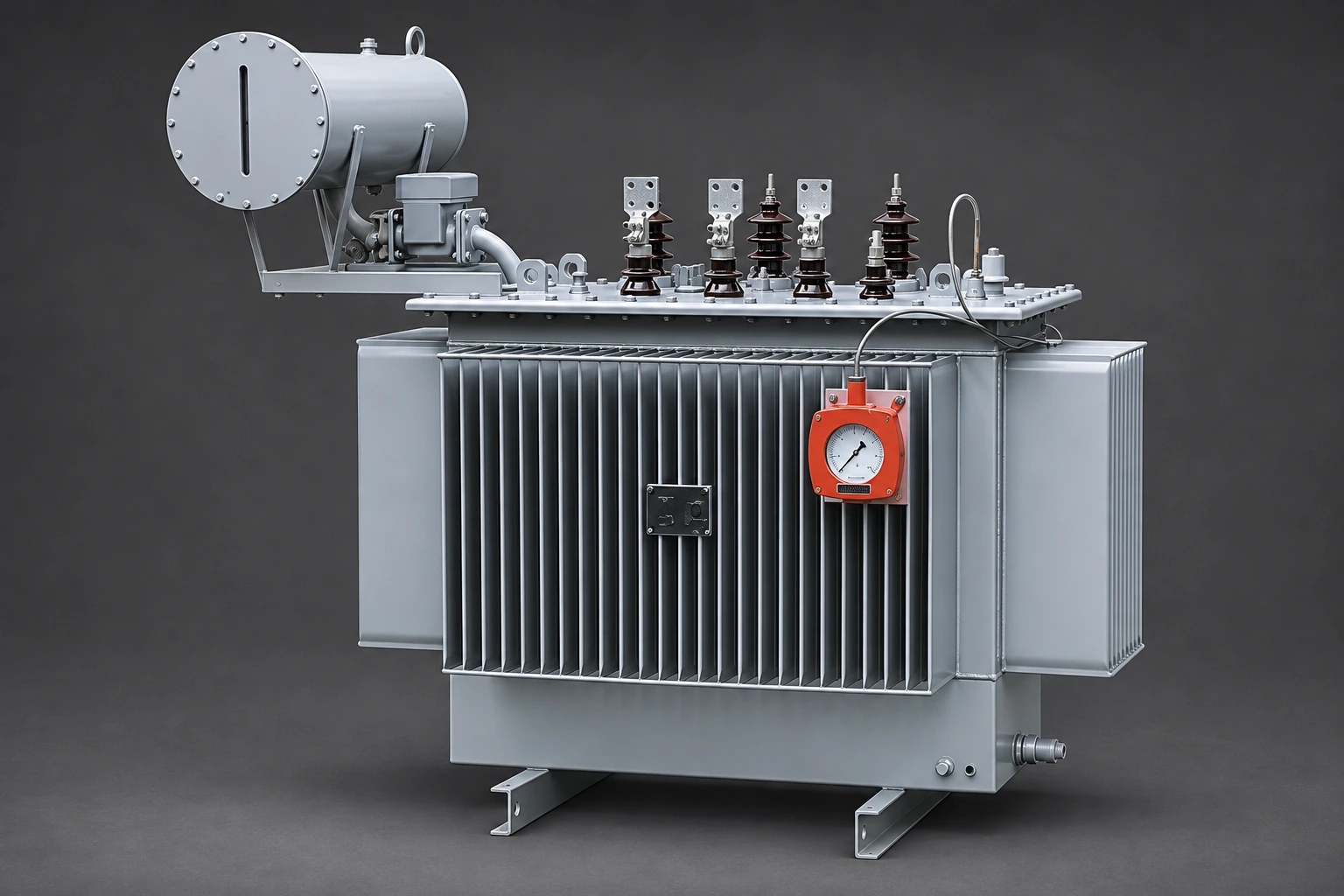
Produktreferenzillustration auf Grundlage der Shenheng-Produktabbildung; kein tatsächlicher Wartungs-, Prüf- oder Kundenstandortbericht.
Consider a realistic inventory discrepancy
Suppose two drums share a product label, but one has a complete delivery record and the other was opened during a previous outage. The second drum’s remaining quantity is known, but its handling record is incomplete. Treating both as identical usable stock would hide the uncertainty.
The useful next action is to reconcile the second drum’s identity and exposure history, then obtain a decision on the checks required for release. The owner should not invent a later opening date or transfer the first drum’s certificate to the second merely because their labels look similar.
If the uncertainty cannot be resolved, the stock may require a different disposition. Record that outcome and keep it outside the released inventory. The objective is dependable spare availability, not a large nominal volume that cannot be used confidently during an outage.
Build a more complete storage-service purchase order
Specify the liquid identities, storage arrangements, traceability, access controls, inspection responsibilities and required records. State how deviations will be reported and who can release or quarantine stock. Ask the service provider to identify any subcontracted transfer or testing activity.
Include a handover requirement when the storage contract ends. The owner should receive batch and container identities, opening and transfer history, current quantity and status, and any outstanding condition concerns. A tank-level reading alone does not preserve the information needed for later use.
Das oil transformer procurement guide provides broader equipment context. If the issue instead concerns preserving liquid inside a transformer during shipment, use the separate shipping liquid-preservation guide. Stored spare oil and a transformer’s internal preservation system have different boundaries and should not share an improvised procedure.
Safety background for maintenance interfaces
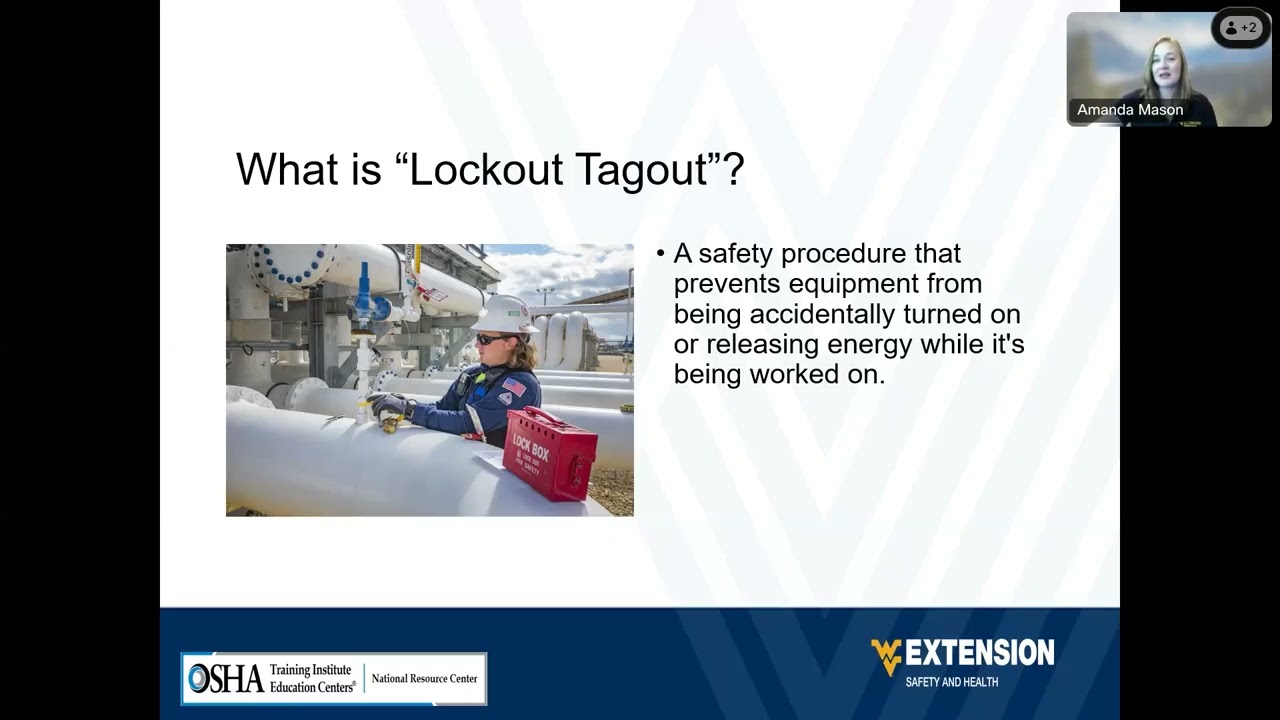
The following US Department of Labor video introduces hazardous energy control. It is general background for planning interfaces with an electrical asset during a later maintenance operation. It does not demonstrate oil storage or transfer, and it does not replace the site’s environmental, handling or isolation procedures.
Weiterführendes Lernen: Für Sicherheit und Gesundheit eintreten – Lockout-Tagout — Bundesministerium für Arbeit und Soziales. Auf YouTube verfügbar.
Häufig gestellte Fragen
Wie lange kann Reserve-Transformatorenöl gelagert werden?
There is no universal period provided by this guide. Use the liquid supplier’s instructions and the approved storage and condition-assessment plan. Identity, container integrity, opening history and environmental exposure all affect the evidence needed before the liquid is released for use.
Ist ein ungeöffnetes Fass automatisch zum Nachfüllen geeignet?
Nein. Überprüfen Sie die rückverfolgbare Identität, die Liefer- und Lagerungshistorie, den Zustand des Behälters sowie die Kompatibilität mit der aufnehmenden Anlage. Führen Sie die vom verantwortlichen Ingenieur und Lieferanten vorgeschriebenen Prüfungen durch. Allein ein äußerlich unbeschädigt wirkender Verschluss belegt nicht sämtliche relevanten Eigenschaften.
Darf Restöl aus verschiedenen Fässern miteinander vermischt werden?
Nur auf Grundlage einer genehmigten Bewertung, die die Kompatibilität und Rückverfolgbarkeit gewährleistet. Eine willkürliche Zusammenführung kann die Chargenhistorie unkenntlich machen und zur Einbringung einer anderen Flüssigkeit oder von Verunreinigungen führen. Behalten Sie die getrennten Bestandsidentitäten bei, bis der zuständige Fachspezialist ein zulässiges Vorgehen festgelegt hat.
Wie sollte mit Beständen verfahren werden, deren Vorgeschichte unbekannt ist?
Keep it on hold and separate from released stock while identity and condition are assessed. Record the uncertainty and obtain a defined disposition. Do not silently assign another batch's certificate or treat the oil as acceptable because it appears clear.
Shenheng Electric Power hat sich zum Ziel gesetzt, ein weltweiter Marktführer für Lösungen im Bereich Energieausrüstung zu werden und Kunden dabei zu helfen, ein sicheres, effizientes und nachhaltiges Energiemanagement zu erreichen.

 Shenheng Power Equipment Co., Ltd.