Shenheng Power Equipment Co., Ltd.
- Home
- Products
Products
Since 2001, Shenheng Power has been a trusted manufacturer of power transmission and distribution equipment, delivering reliable electrical solutions globally.
- Solutions
- News & Blog
- Service
- About Us
- Contact Us
Since 2001, Shenheng Power has been a trusted manufacturer of power transmission and distribution equipment, delivering reliable electrical solutions globally.
A compact substation door-lock and interlocking review should identify who may open each enclosure or compartment, what equipment condition permits access, and what evidence demonstrates the intended restriction. A lock controls access; an interlock constrains a defined action or sequence. Neither should be assumed to replace the electrical isolation, verification and work authorization required for maintenance. Purchasers should agree a door schedule, access-control philosophy and acceptance record before manufacture. This guide focuses on those documents and decisions, without providing a switching sequence or instructions for opening energized equipment.
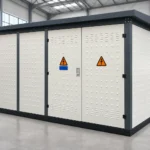
Shenheng’s YB series compact outdoor electrical substation illustrates the relevant enclosure category. Its exterior doors and ventilation panels show why access responsibilities need to be planned across the complete package. Product reference illustrations do not reveal the internal interlocking mechanism or prove the access classification of an individual supplied unit.
List every normal-operation door, equipment-access door, removable cover and any personnel entrance or emergency exit. Identify the compartment served by each opening and the equipment that could remain energized behind neighboring barriers. Do not label the complete enclosure simply locked without explaining its separate access boundaries.
The map should use identifiers matching the general arrangement drawing. For example, door D1 should mean the same physical opening in the specification, key schedule and acceptance record. Consistent identifiers prevent a test or supplier response from being attached to the wrong compartment.
Also state whether the package is operated from outside or includes a walk-in area. The IEC 62271-202 publication description covers enclosed high-voltage prefabricated substations within its defined scope and distinguishes inside and outside operation. Its published revision information includes access-door and aisle provisions. Confirm the applicable edition and full requirements for the actual project rather than applying a generic dimensional rule from an illustration.
An enclosure lock may prevent unauthorized public entry. A compartment interlock may prevent an action until a specified equipment condition is satisfied. A door-position contact may report that a door is open. These three features perform different functions and should have separate descriptions in the enquiry.
Ask what each feature actually prevents, what it only indicates and what still depends on an authorized procedure. A remote door-open alarm, for example, does not necessarily stop a person opening the door. Similarly, a security key shared across several enclosures may not enforce a particular electrical sequence.
The distinction matters when an offer uses broad language such as full interlocking. Request the actual permitted and prohibited actions, the equipment states involved and the manufacturer’s mechanism description. Avoid accepting a marketing phrase in place of a reviewable function. The requirements must be understandable to both the package supplier and the eventual operator.
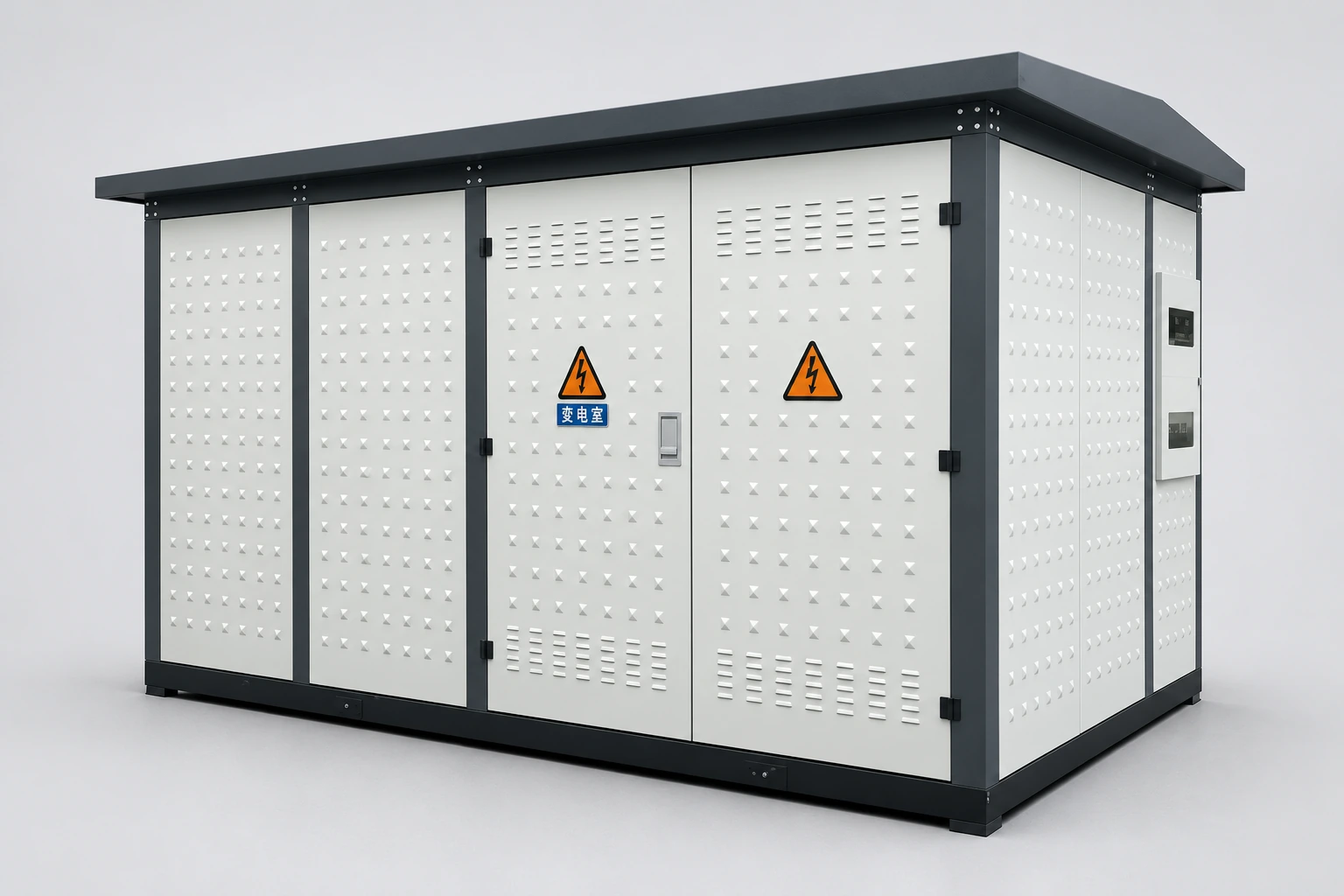
The following proposed schedule is a procurement aid. It does not prescribe a universal interlocking arrangement or authorize entry. The approved design, applicable standards and operator procedures determine the final functions.
| Item | Question to resolve before manufacture | Evidence to retain |
|---|---|---|
| Public enclosure access | Who may unlock each external opening? | Door identifier and key-control schedule |
| MV operating access | Which controls are available during normal operation? | Approved arrangement and operating instructions |
| Transformer access | What electrical sources and neighboring compartments affect entry? | Compartment map and access conditions |
| LV access | Which parts remain hazardous under each source arrangement? | Approved source and isolation boundary documents |
| Interlocking | Which action is prevented in each defined state? | Manufacturer function description and acceptance matrix |
| Door indication | Is the contact an alarm, permissive or status signal? | Wiring/interface document and signal definition |
| Personnel exit | How can occupants leave where personnel entry is provided? | Applicable emergency-exit and access review |
| Removable covers | What prevents an unintended alternative access route? | Cover classification and approved instructions |
Do not fill uncertain cells with assumed standard features. Mark them as questions for the supplier and assign an owner to resolve them. A short, accurate schedule is more useful than an elaborate matrix containing unverified safety claims.
Define the states relevant to each access function using the manufacturer’s terminology. The responsible engineer should check that the state description is unambiguous and relates to the actual mechanism, source arrangement and compartment. An indication on a control screen should not be treated as physical isolation merely because both use the word open.
Ask the supplier to explain how the function behaves under the project’s specified conditions, including relevant auxiliary-supply loss or abnormal indications. The required response depends on the actual interlock design. This article does not claim that every door uses powered locking or that every mechanical interlock has the same failure behavior.
Include multiple-source conditions where they exist. A transformer may have an MV supply while its LV side is associated with generation or another source through the installation. The access review needs the approved complete source diagram. It cannot rely solely on the normal incoming switch position.
Keep detailed operation in the approved procedures and supplier instructions. For related component-level context, see switchgear earthing-switch interlocks. The compact-substation review coordinates access across the assembled enclosure rather than duplicating that component explanation.
A successful interlock test proves only the tested function under the recorded conditions. It does not establish that every energy source has been isolated or that work may begin. Keep operating restrictions, security controls and maintenance safety authorization clearly distinguished in the handover.
The access-control review should identify the separate safe-work arrangements applicable to the site. Utility operations, industrial workplaces and different jurisdictions can have different requirements. The site’s responsible authority must determine the correct electrical safety procedure and ensure that the supplier instructions support it.
The UK HSE guide Electricity at work: Safe working practices provides additional guidance on organizing electrical work. Use these public resources as safety context, not as a replacement for site-specific instructions, competence, permits or equipment information.
The acceptance matrix should identify each function, its approved document reference, the test conditions, the expected result and the person authorized to accept it. The supplier should propose a safe method consistent with the actual assembly and approved test plan. Purchasers should not improvise a live demonstration of a prohibited operation.
Record both the intended permission and the intended restriction where the approved plan requires them. A door that remains closed throughout an inspection has not thereby demonstrated its interlocking function. Equally, seeing a door open in a safe test condition does not prove the restriction works in every prohibited state.
Cross-reference the results to the actual unit and drawing revision. If a mechanism, lock or wiring arrangement changes after the test, the supplier should identify which evidence remains applicable and what requires rechecking. The switchgear factory acceptance checklist explains the wider evidence package, while this article addresses the enclosure-access functions specifically.
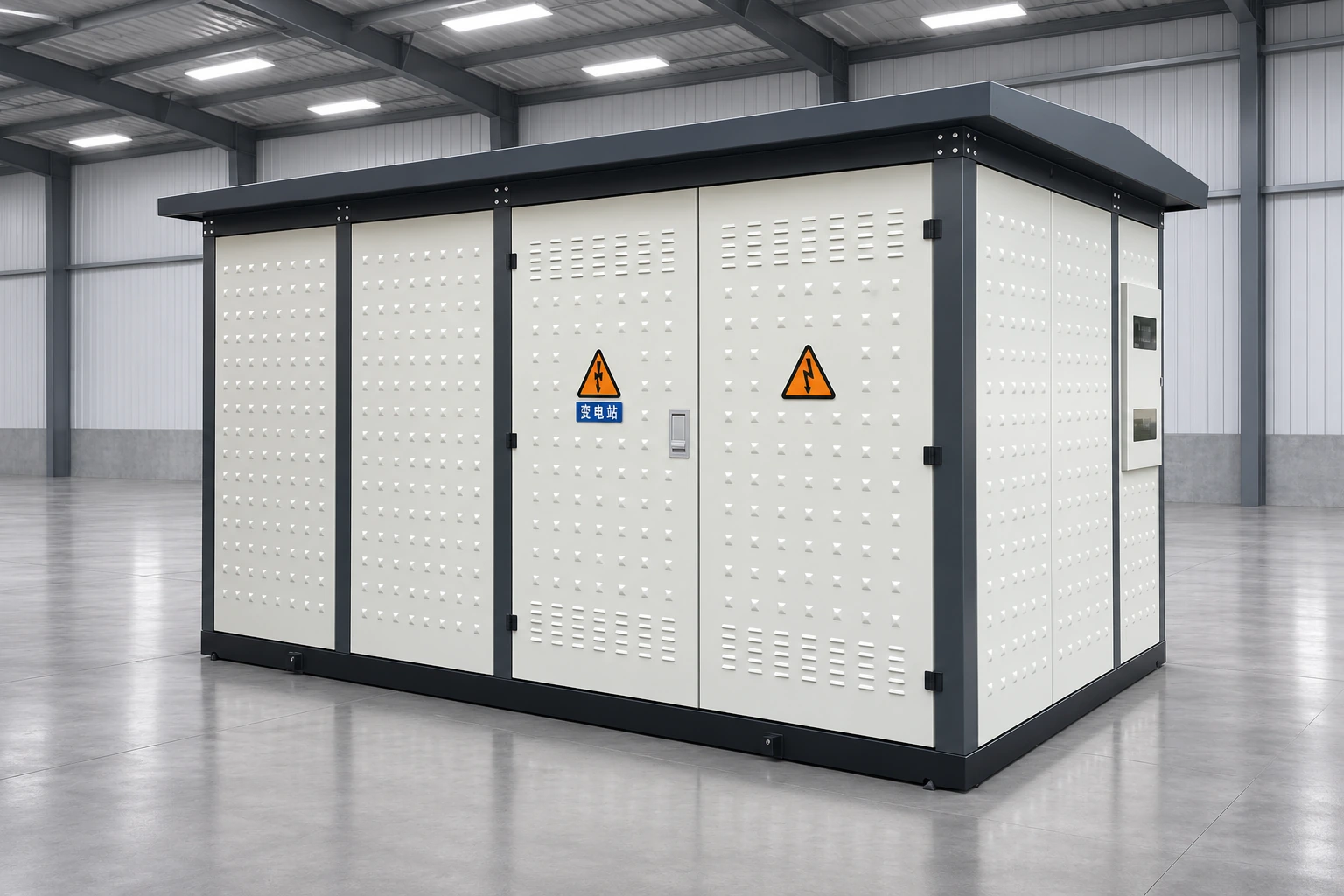
Define who holds normal access keys, where duplicates are controlled and how the operator receives the final schedule. Key management should reflect the actual functions. Do not treat a maintenance isolation lock as interchangeable with a general enclosure-security key.
Where a manufacturer provides an override or emergency release, request its intended purpose, authorization conditions and restoration requirements. The existence of an override should not become an informal workaround for an unresolved interlock fault. Record how its use is controlled in the operator’s approved system.
Consider a hypothetical handover in which two doors share similar handles but serve different compartments. If only one is linked to a specified equipment state, staff may incorrectly infer that both offer the same restriction. Clear identification, instructions and training resolve that ambiguity; adding the word interlocked to the overall brochure does not.
For installations that include personnel entry, review emergency egress with the supplier and responsible safety designer. Security against entry and escape from inside are different requirements. Their compatibility must be established for the actual enclosure and local requirements, rather than assumed from the presence of an external padlock.
The access design must also work after installation. Check the approved door opening envelopes against fences, walls, traffic routes and adjacent equipment. Confirm that intended operating positions and escape routes remain available. Site restrictions can undermine an otherwise suitable enclosure arrangement.
Keep this review separate from the transformer replacement-access assessment. Removing a transformer involves equipment dimensions and handling arrangements; routine access control involves personnel permissions and equipment states. Both matter, but passing one review does not pass the other.
At handover, retain the final drawings, key schedule, acceptance results, operating instructions and unresolved-item closure record. Arrange inspection of locks, hinges, identification and relevant functions according to the manufacturer and operator requirements. Damaged hardware or changed site arrangements should trigger review before staff rely on the original access assumptions.
This US Department of Labor training discusses lockout/tagout and hazardous energy control. It explains the safety context for access planning, not the operating sequence or approval of a particular compact substation.
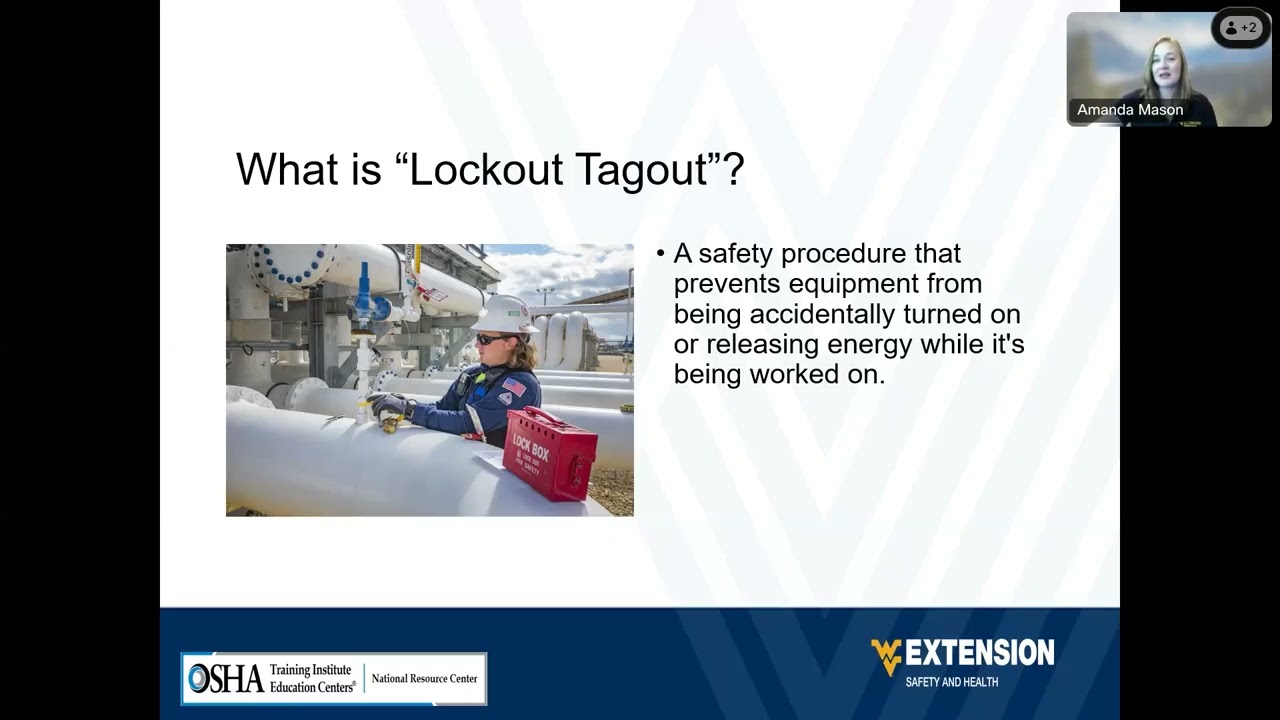
Further learning: Stand Up For Safety and Health – Lockout tagout — USDepartmentofLabor. Open the video on YouTube.
No. A security lock restricts access. Electrical safety depends on the actual equipment state, source isolation and required verification and authorization under the site’s approved procedures.
No. An alarm reports a condition; an interlock constrains a defined action or sequence. A specific design may connect these functions, but the supplier must identify what the offered arrangement actually does.
There is no universal answer. The operator and supplier should agree the key schedule based on access responsibilities, equipment functions and the approved operating philosophy.
Check the unit-specific compartment map, door identifiers, key schedule, approved functions, acceptance evidence, instructions and operator responsibilities. Confirm that site obstructions or later changes have not invalidated the access design.