Shenheng Power Equipment Co., Ltd.
- Home
- Products
Products
Since 2001, Shenheng Power has been a trusted manufacturer of power transmission and distribution equipment, delivering reliable electrical solutions globally.
- Solutions
- News & Blog
- Service
- About Us
- Contact Us
Since 2001, Shenheng Power has been a trusted manufacturer of power transmission and distribution equipment, delivering reliable electrical solutions globally.
Transformer oil reconditioning generally targets physical contamination such as particles, water and dissolved gas using appropriate treatment processes. Reclamation targets deterioration products that ordinary physical cleaning may leave behind, commonly through an adsorbent treatment process. Choose between them from a complete oil condition review and the transformer’s engineering limits, not from oil color or a treatment machine’s name. Neither process automatically restores aged paper insulation, repairs a fault or makes an old transformer equivalent to new equipment.
Reconditioning can include filtration, drying and degassing, depending on the problem and approved process. These operations address different contaminants and should not be treated as interchangeable. A filter selected for particles does not establish that water has been removed to the required condition. Likewise, a successful oil drying result does not prove that oxidation products have been removed or that cellulose insulation has reached a particular moisture state.
Reclamation aims to improve oil affected by chemical deterioration products through suitable processing, often involving adsorbent media. It may be combined with physical treatment, but the purpose remains distinct. The US Bureau of Reclamation transformer manual distinguishes particulate removal and drying from reclamation in its maintenance discussion. Its older example limits should not be copied as universal current requirements for every fluid and transformer.
The public scope of IEC 60422:2024 covers supervision and maintenance guidance for mineral insulating oils and other relevant hydrocarbon liquids. Confirm that the fluid and equipment fall within the applicable guidance. Natural ester, silicone and other liquids may require different handling and evaluation. The public catalog identifies scope; it does not provide the complete maintenance procedure or authorize a specific treatment service.
Ask the manufacturer and responsible engineer to define the treatment objective, applicable fluid specifications and equipment limitations. A service provider’s commercial term such as “purification” may cover several operations or only one. Translate that term into a written process scope and measurable acceptance evidence. This makes competing quotations comparable and reduces the risk of purchasing a service that improves appearance without addressing the identified condition.
| Question | Reconditioning emphasis | Reclamation emphasis |
|---|---|---|
| What problem is being addressed? | Identified physical contamination, water or gas | Identified chemical deterioration products |
| What process is proposed? | Specified filtration, drying or degassing operations | Specified adsorbent treatment, often with physical processing |
| What evidence is needed? | Relevant before-and-after physical condition tests | Relevant before-and-after chemical condition tests and additive review |
| What does success not prove? | Removal of every oxidation product or dry paper | Restored paper strength or repaired electrical defects |
| What must the engineer approve? | Equipment interfaces and process conditions | Fluid compatibility, treatment scope and final condition |
This qualitative comparison does not establish a treatment threshold. Use laboratory results, trend history, fluid identification and the applicable maintenance requirements. A transformer with a fault source may need investigation or repair alongside any oil work. Treating the oil can change the diagnostic baseline, so preserve relevant pre-treatment evidence before the process begins.
Collect the available oil test history and identify which properties prompted concern. Depending on the question, the engineer may consider moisture, dielectric breakdown, acidity, interfacial tension, dielectric loss, particles, inhibitors and dissolved gases. Do not order every possible test without a purpose. State which results support the proposed treatment and which answer a different question about equipment health.
Read the trend in context. Loading, temperature, recent top-ups, leaks, breathers and earlier processing can influence the picture. A single dark sample is not sufficient to select reclamation. A single improved breakdown value after filtration does not close every deterioration concern. Use the acidity test guide and interfacial tension guide for complementary evidence, while keeping the final maintenance decision with the responsible engineer.
Oil is only one part of the insulation system. Water can be distributed between oil and solid insulation, and the relationship changes with temperature and condition. Improving the liquid sample does not by itself quantify the remaining water in paper. Similarly, removing some oil deterioration products does not rebuild cellulose that has lost mechanical strength through aging. Avoid service claims that imply an oil treatment resets the transformer’s age.
Where solid insulation condition affects the decision, use the approved diagnostic approach and available history. The paper degree of polymerization article explains a separate assessment topic. Oil-based indicators and direct paper measurements have different limitations. A treatment plan should explain which questions it can resolve and which remain open after the oil is processed.
Record the oil type, known supplier batch, inhibitor status and any previous mixing or additive treatment. Reclamation can affect constituents beyond the unwanted contamination, so the post-treatment plan should address the fluid’s required final condition and any approved additive adjustment. Do not prescribe an inhibitor dose from a generic online example. The fluid specification, laboratory evidence and qualified engineering instructions govern that decision.
If the oil identity is uncertain, clarify it before selecting treatment media or introducing replacement liquid. Compatibility is a separate question from cleanliness. A clear bottle does not establish chemical compatibility, and a nominally similar mineral oil is not automatically approved for every existing fill. Request written review of proposed additions and retain batch information in the asset history for future sampling and maintenance.
The work scope should identify the transformer, oil volume basis, agreed treatment objective, equipment interfaces and required manufacturer approvals. Define who controls isolation, grounding, environmental containment, fire precautions and return to service. Temperature, pressure, vacuum conditions and flow arrangements must come from the approved method and equipment limits. They are not universal settings that can safely be copied from another transformer.
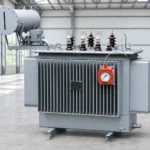
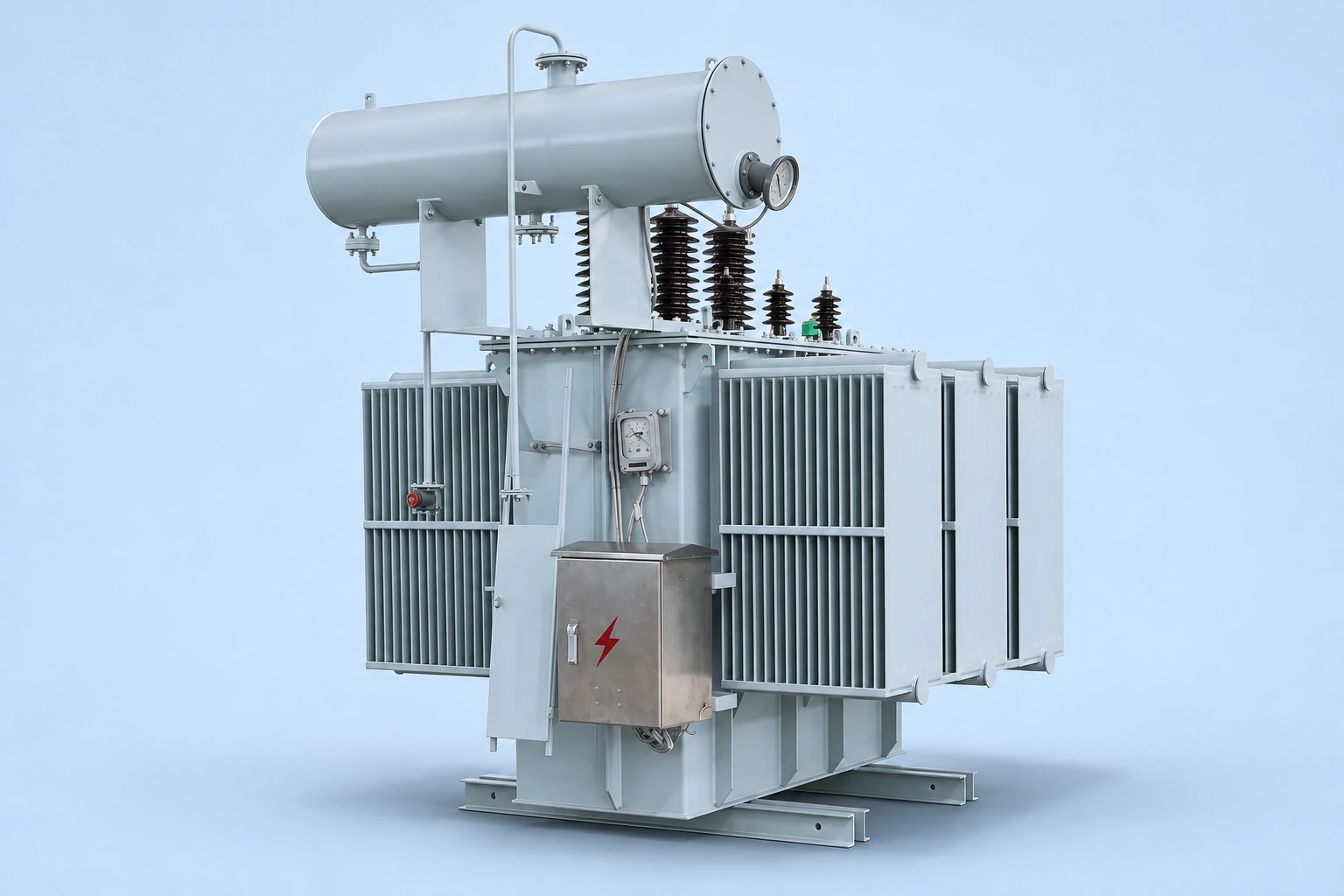
For the pictured industrial oil immersed transformer, the product page establishes product relevance only. It does not demonstrate treatment suitability or certify a tank vacuum rating. Use the oil transformer buyer’s guide to request the relevant documentation and ensure maintenance interfaces are understood before purchase.
Agree the post-treatment sampling timing and conditions before work starts. Immediate results may be useful for process control, while a later engineering review may answer a different question about equipment equilibrium and ongoing contamination. Keep these purposes distinct. Identify the laboratory methods, required properties and decision rules in advance, including what happens if only part of the objective is achieved.
Preserve pre-treatment results because degassing and other processing can change the diagnostic picture. Record the exact process, dates, service provider, oil additions and any equipment changes. A future DGA reviewer needs to know that the liquid was treated; otherwise a discontinuity in the trend may be mistaken for a spontaneous improvement in the transformer itself. Documentation is part of the maintenance outcome, not an optional administrative extra.
Reclamation, reconditioning and replacement are options within a larger asset decision. Consider the source of contamination, expected future condition, outage opportunity, fluid compatibility, waste handling and equipment health. Do not assume replacement alone removes contamination retained elsewhere in the system. Likewise, repeated treatment without addressing moisture ingress or an active fault may give only temporary improvement.
A useful recommendation names the problem, the evidence, the chosen process and its limitations. It also identifies the next observation that would show whether the action worked. This approach lets purchasing compare service proposals on outcome and evidence, while allowing the engineer to retain control of technical conditions and release. It avoids paying for an impressive treatment description that never answers the original maintenance question.
In a fictional maintenance review, physical treatment improves the water result but leaves the chemical deterioration concern unresolved. That is not necessarily a failed drying operation; it may show that the selected operation answered only part of the original question. Compare the contracted objective with the actual evidence before deciding whether further treatment is needed. The engineer should examine the broader oil condition, equipment history and source of deterioration.
Do not automatically repeat the same process and expect it to remove a different class of contaminants. Request a revised recommendation that explains the remaining problem, whether reclamation or replacement is appropriate, and how the outcome will be checked. Preserve the successful physical result alongside the unresolved chemical evidence. This gives purchasing a clear basis for the next scope while preventing a partial improvement from being presented as complete restoration.
This independent electrical education lesson by Jawaharlal Karamchetti discusses transformer oil, moisture and sludge. It supports the deterioration background only; it is not a treatment instruction or evidence that a particular oil can be restored.
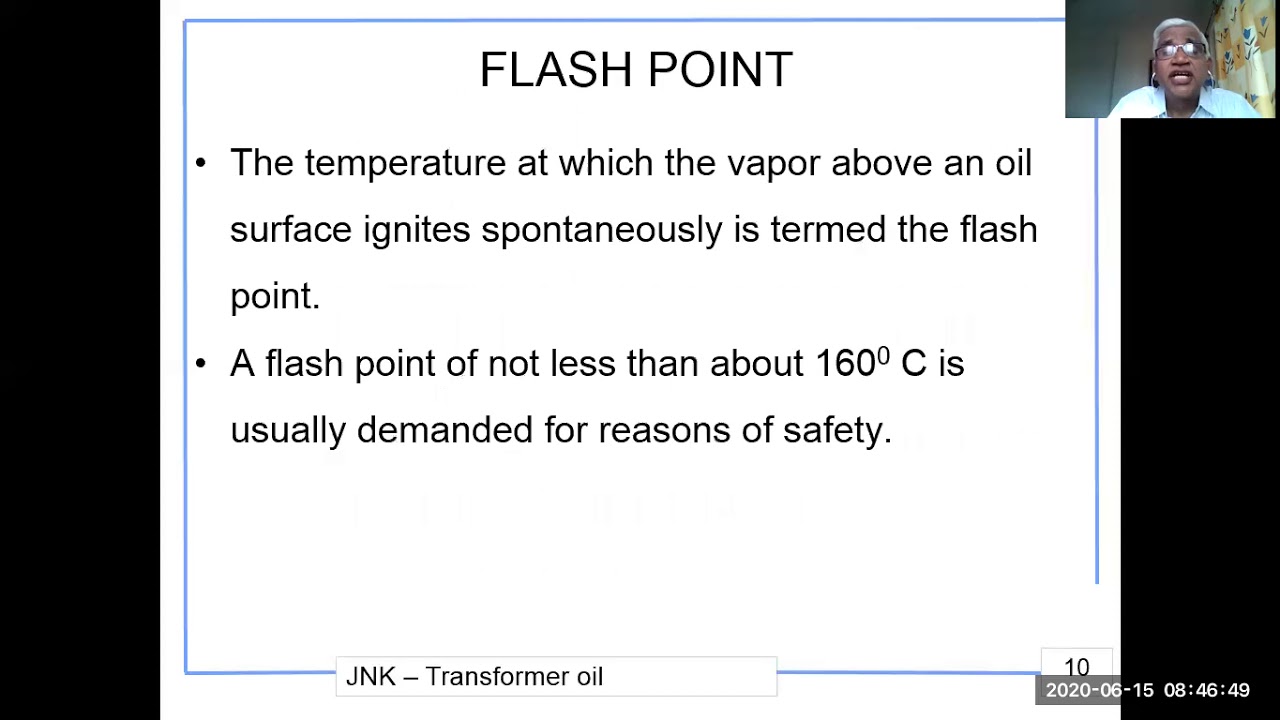
Watch Transformer oils and features, Synthetic oil, Moisture, Sludge on YouTube
No. Particle filtration addresses a physical contamination problem, while reclamation targets deterioration products through an appropriate treatment process.
No. Appearance is insufficient. Use the properties, methods and acceptance evidence agreed for the actual treatment objective.
It does not rebuild degraded cellulose or make the transformer new. Solid insulation condition requires its own engineering assessment.
Yes. Processing can alter dissolved gas results, so preserve the earlier baseline and record the treatment in the asset history.