Shenheng Power Equipment Co., Ltd.
- Home
- Products
Products
Since 2001, Shenheng Power has been a trusted manufacturer of power transmission and distribution equipment, delivering reliable electrical solutions globally.
- Solutions
- News & Blog
- Service
- About Us
- Contact Us
Since 2001, Shenheng Power has been a trusted manufacturer of power transmission and distribution equipment, delivering reliable electrical solutions globally.
Ring main unit lifespan cannot be determined reliably from age alone. The useful service period depends on equipment condition, switching duty, environment, maintenance history, continued suitability and the availability of technical support. A planning assumption is not a guarantee that an individual RMU will remain safe for that period. For owners deciding whether to maintain, refurbish or replace equipment, the practical approach is to combine condition evidence with failure consequences and replacement constraints. This guide explains that decision process without assigning an unsupported universal number of years to Shenheng equipment or any other manufacturer’s assembly.
Calendar age is the time since manufacture or installation. It is useful for identifying an equipment generation and locating the correct drawings, but it says little about the actual operating history by itself. A lightly used indoor assembly and an exposed unit subjected to water ingress may have very different condition despite sharing the same installation date.
Mechanical endurance, electrical switching duty and insulation condition describe additional aspects of service. They should be checked against the applicable equipment instructions and records. An operating counter is evidence, not a complete remaining-life calculator. The type of operation and any significant fault events also matter.
A design-life assumption can support financial planning, while remaining useful service concerns the individual asset and its future operating requirements. Neither should be presented as an automatic retirement date. Retain the assumptions and uncertainty so that a future reviewer can understand why a replacement was advanced or deferred.
Identify the manufacturer, model, serial number, installation date, arrangement and relevant ratings. Locate the manual, approved drawings and commissioning record. Determine which sections belong to the same assembly and which accessories have separate maintenance or replacement requirements. Missing identity records make later decisions more uncertain, even when the enclosure looks presentable.
The Shenheng ring main unit product provides a relevant equipment-family reference. Its appearance does not demonstrate a guaranteed service period, a particular interruption capability or a future support commitment. Obtain configuration-specific information from the supplier for the equipment being evaluated or ordered.
An RMU also operates within a distribution network. Check the approved circuit arrangement, isolation boundaries, protection and cable interfaces. The RMU selection guide gives that wider context. A replacement decision must preserve the required network function as well as address the condition of the cabinet.
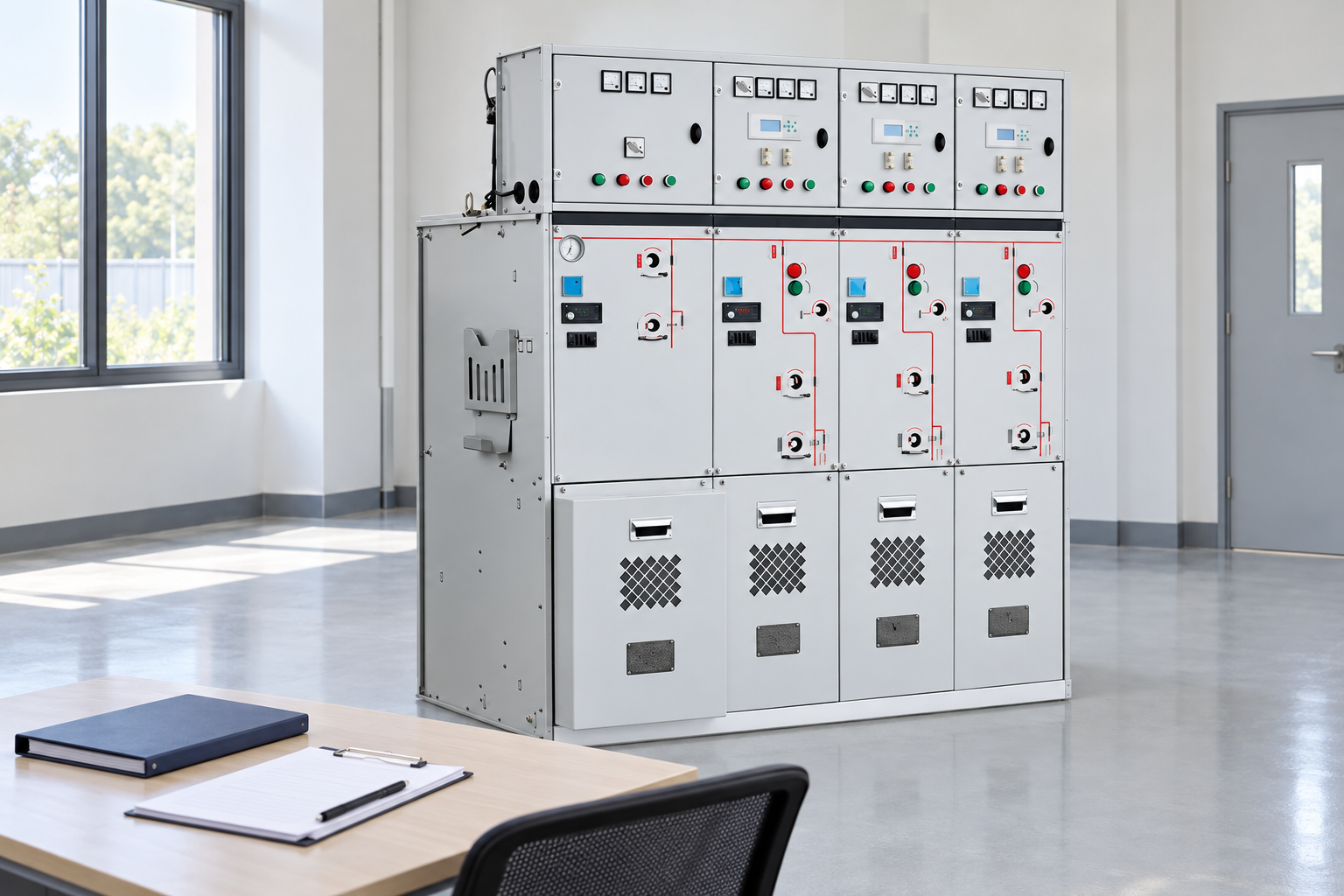
Begin with existing records before commissioning additional tests. Useful information includes inspection reports, fault history, switching records, environmental incidents, corrective work and supplier notices. Confirm which information applies to the present equipment and which belongs to an earlier arrangement. Preserve original findings alongside subsequent repairs.
The UK HSE’s Keeping electrical switchgear safe guidance addresses ownership, operation, maintenance and assessment of aged high-voltage switchgear within its stated scope. It is a safety-management reference, not a universal lifespan table. Local requirements and equipment instructions still determine the arrangements for an individual site.
Use the following evidence checklist to organize a qualified review. The table provides decision inputs rather than numerical pass limits or an inspection procedure. Unusual findings require assessment under the approved safety and maintenance arrangements; staff should not open compartments or operate suspect equipment merely to complete a spreadsheet.
| Evidence area | What to establish | How it affects the decision |
|---|---|---|
| Identity and history | Correct model, revisions, dates and previous interventions | Determines which instructions and support information apply |
| Operating duty | Switching records and significant electrical events | Identifies duty that may require specific investigation |
| Physical condition | Recorded corrosion, damage, contamination or water entry | Helps define whether deterioration is localized or extensive |
| Functional condition | Approved evidence for mechanisms, interlocks and auxiliary functions | Identifies unresolved risks affecting continued use |
| Supportability | Available parts, service capability and technical documentation | Shows whether a practical repair strategy exists |
| Network suitability | Present and forecast ratings, protection and interfaces | Identifies equipment that may no longer fit the system |
| Consequences and access | Outage effects, replacement access and lead time | Helps prioritize intervention and contingency planning |
Moisture, contamination, temperature and corrosion exposure can affect serviceability. Record actual observations and repeated patterns rather than applying a broad environmental label once. Water entry after building work, for example, changes the evidence even if earlier inspections were satisfactory.
Separate the origin of a problem from its visible result. Replacing a damaged accessory without addressing recurring ingress may leave the mechanism of deterioration in place. Conversely, a repair that resolves an identified building defect does not automatically restore damaged insulation or establish that every affected compartment is suitable for continued service.
Use supplier-approved inspection and corrective arrangements. Environmental control can reduce further deterioration, but it cannot reverse every form of aging or damage. Document what was corrected, what condition remains and what evidence is required before the asset returns to its intended service.
Maintenance records help explain observed condition, but the existence of a maintenance contract is not proof that equipment remains fit for service. Review the work actually performed, findings recorded, deferred defects and approved follow-up. A recurring unresolved fault should remain visible rather than disappearing into successive closed work orders.
The SF6 RMU maintenance checklist covers the maintenance context. This article focuses on the separate investment decision: whether continued maintenance remains a credible strategy compared with refurbishment or replacement. Avoid duplicating the inspection checklist when a documented options assessment is what the owner needs.
Where gas-insulated equipment is involved, follow the manufacturer’s instructions and the applicable handling requirements. Do not treat an abnormal indication as permission to add gas or open a sealed compartment. Establish competent support and the correct response to the actual design and recorded condition.
An asset in poorer condition is not automatically the first replacement if another asset has a more severe and poorly controlled failure consequence. Consider safety, loss of supply, critical loads, restoration options, environmental effects and access. Keep these factors separate enough that the prioritization can be explained.
Ofgem’s Common Network Asset Indices Methodology consultation provides context for structured consideration of asset health, criticality and risk in distribution networks. That regulatory framework should not be copied into an industrial site’s spreadsheet as if its calibration applied automatically. Use a method appropriate to the owner and record the basis.
For example, an RMU feeding a process with an alternative supply may have different outage consequences from an otherwise similar unit serving an essential load without a practical transfer route. Both still require safe operating condition. The difference helps establish contingency and investment priority, rather than excusing an unresolved safety issue.
Continued maintenance may be appropriate when condition is acceptable, support remains available and the equipment still suits the network. The decision should identify the next review point and the events that would trigger an earlier reassessment. Avoid an indefinite extension described only as “monitor.” State what will be monitored and who reviews the result.
Refurbishment needs a defined technical scope. Ask which components will change, what original assembly remains and how the modified configuration will be verified. A replacement mechanism or control package is not automatically a complete renewal of every insulation system, enclosure or interface. Obtain supplier or competent engineering approval for the proposed arrangement.
Replacement may become preferable when deterioration, unsupported components, changed ratings or operational constraints make other options weak. Compare the complete project: equipment, civil changes, cables, protection, commissioning, outage arrangements and disposal. A lower equipment price can conceal substantial interface work that the investment decision still needs to include.
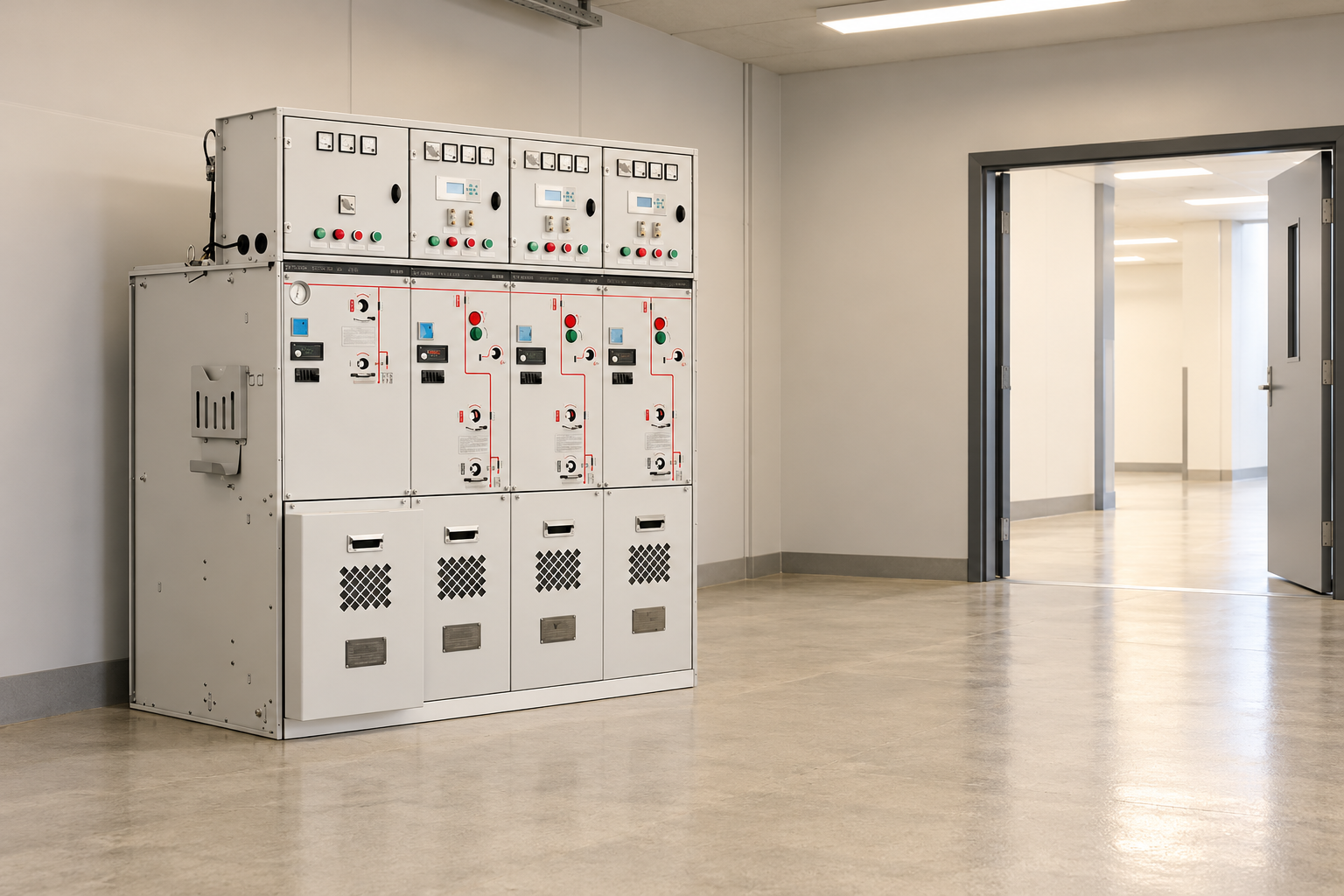
Define the future single-line arrangement and confirm the required ratings with the responsible designer. Record the available fault duty, cable interfaces, protection requirements, access limitations and permitted outage window. The replacement must fit the approved future system rather than reproduce an obsolete data sheet without review.
Survey the room and delivery route early. Equipment dimensions, lifting access, foundations and cable positions can determine whether a replacement can be installed during the intended outage. Retain those measurements with the design documents. Do not assume that a similar-looking enclosure has interchangeable mounting or termination arrangements.
Develop a sequence covering approved isolation, temporary supply where required, removal, installation, testing and restoration. Use the RMU commissioning checklist as related reading, subject to confirmation of the actual project procedure. Qualified personnel must control switching, isolation and all electrical work; this planning article provides no operating authorization.
The educational explanation below by TheElectricalGuy introduces RMU arrangements and their role in a ring distribution network. It helps owners understand why a replacement must preserve the intended switching and supply function. It does not provide a guaranteed lifetime, an assessment of a particular asset or instructions for live work.
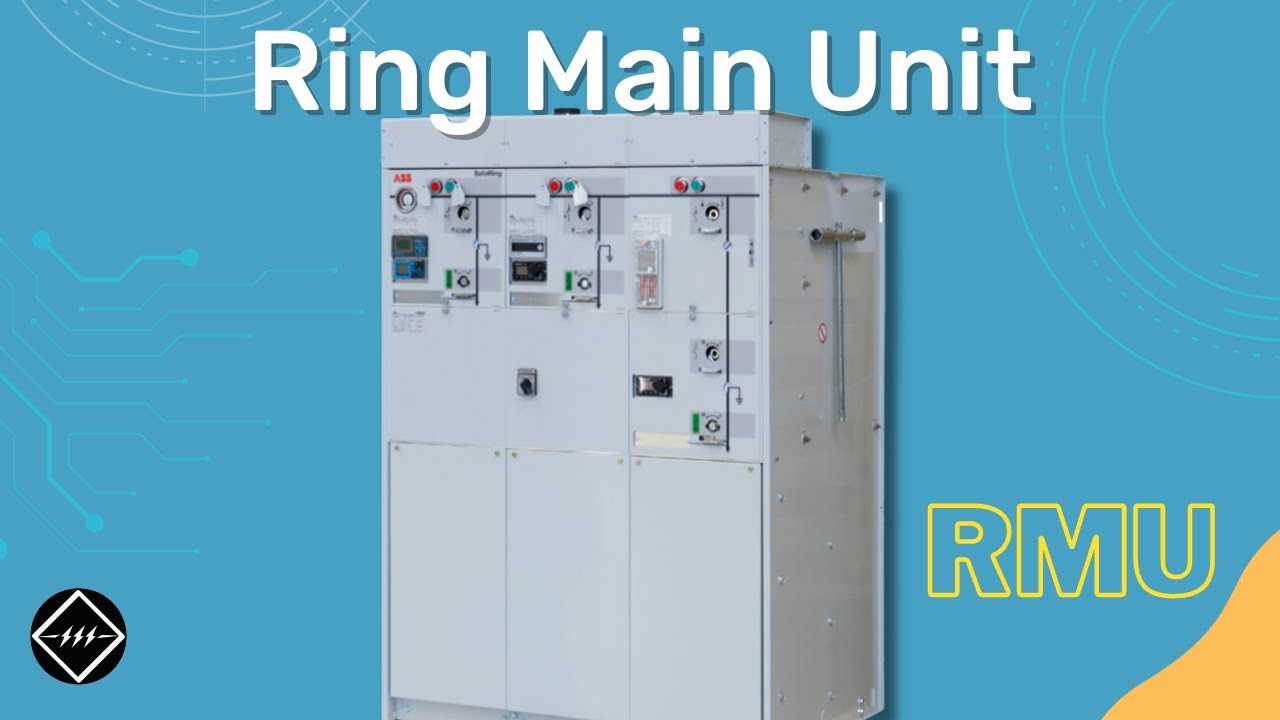
Further learning: What is Ring Main Unit (RMU) | Explained | TheElectricalGuy — Gaurav J – TheElectricalGuy. Educational background; this is not an operating authorization. Open the video on YouTube.
There is no reliable universal period for every RMU. Use the manufacturer’s stated design basis and assess the actual equipment’s condition, duty, environment, supportability and continued suitability. A planning assumption is not an individual lifetime guarantee.
No. It provides information about recorded operations but does not establish insulation condition, corrosion exposure, functional reliability or the effect of previous electrical events. Review it with the broader condition evidence.
Age should prompt a structured review rather than an automatic conclusion. Qualified assessment must resolve safety, condition, supportability and network requirements. An unresolved serious defect may demand earlier action regardless of calendar age.
Record the evidence supporting continued service, remaining uncertainties, required corrective work, monitoring arrangements, responsible reviewer and next review trigger. Keep the decision traceable instead of treating deferral as a permanent approval.