Shenheng Power Equipment Co., Ltd.
- Home
- Products
Products
Since 2001, Shenheng Power has been a trusted manufacturer of power transmission and distribution equipment, delivering reliable electrical solutions globally.
- Solutions
- News & Blog
- Service
- About Us
- Contact Us
Since 2001, Shenheng Power has been a trusted manufacturer of power transmission and distribution equipment, delivering reliable electrical solutions globally.
A dry power transformer maintenance checklist is most useful when it turns a walk-through into a comparable record. Rather than relying on a fixed interval copied from another facility, the team should note the installed equipment, access condition, room environment, visible changes, and the limits of the approved site procedure.
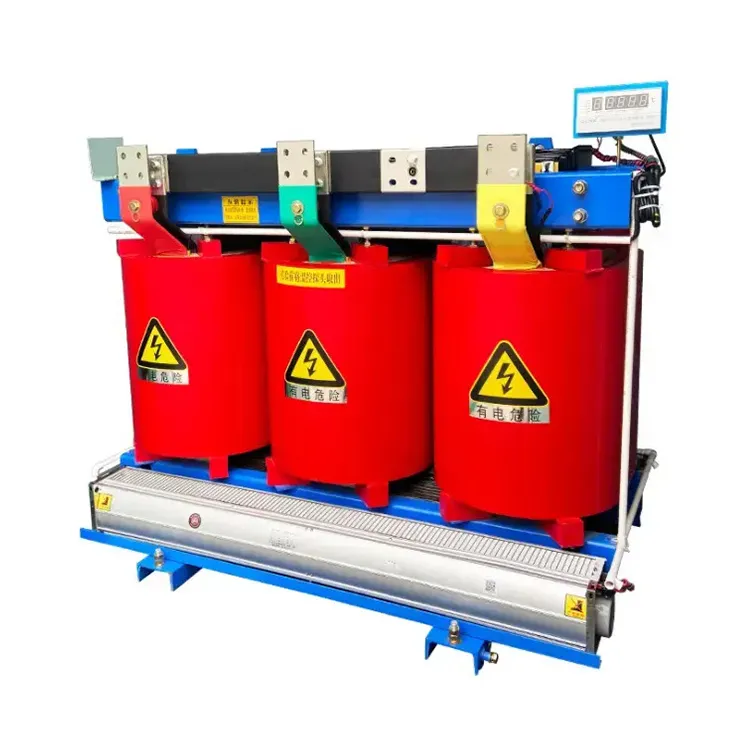
The goal is not to diagnose every condition during a routine walk-through. A better goal is to capture observations that can be compared with approved drawings, prior records, and the manufacturer information for the installed unit.
For a dry power transformer, the checklist normally connects three questions: is access controlled, does the room allow the equipment to operate as designed, and has anything visibly changed since the last documented review? The related cast resin maintenance guide gives additional context for project teams reviewing dry-type equipment.
Important: Follow the IEC 60076-11 dry-type transformer context together with the site isolation, access-control, and safety procedure before opening panels, touching conductors, removing covers, or starting cleaning work. A visual observation is not permission for live electrical work.
Start with the record, not the equipment. Confirm the asset identifier, location, approved work boundary, and the person responsible for the inspection. If the site procedure requires isolation, lockout, or a permit, record that status before proceeding.
Use the approved drawings to identify which equipment is in scope. The label on an enclosure may not show later project changes to feeders, protection settings, or cable routes. Where the inspection is part of a handover or shutdown, note which findings must be passed to the project engineer.
| Checkpoint | Record | Why it matters |
|---|---|---|
| Asset identification | Nameplate reference and location | Keeps observations tied to the correct unit |
| Access condition | Permit, isolation, or site procedure reference | Avoids assuming routine access is safe |
| Work boundary | Covers, panels, and adjacent equipment in scope | Helps prevent an incomplete observation |
| Baseline documents | Approved drawing and previous inspection record | Makes later comparison possible |
Once the approved access conditions are in place, look for changes rather than trying to infer a fault from one sign. Record dust accumulation, blocked air paths, staining, loose hardware visible from the permitted boundary, unusual odour, vibration, or a change in sound reported by operations staff. Describe the location and condition plainly, and add dated photos only where site rules allow them.
Air movement deserves its own line in the checklist. Room louvres, filters, clearances, and nearby stored materials can affect the operating environment. For design context, see dry type transformer ventilation requirements; final corrective action should still follow the approved project documentation.
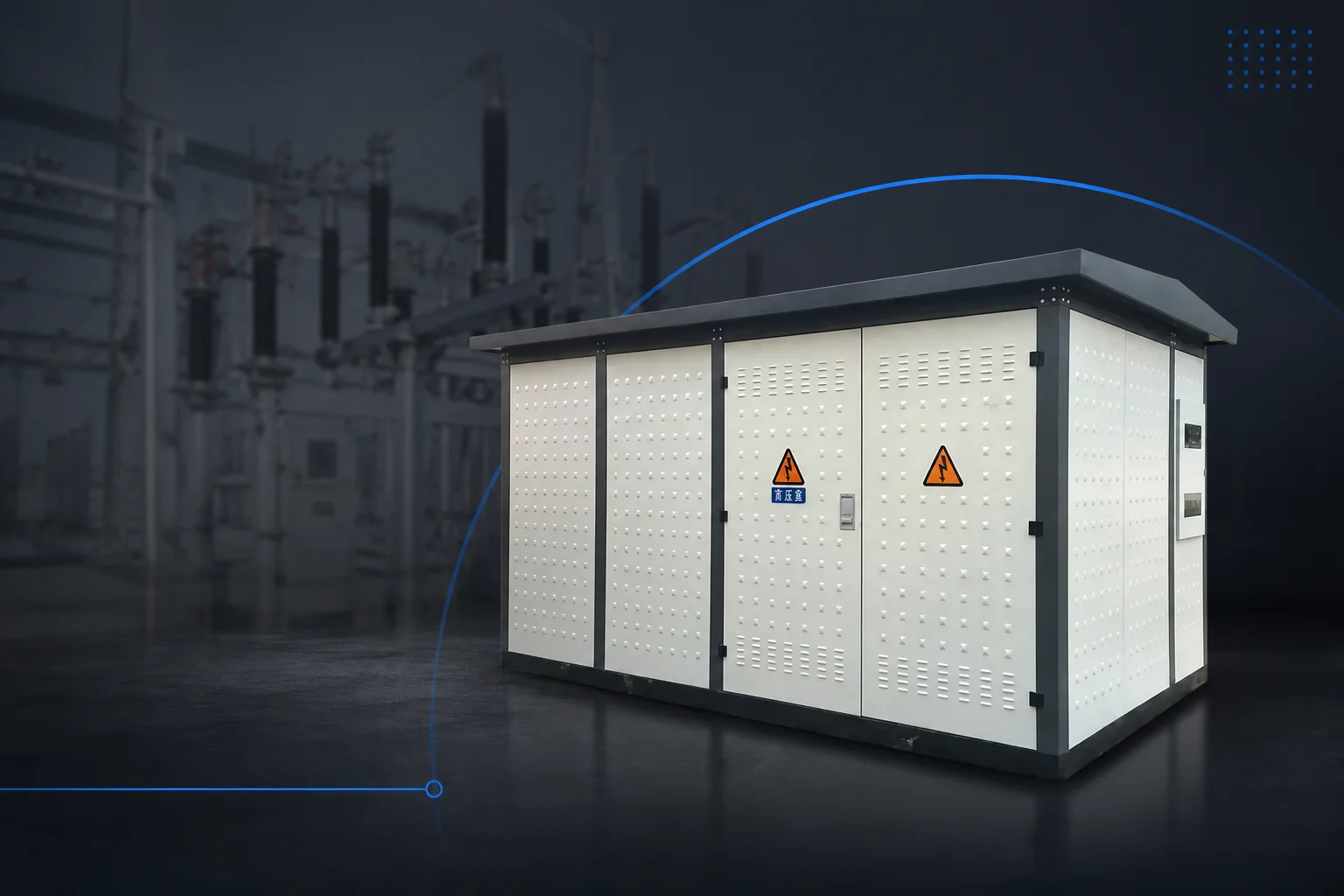
A concise record is more useful than a vague statement that the transformer was “checked.” The same fields should appear each time so a facility team can compare the location, condition, response, and open actions.
| Record field | Example of a useful entry | Send with engineering review? |
|---|---|---|
| Date and inspector | Date, role, and asset location | Yes |
| Room and access condition | Vent opening clear; access route unobstructed | Yes when conditions changed |
| Visible condition | Dust noted near lower enclosure area; no conclusion recorded | Yes if recurring or unusual |
| Operating observations | Sound or temperature concern reported by operations | Yes |
| Action owner and due date | Cleaning review assigned under site procedure | Yes when work affects availability |
| Supporting documents | Drawing revision, prior record, allowed photographs | Yes |
This format also helps procurement and service teams ask better follow-up questions. It distinguishes an observation from a specification change and keeps unverified technical conclusions out of the work order.
Some observations should not be closed as routine housekeeping. Escalate a finding when it indicates a changed operating environment, a possible electrical concern, a mismatch with the approved drawing, or a condition outside the scope of the inspection team.
Examples include repeated reports of unusual temperature or sound, damaged or contaminated accessible insulation surfaces, restricted ventilation that cannot be corrected under the site procedure, or uncertainty about the installed rating or protection arrangement. The next step is qualified review, not an unsupported diagnosis.
Before energization after a shutdown or modification, coordinate the maintenance record with the relevant 11kV transformer selection guidance. Test scope, acceptance criteria, and responsibility must come from the approved project plan.
The inspection checklist should sit beside—not replace—the project documents. Keep the current single-line diagram, product documentation, maintenance records, approved change notices, and the site procedure that governed access. If a vendor or engineer is asked to review a condition, provide the record in a form they can compare with the original project basis.
| Document | Use in the maintenance workflow | Send with engineering review |
|---|---|---|
| Approved single-line diagram | Identifies the equipment and electrical context | Yes |
| Nameplate or approved data sheet | Confirms the installed reference | Yes |
| Previous inspection records | Shows whether a condition is new or recurring | Yes |
| Site access or isolation procedure | Defines what routine staff may do | When relevant |
| Change notice or commissioning record | Explains modifications after the original handover | Yes |
For an early catalogue review, Shenheng Power lists a 6kV/10kV cast resin dry type transformer that can be discussed alongside the broader dry type transformer category. Use the product page as a starting point for an engineering conversation, not as a replacement for project documentation.
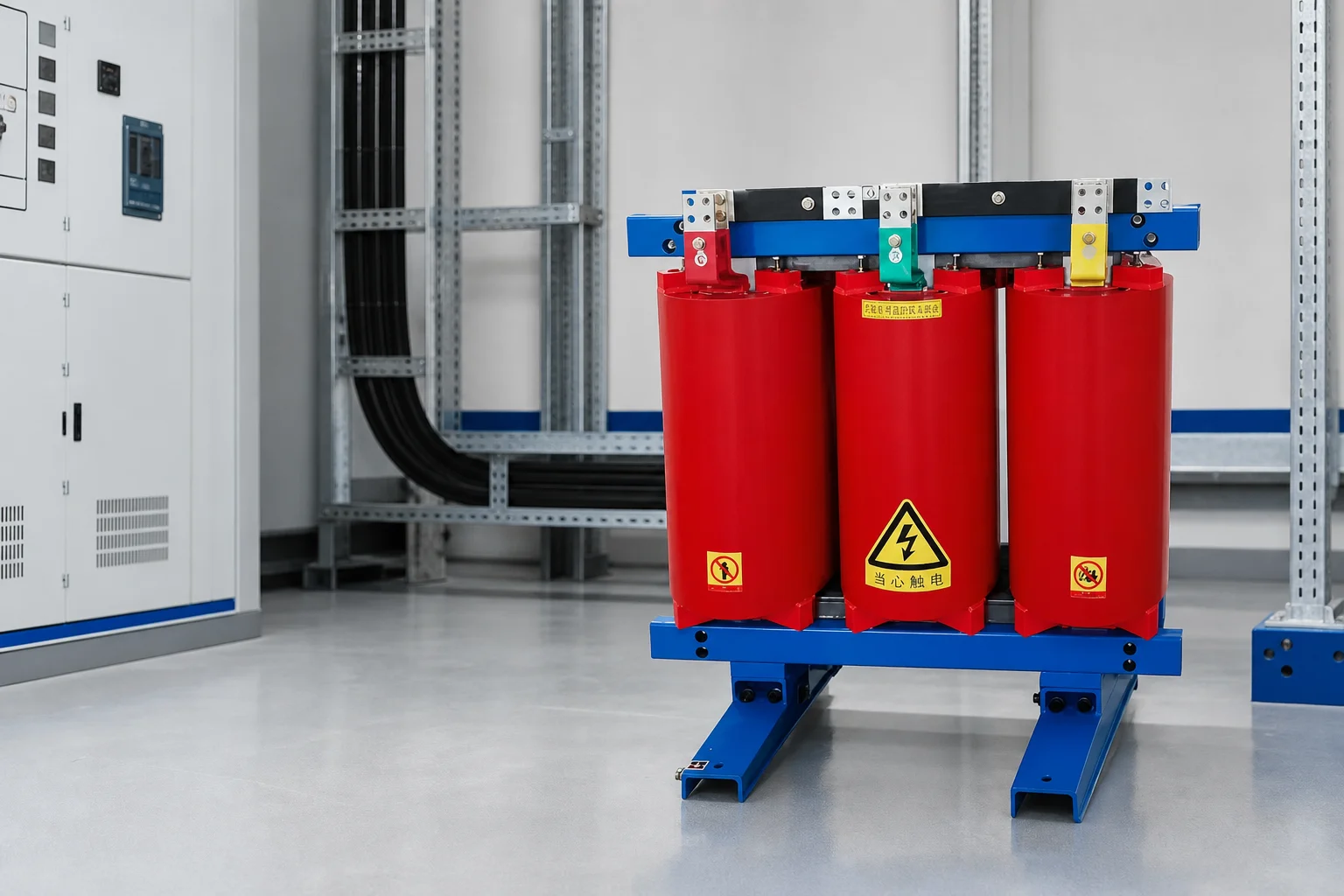
This checklist is appropriate for teams organising routine observations and maintenance records. It is not suitable for determining fault causes, approving energized work, or selecting a replacement transformer without voltage, capacity, environment, fault-duty, and drawing review.
To request a project discussion or RFQ, contact Shenheng Power with the asset reference, required voltage and capacity, installation environment, current documentation, and the condition that needs review.
There is no universal interval that fits every installation. Set the inspection plan from the approved site procedure, operating environment, equipment documentation, duty pattern, and any change observed by the facility team.
Confirm the permitted work boundary, isolation or access procedure, cleaning method, and the areas that may be approached. Do not treat a routine cleaning task as permission to work on energized or inaccessible electrical parts.
Restricted ventilation, dust, ambient conditions, load changes, and connection or design issues can all require review. Record what was observed and ask a qualified engineer to assess it against the approved design rather than assigning a cause from a single symptom.
Facility staff can complete observations within their training and site procedure. Any action beyond that boundary—especially electrical testing, fault assessment, or work near energized parts—should follow the site’s qualified-person requirements.
Include the asset reference, date, location, access condition, visible observations, operating reports, documents reviewed, action owner, and due date. This lets later reviewers compare the record with prior observations and project documents.
Escalate when a condition is unusual, repeated, outside the approved work scope, associated with a changed environment, or inconsistent with the available drawings or equipment documentation.