Transformer Oil Total Sulfur Test: Method and Meaning
Release Time: 2026-10-29
A transformer oil total sulfur test reports the amount of sulfur measured in a specimen by a specified analytical method. It does not identify individual sulfur compounds and cannot, by itself, classify an oil as corrosive or noncorrosive. A useful review checks the oil matrix, method applicability, concentration units, reporting limit and calibration basis before comparing results. The total is a chemical characterization result: its value lies in answering a defined specification or investigation question, not in becoming a universal transformer health score.
This guide explains how buyers and maintenance teams can review mineral insulating oil reports. It focuses on method selection and interpretation, while laboratory procedures and equipment sampling remain the responsibility of qualified personnel. No general concentration threshold in this article authorizes continued service or chemical treatment.
What total sulfur includes and leaves unresolved
“Total” refers to the sulfur determined by the stated method within its applicable scope. It does not mean that every sulfur-bearing molecule has been identified separately. A report may therefore give a single concentration without describing the distribution of compounds responsible for it.
That distinction matters because chemical amount and chemical behavior are different questions. A compound-specific DBDS analysis, a corrosive sulfur behavior test and a total sulfur measurement produce different kinds of evidence. Combining their names in a request form can lead to the wrong laboratory service being ordered.
Before requesting analysis, write down the decision it is meant to support. Examples include comparing a delivered batch with a contract requirement, investigating a change after oil replacement or characterizing a liquid for a broader study. If the real concern is corrosive behavior, ask explicitly for the appropriate complementary assessment.
Understand the measurement principle and its limits
Energy dispersive X-ray fluorescence is one approach used for sulfur analysis in petroleum materials. The official ASTM D4294 scope describes the method’s applicable materials and emphasizes matching or accounting for differences between sample and calibration matrices. A laboratory should confirm suitability for the actual insulating liquid and concentration range rather than assuming that every petroleum method fits every transformer oil question.
The standard’s scope and precision information should not be converted into an equipment acceptance limit. Analytical capability tells the reviewer what a method can determine under specified conditions. Acceptance criteria tell the parties what result is required for a particular use; those criteria need their own contractual or engineering basis.
Ask the laboratory what its stated reporting limit means for this specimen. If the decision depends on concentrations close to that limit, discuss uncertainty and method suitability before interpreting small differences as meaningful changes.
รายงานรายการ
Reason to check it
Useful follow-up question
Liquid identity
Matrix differences can affect method applicability
Was this oil family covered by the laboratory’s procedure?
Method and edition
Different procedures may have different performance
Can this result be compared with the earlier report?
Units and reporting limit
A limit statement is not a measured zero
Can the analysis resolve the specified decision?
Calibration or dilution notes
Preparation can affect interpretation
Were matrix effects and dilution accounted for?
Acceptance reference
A method scope is not a service threshold
Which agreed document defines conformity?
This table is a report review checklist. It intentionally contains no generic pass or fail concentration because the method, liquid and intended use must be defined first.
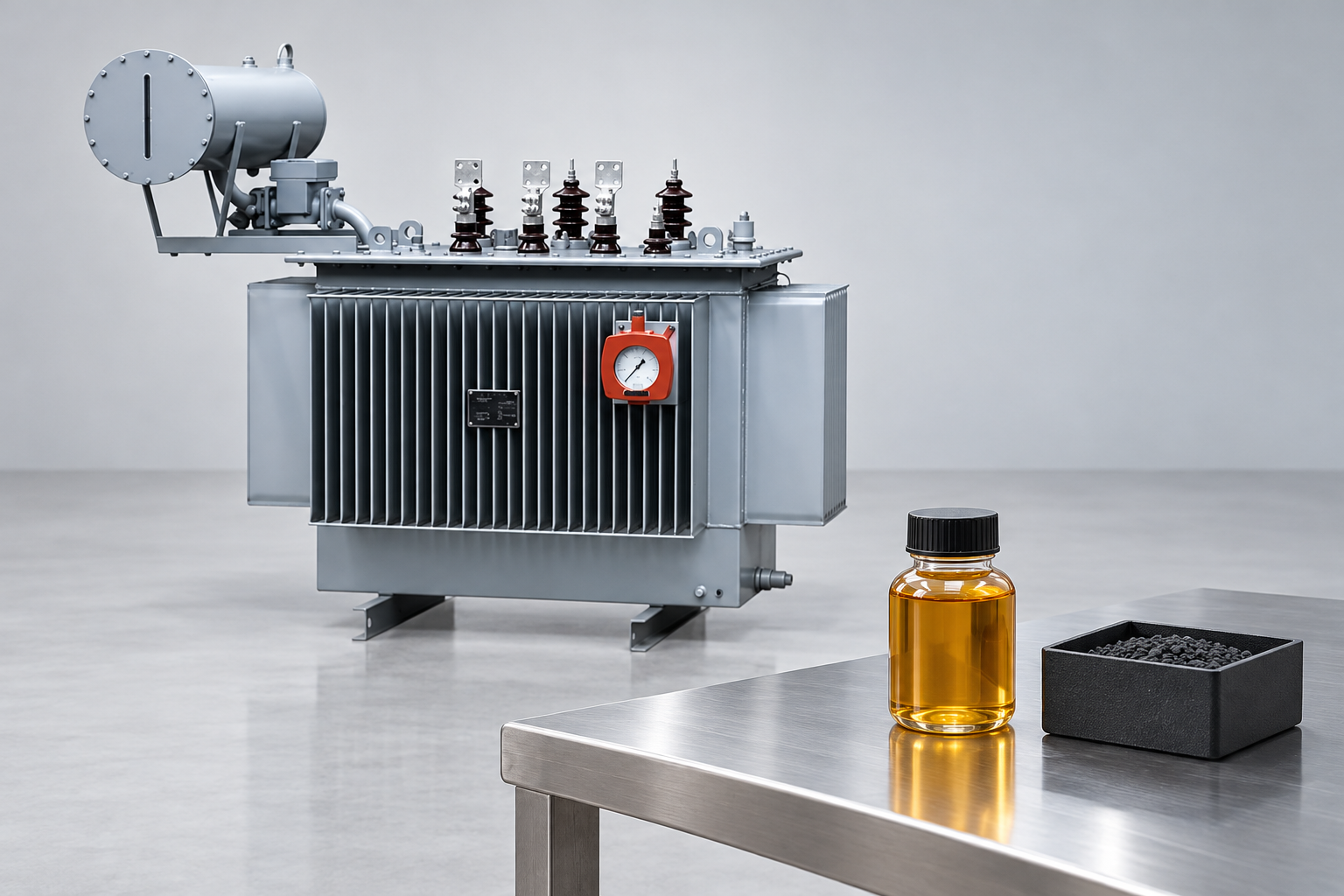
Conceptual illustration of checking specimen identity and analytical documentation.
Keep corrosive sulfur and DBDS separate
A corrosive sulfur report describes behavior under the named test conditions. It does not become redundant because a total sulfur number is available. Likewise, a lower total sulfur result does not automatically establish better behavior in an individual transformer.
A compound-specific investigation asks whether a named substance is present and how much was measured. The public scope of IEC 62697-1 identifies DBDS as such a target. That is a distinct question from the elemental total. Requesting the right test prevents an apparently detailed certificate from answering the wrong concern.
If multiple tests disagree with a simple expectation, keep the evidence together and ask the laboratory or specialist to explain the difference. Do not select the most favorable result and label the oil acceptable without the agreed assessment.
Define the sample population before comparing batches
A tanker delivery, a storage tank, a new transformer after filling and an in-service transformer are different sample populations. Record exactly which one each certificate represents. A supplier’s batch result can support supply traceability, but it does not automatically characterize the final liquid after residual oil, top-ups or processing have changed the contents.
For a delivery dispute, agree whether the question concerns the supplied batch or the oil now inside the equipment. Those questions may require different retained specimens and different records. Clarifying the population avoids a circular argument in which both parties have valid results for different liquids.
Use the established oil sampling and identification process. The laboratory should specify containers, handling and any preparation requirements. Qualified personnel must determine safe access and the equipment procedure; a chemical characterization guide cannot provide that authorization.
Make a trend comparable before interpreting it
Build a record that includes the method, laboratory, units, limit and oil identity for every entry. Preserve the full reports and mark any change in method. A series that mixes methods without comment may suggest a trend that actually reflects a change in analysis.
Review oil replacement, top-up and transfers between samples. A changed total can reflect a changed mixture. That possibility does not prove dilution was the cause, but it provides a specific hypothesis that can be checked against batch and quantity records.
When a result is below a reporting limit, retain the limit and qualifier. Do not plot it as an exact zero or use it as a precise denominator in a percentage-change calculation. If a later result is measurable, the earlier limit statement may support only a bounded comparison.
For small changes, request the laboratory’s advice on uncertainty and comparability. A difference in the last reported digit is not automatically evidence of a chemical event. Repeated, comparable measurements generally provide a stronger basis for interpretation than an isolated pair of numbers without context.
Respond to an unexpected total sulfur finding
Start with the administrative checks: correct asset, correct specimen, correct method and correct unit. Verify whether the report concerns total sulfur or a particular sulfur compound. Similar terminology on a dashboard can conceal a fundamentally different test.
Next discuss the finding with the laboratory. Ask whether the sample matrix, preparation, calibration and reporting range were appropriate. If the finding could affect purchase acceptance or maintenance, agree a confirmation plan with the responsible engineer. Preserve the first result rather than overwriting it when a later result arrives.
Finally decide which additional evidence is needed. A question about corrosive behavior may require a behavior test; a question about DBDS requires compound-specific evidence. Repeating total sulfur analysis alone may improve confidence in the total while leaving the original risk question unanswered.
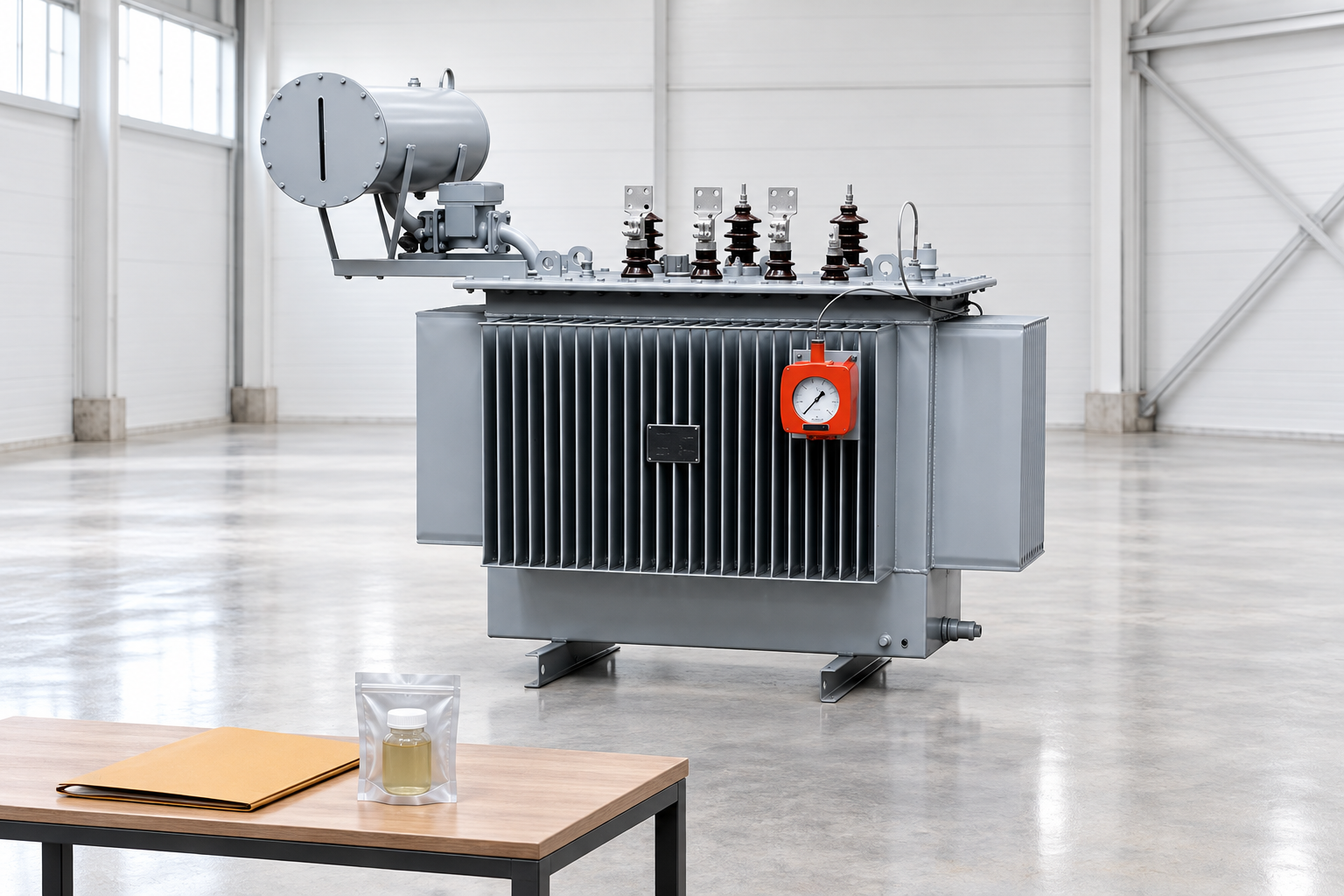
Conceptual reference-based illustration of connecting a laboratory report with the equipment record.
Use the number in a wider oil assessment
Total sulfur should not displace tests that address other oil properties. Moisture, dielectric performance, acidity and additive condition answer different questions. Select the programme around the liquid, equipment history and owner’s maintenance requirements rather than ordering every available test without a decision purpose.
For example, an oxidation stability assessment concerns resistance to specified oxidation conditions. It is not a substitute for sulfur characterization, and sulfur characterization does not replace it. Keep the relationship between each measurement and its decision clear in the maintenance file.
Do not infer solid insulation condition, remaining life or an internal fault location from the total alone. If other evidence raises an equipment concern, escalate it through the established diagnostic process. The elemental number is supporting information, not a complete diagnosis.
What to agree when buying a transformer
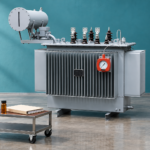
สำหรับ oil immersed power transformer, establish the offered liquid identity and required certificate package during procurement. Product photographs show the equipment appearance; they cannot establish sulfur content, oil formulation or compliance with a laboratory criterion.
Use the broader transformer selection checklist to keep chemical documentation alongside electrical and service requirements. If total sulfur is contractually relevant, identify the method, sampling stage, acceptance reference and dispute process before shipment.
A concise handover record should state what the result supports and what it does not address. That makes the certificate usable by the operating team without encouraging them to treat one chemical value as a complete equipment guarantee.
Further learning: quantitative XRF
The NPTEL IIT Guwahati lecture below discusses quantification in XRF and XPS spectroscopy. It provides background on analytical interpretation and calibration. It is not a transformer oil test demonstration, an ASTM D4294 operating procedure or evidence of a tested Shenheng product.
No. An elemental total does not identify the compounds or establish their behavior under a corrosive sulfur test.
Can total sulfur analysis identify DBDS?
No. DBDS requires a compound-specific method. A total sulfur result cannot allocate the measured sulfur to individual molecules.
Can two laboratories’ results be compared directly?
Only after checking method, matrix, units, reporting limits and relevant uncertainty. Ask the laboratories about comparability before interpreting a difference.
Does a below-limit result mean zero sulfur?
No. It means the laboratory could not report a concentration above the stated limit under that method. Retain the qualifier with the result.

 บริษัท เสินเฮิง พาวเวอร์ อีควิปเมนท์ จำกัด.