Компания Shenheng Power с 2001 года является надежным производителем оборудования для передачи и распределения электроэнергии, поставляя надежные электротехнические решения по всему миру.
Опираясь на комплексную систему послепродажного обслуживания, мы предоставляем экспертные технические консультации, рекомендации по продукции и гибкие услуги OEM и ODM для ваших проектов.
Компания Shenheng Power с 2001 года является надежным производителем оборудования для передачи и распределения электроэнергии, поставляя надежные электротехнические решения по всему миру.
Dry Type Transformer Vibration Isolation Pad Replacement: Check the Support System
Release Time: 2026-11-14
Dry type transformer vibration isolation pad replacement should begin with the approved mounting arrangement, not a choice of rubber thickness. Identify whether the part supports the core-and-coil assembly, the enclosure or the complete transformer, then confirm the original spare specification and the equipment interfaces affected by replacement. Similar-looking pads can have different load and movement characteristics. This guide helps an owner prepare an engineering and purchasing review. It does not prescribe a universal pad material, lifting method, bolt adjustment or noise reduction result. Any physical work requires competent personnel, an approved safe system of work and instructions for the particular transformer.
Identify which isolation interface is involved
An external pad beneath a complete unit performs a different role from a factory-installed element between an active assembly and its supporting frame. A resilient washer at a fixing is another distinct component. Start by marking the location on the manufacturer’s drawing and identifying what mass the part actually carries. Do not infer that every visible support in a photograph is an isolation element.
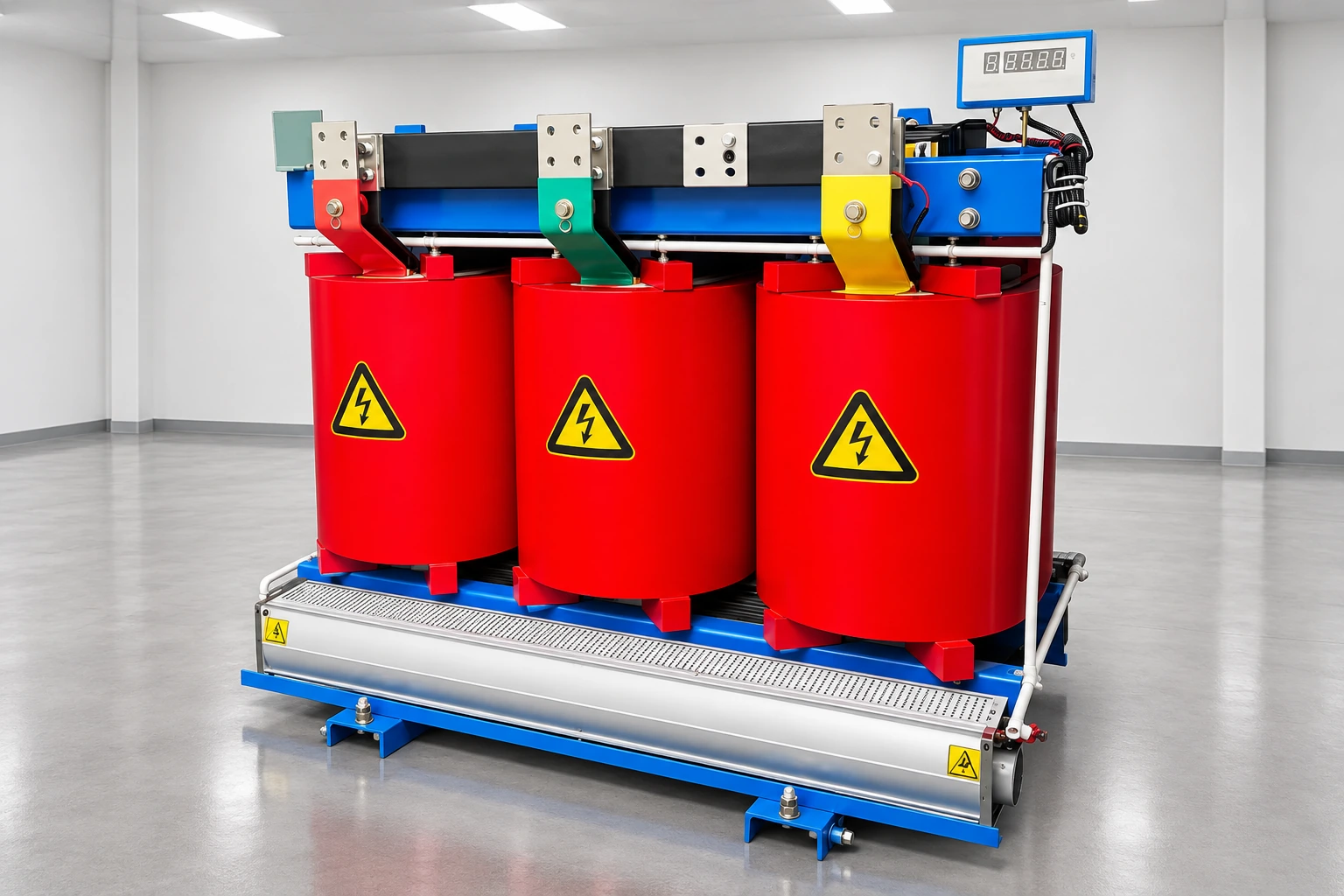
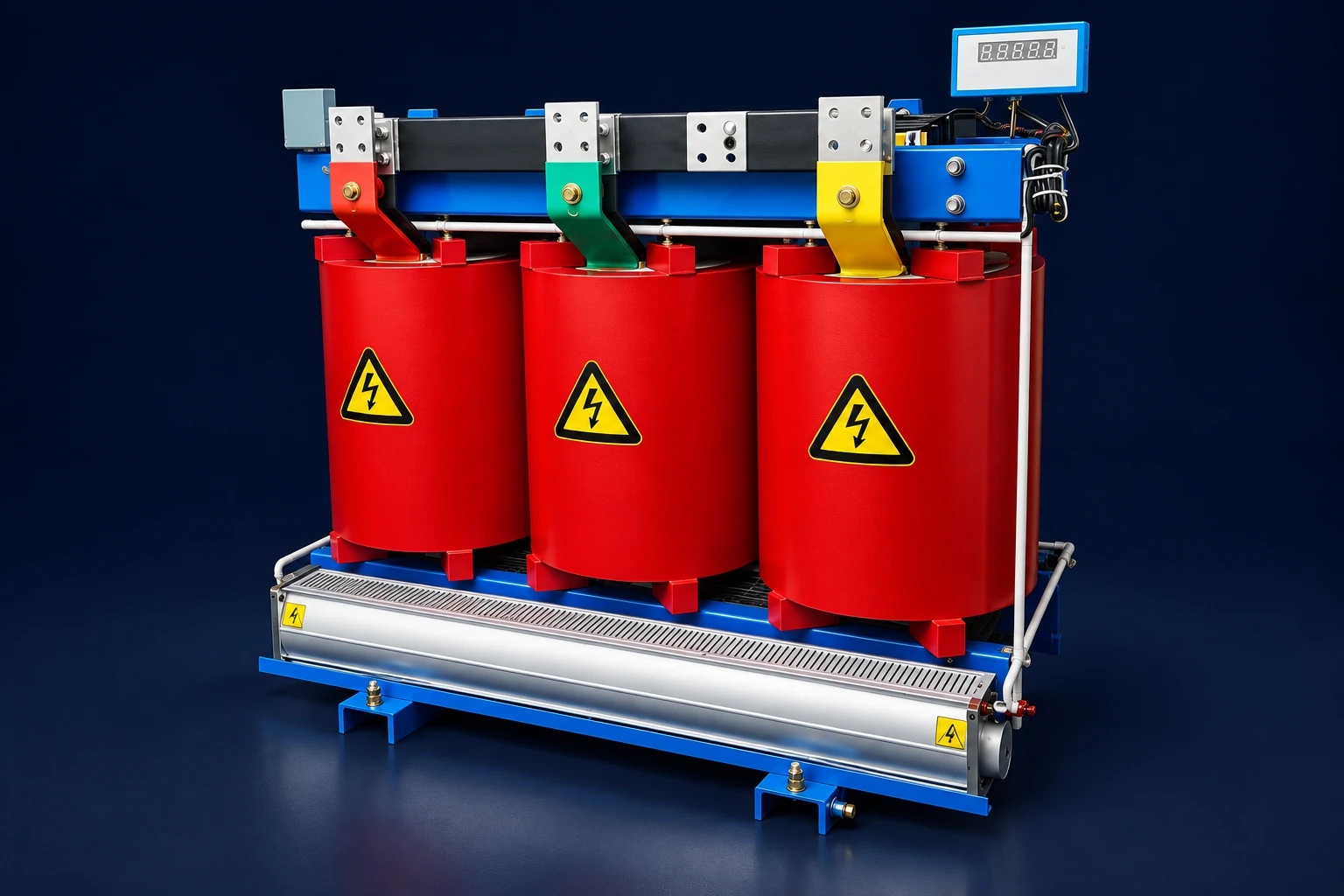
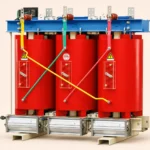
The three-phase cast resin dry transformer provides the relevant Shenheng product context. Its visible coils, frame and base help identify the equipment family, but the product image does not specify the material, rating or arrangement of hidden support parts. For a replacement request, provide the installed unit’s serial number, drawing revision and any previous modification record. Ask the manufacturer whether an approved spare exists for that configuration.
If the proposed work changes from an original replacement to adding new isolation, treat it as an installation design review. A new resilient layer can change elevations, movements and restraint interfaces. Purchasing should not describe that change as a routine equivalent spare. Record the intended function, responsible designer and acceptance criteria before ordering material.
Иллюстрация изделия для справки, основанная на изображении продукции Shenheng; не является фактической записью о техническом обслуживании, испытаниях или объекте заказчика.
Find the reason for replacement before choosing a pad
Record what prompted the request: visible deterioration reported during inspection, a missing component, a maintenance finding or a change in noise. These observations do not all lead to the same repair. Noise heard in a room does not prove that a pad is defective. The responsible team should distinguish the condition of the support from other mechanical or electrical contributors using an appropriate inspection plan.
Describe the operating circumstances of the observation without assuming a cause. Note whether fans were operating, whether the sound changed after building work, and whether the unit had recently been moved or serviced. Keep comparable observations where available. These records can help the engineer decide whether the proposed replacement addresses the problem or merely changes one part of the installation.
Ask the manufacturer or responsible structural engineer to confirm which supports carry the installed load and how it is distributed. The overall equipment mass alone does not establish the load at every support. Accessories, enclosure construction and mounting geometry may affect the arrangement. Do not divide total mass by the number of visible feet and present the result as an approved pad selection.
The review should address the existing support surfaces, contact areas, restraint arrangement and permitted movement. A replacement should not create an unintended hard contact that bypasses the intended isolation, nor introduce movement beyond the connected equipment’s design. These are questions for the complete support system. A pad catalog cannot independently approve the transformer’s frame or building connection.
Pad properties need to be specified in the terms relevant to the design. A material name and nominal thickness may not describe behavior under the expected loading and environment. Request the original part specification or a documented engineering assessment of the proposed substitute. Keep any limitations, installation orientation and identification requirements with the purchase order rather than leaving them in an informal email.
Use outside examples only within their scope
The University of Saskatchewan master specification for dry transformers up to 600 volts includes isolation pads and mounting provisions. This is a useful example of a project specifying isolation as part of an installation. Its scope is low-voltage equipment for that university; its named products, mounting details and instructions must not be copied as a replacement specification for a Shenheng medium-voltage cast resin transformer.
The practical lesson is to obtain an equally clear project-specific record for the installed unit. When a supplier cites an example from another transformer, ask which details actually apply and which remain unverified. The following suggested review table structures that discussion without supplying design values.
Interface
Необходимы доказательства
Question before approval
Supported assembly
Equipment drawing and actual configuration
What does each isolation element support?
Load distribution
Manufacturer or engineering assessment
Is the proposed part suitable at every support?
Base and contact area
Controlled dimensions and surface condition
Will the element seat as designed?
Restraints and anchors
Approved fixing and movement arrangement
Are stability and restraint functions retained?
Cables and connections
Route, flexibility and connection details
Can connected services accommodate the approved movement?
Earthing path
Protective connection drawing
cURL Too many subrequests by single Worker invocation. To configure this limit, refer to https://developers.cloudflare.com/workers/wrangler/configuration/#limits
cURL Too many subrequests by single Worker invocation. To configure this limit, refer to https://developers.cloudflare.com/workers/wrangler/configuration/#limits
cURL Too many subrequests by single Worker invocation. To configure this limit, refer to https://developers.cloudflare.com/workers/wrangler/configuration/#limits
cURL Too many subrequests by single Worker invocation. To configure this limit, refer to https://developers.cloudflare.com/workers/wrangler/configuration/#limits
Acceptance
cURL Too many subrequests by single Worker invocation. To configure this limit, refer to https://developers.cloudflare.com/workers/wrangler/configuration/#limits
cURL Too many subrequests by single Worker invocation. To configure this limit, refer to https://developers.cloudflare.com/workers/wrangler/configuration/#limits
cURL Too many subrequests by single Worker invocation. To configure this limit, refer to https://developers.cloudflare.com/workers/wrangler/configuration/#limits
cURL Too many subrequests by single Worker invocation. To configure this limit, refer to https://developers.cloudflare.com/workers/wrangler/configuration/#limits.
cURL Too many subrequests by single Worker invocation. To configure this limit, refer to https://developers.cloudflare.com/workers/wrangler/configuration/#limits.
For installation context, the dry transformer clearance guide explains why room layout and access require separate attention. A proposed mounting change should be checked against that project layout, including the enclosure if fitted. General guidance in the dry transformer EPC buying guide helps organize procurement, but final approval still depends on the installed unit and its support design.
Иллюстрация изделия для справки, основанная на изображении продукции Shenheng; не является фактической записью о техническом обслуживании, испытаниях или объекте заказчика.
Plan safe unloading of the support
Replacing a load-bearing component may require the equipment or assembly to be supported in another approved way. That operation is an engineering task in its own right. Do not pull out a pad beneath an unsupported unit, assume a frame member is a lifting point or use packing pieces selected on site without approval. Establish how the load will be controlled before the original support is disturbed.
The HSE guidance on working on electrical equipment addresses competent people, planned work and secure isolation of energy sources. A transformer support job can involve both electrical and mechanical hazards, so the work plan must address the whole activity. It should identify the authorized team, approved lifting or support arrangement and what findings require engineering review.
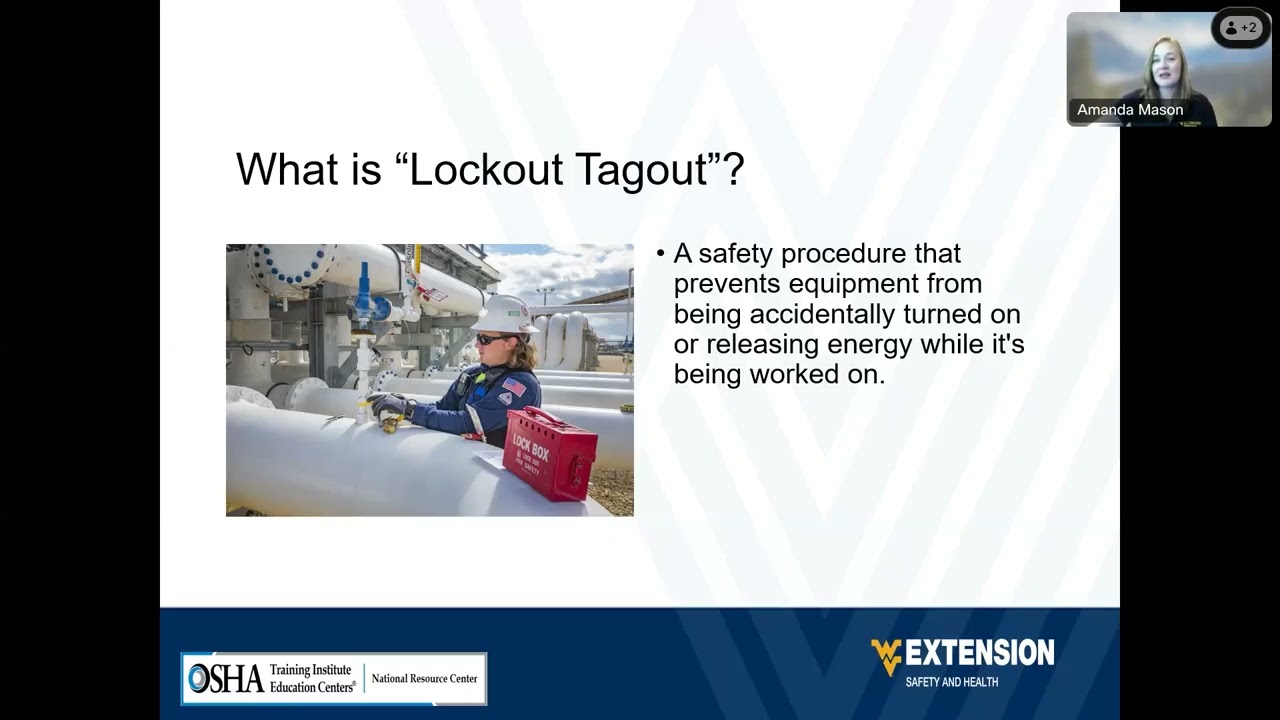
This government video explains hazardous-energy control as background for that planning discussion. It does not teach transformer lifting, validate a particular isolation pad or replace the site’s electrical safety rules. Any electrical switching and mechanical support work must follow the applicable equipment and site procedures.
Дополнительное обучение: Защита безопасности и здоровья – блокировка и метка — Министерство труда России. Публикация на YouTube.
Set acceptance criteria before the outage
The work pack should identify the exact replacement part, the drawing used and the checks needed before release. Record the condition of supporting surfaces, the final arrangement and any differences from the expected configuration. Missing documentation or unexpected damage should trigger a decision by the designated technical authority, rather than an improvised adjustment to keep the outage short.
If reduced noise is an objective, agree how it will be assessed. Compare observations under sufficiently similar operating and room conditions, using an appropriate method. A subjective report that the unit “sounds better” can be useful feedback, but it does not establish compliance with a specified acoustic limit. Do not promise a numerical reduction from a pad replacement without an applicable design and measurement basis.
Keep the installed part identity, inspection records and approval in the equipment history. Include any required follow-up under the manufacturer’s maintenance plan. This gives future teams a reliable starting point and prevents a later supplier from copying an undocumented modification. The best procurement outcome is a verified support arrangement with a traceable spare and clear acceptance evidence, whether the decision is to replace the original part or to investigate another cause first.
Часто задаваемые вопросы
Can a thicker pad always reduce transformer noise?
No. Thickness alone does not establish suitable isolation or structural support. Selection must account for the actual support arrangement and approved design. A change can affect movement and connected interfaces.
Are internal and external isolation pads interchangeable?
Do not assume so. They may support different assemblies and have different fixing, loading and environmental requirements. Identify the original location and part specification before requesting a replacement.
Can a low-voltage transformer pad specification be copied to a medium-voltage unit?
It cannot be treated as approval for a different unit. A published example can suggest useful questions, but the installed transformer’s manufacturer or designated engineering authority must confirm applicability.
What should be included in a spare request?
Provide the equipment identity, drawing revision, pad location, observed condition and existing mounting details. Request the approved part and installation instructions, with explicit review of substitutions and acceptance requirements.
Компания Shenheng Electric Power стремится стать мировым лидером в области решений для энергетического оборудования, помогая клиентам обеспечивать безопасное, эффективное и экологичное управление электроснабжением.

 Шэньхэн Силовое Оборудование Ко., Лтд.