As global electricity demand continues to grow, power infrastructure is undergoing significant transformation. The expansion of renewable energy, electric vehicle (EV) charging networks, industrial automation, and AI-driven data centers requires power distribution systems that are faster to deploy, more reliable, and easier to maintain.
Traditionally, power substations have been constructed through extensive on-site civil engineering and equipment installation. While conventional substations provide excellent customization for large-scale grid projects, they often involve long construction cycles, complex coordination, and high site requirements.
Prefabricated substations provide a more flexible alternative by integrating electrical equipment into factory-assembled modules. With advantages such as shorter installation periods, standardized manufacturing, and reduced project risks, prefabricated substations are becoming increasingly important in modern power distribution projects.
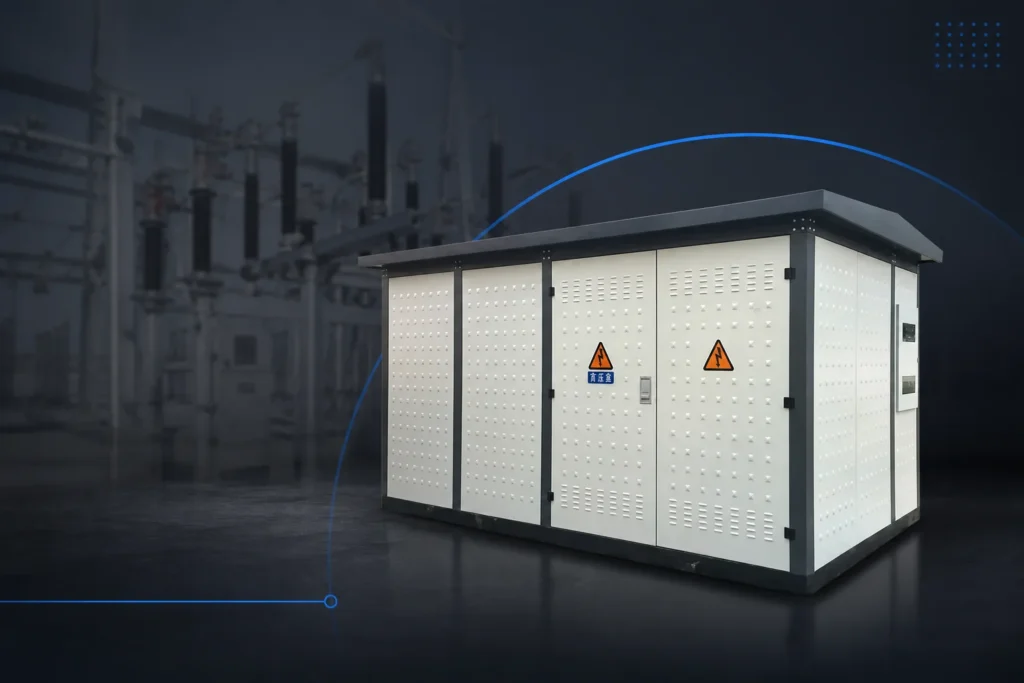
What Is a Power Substation?
A power substation is an essential part of electrical transmission and distribution networks. Its primary functions include voltage transformation, power distribution, electrical protection, and system control.
By adjusting voltage levels between generation, transmission, and consumption points, substations ensure that electricity can be delivered safely and efficiently to residential, commercial, and industrial users.
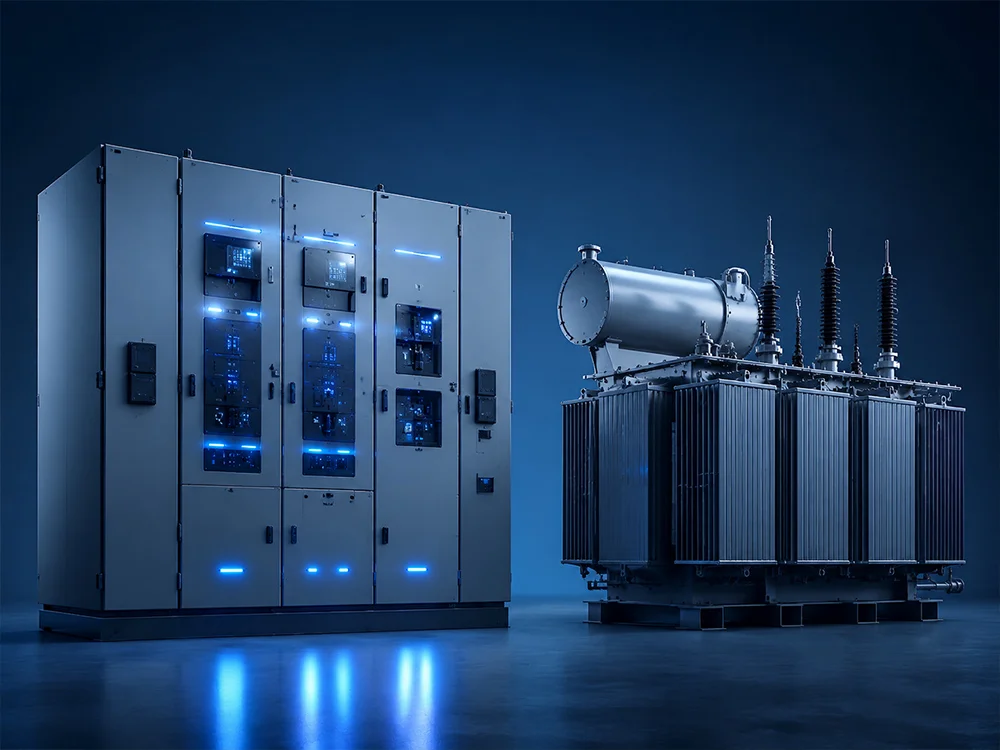
A conventional podstacja elektryczna usually includes:
Depending on their role within the electrical network, substations can be classified into transmission substations, distribution substations, industrial substations, and renewable energy substations.
Co to jest stacja transformatorowa prefabrykowana?
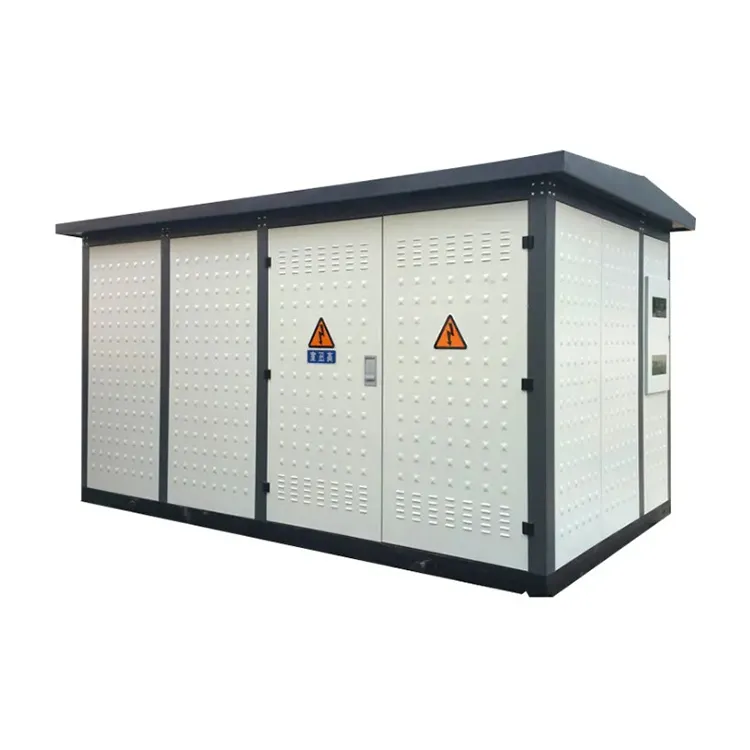
A prefabricated substation is a complete electrical distribution solution that integrates major components into a factory-built enclosure before being transported to the installation site.
Unlike traditional substations, where most assembly work is performed on-site, prefabricated substations are manufactured, wired, tested, and commissioned under controlled factory conditions.
A typical rozdzielnica prefabrykowana includes:
-
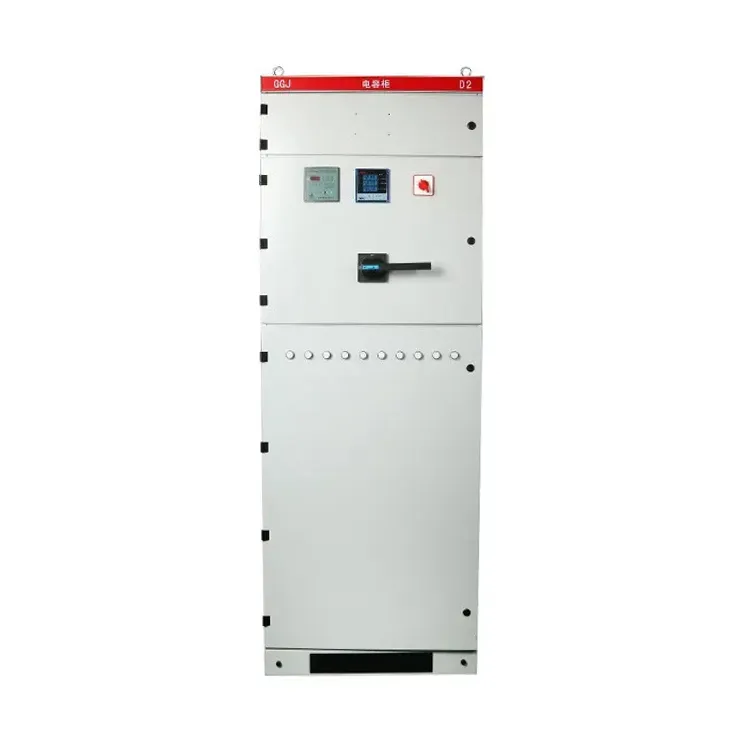
Medium-voltage switchgear
-
Distribution transformer
-
Low-voltage switchgear
-
Protection and control systems
-
Auxiliary power systems
-
Metal enclosure or prefabricated housing
This modular approach reduces installation complexity and improves project efficiency.
Companies with long-term experience in power transmission and distribution equipment manufacturing, such as Shenheng Power, provide integrated solutions covering transformers, switchgear, ring main units (RMU), prefabricated substations, and related electrical components to support different power distribution requirements.
How Are Prefabricated Substations Manufactured?
The production process of a prefabricated substation generally follows:
Engineering Design → Component Manufacturing → Factory Assembly → Factory Acceptance Test (FAT) → Transportation → Site Installation → Commissioning
Factory production provides several advantages:
-
Better manufacturing consistency
-
Reduced installation errors
-
Shorter project timelines
-
Easier quality inspection
Through continuous improvement in production capability and technical development, manufacturers can provide standardized and reliable prefabricated solutions while still meeting project-specific requirements.
Note: Factory Acceptance Test (FAT) is a critical quality control step before shipment. It allows manufacturers to verify electrical performance, wiring accuracy, protection functions, and system integration under controlled conditions.
Prefabricated vs. Containerized vs. Compact Substation: What Is the Difference?
Although these terms are sometimes used interchangeably, they represent different design concepts.
| Type |
Main Characteristics |
Typowe zastosowania |
| Transformatorownia prefabrykowana |
Factory-integrated modular power system |
Industrial projects, renewable energy |
| Containerized Substation |
Equipment installed inside transportable containers |
Remote areas, temporary power |
| Compact Substation |
Small-footprint integrated distribution unit |
Urban distribution networks |
A prefabricated substation focuses on system integration and rapid deployment, while containerized solutions emphasize mobility and relocation capability.
Power Substation vs. Prefabricated Substation: Key Differences
The selection between traditional and prefabricated substations depends mainly on project scale, installation conditions, timeline requirements, and future expansion plans.
| Comparison Factor |
Traditional Power Substation |
Transformatorownia prefabrykowana |
| Construction Method |
Mainly built on-site |
Factory assembled |
| Installation Time |
Longer construction period |
Faster deployment |
| Civil Work |
Extensive |
Reduced |
| Kontrola Jakości |
Site dependent |
Factory controlled |
| Space Requirement |
Larger footprint |
Compact design |
| Ekspansja |
Requires additional engineering |
Modular expansion possible |
| Project Risk |
Higher construction uncertainty |
Lower installation risk |
Construction and Installation Differences
Traditional Substation Construction
Traditional substations require multiple construction stages, including:
-
Site preparation
-
Civil foundation construction
-
Equipment installation
-
Cable connection
-
Protection system configuration
-
Testing and commissioning
This process provides high design flexibility but requires significant coordination between civil contractors, electrical engineers, and equipment suppliers.
Prefabricated Substation Installation
Prefabricated substations transfer most complex assembly work from the construction site to the factory.
At the project site, installation mainly involves:
-
Foundation preparation
-
Module positioning
-
Cable connection
-
Final commissioning
This reduces dependence on local construction resources and allows power systems to become operational faster.
Total Cost of Ownership: Which Solution Is More Cost-Effective?
When comparing substations, initial purchase price is only one factor. A complete evaluation should consider Total Cost of Ownership (TCO), including construction, installation, operation, and maintenance costs.
| Cost Factor |
Traditional Substation |
Transformatorownia prefabrykowana |
| Civil Construction Cost |
Higher |
Lower |
| Labor Requirement |
Higher |
Reduced |
| Installation Period |
Longer |
Shorter |
| Project Delay Risk |
Higher |
Lower |
| Maintenance Standardization |
Depends on design |
Easier |
Although prefabricated substations may require higher factory integration costs, they often provide economic advantages through faster commissioning and reduced construction risks.
Total Cost of Ownership:The complete cost of an asset throughout its lifecycle, including purchase, installation, operation, maintenance, and replacement.
Project Risk Management: Why Factory Manufacturing Matters
Large electrical projects often face challenges related to schedule control, labor availability, and equipment coordination.
Prefabricated substations help reduce these uncertainties by completing critical manufacturing processes in a controlled environment.
Factory Acceptance Testing (FAT) allows suppliers to verify:
-
Electrical connections
-
Protection settings
-
Equipment compatibility
-
System performance
For power distribution equipment suppliers, maintaining stable production capability and professional technical support is essential. Shenheng Power combines manufacturing experience, technical R&D capability, and after-sales service systems to support customers in different power distribution applications.
Modern power projects are increasingly located in challenging environments, including deserts, offshore areas, and remote industrial sites.
Renewable Energy Projects
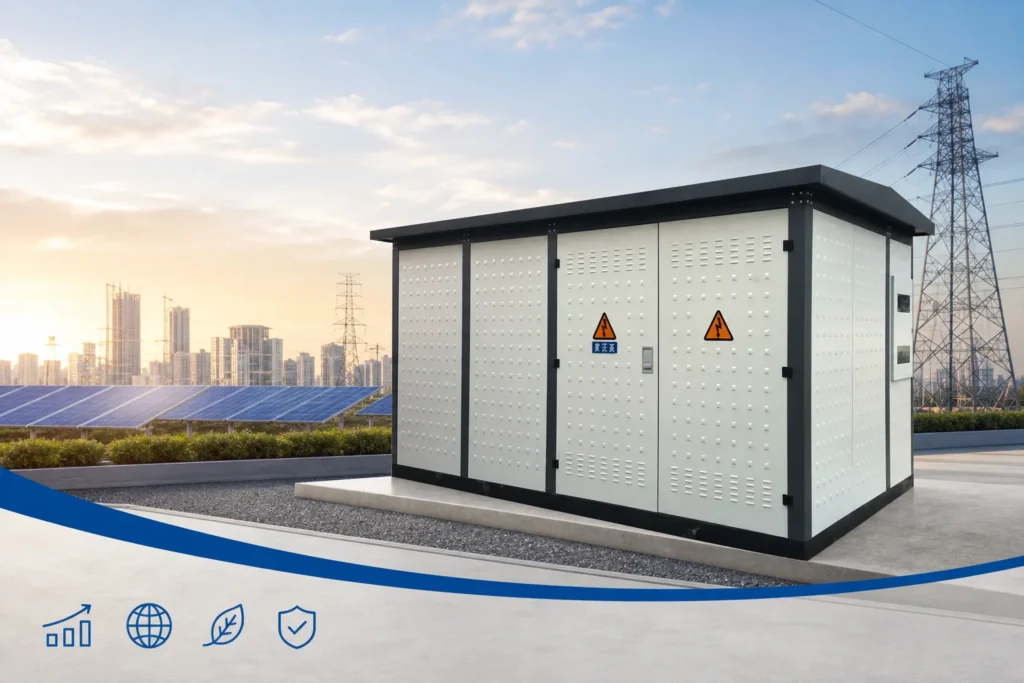
Solar and wind farms often require substations that can be deployed quickly in remote locations.
Prefabricated substations provide advantages through:
Coastal and Offshore Applications
Electrical equipment in coastal environments must withstand:
-
Salt spray corrosion
-
High humidity
-
Temperature fluctuations
Proper enclosure design, corrosion protection, and environmental control systems are important factors in ensuring long-term reliability.
Mining and Remote Industrial Applications
Mining operations require stable electricity supply in locations where traditional construction may be difficult.
Prefabricated substations are suitable because they offer:
Dlaczego prefabrykowane podstacje zyskują na popularności na rynkach wschodzących
Renewable Energy Integration
The rapid development of solar photovoltaic (PV) and wind power has increased demand for flexible grid connection solutions.
Prefabricated substations are widely used because renewable projects often require:
-
Short construction cycles
-
Standardized electrical systems
-
Remote deployment capability
Infrastruktura ładowania pojazdów elektrycznych
Fast-charging networks require reliable medium-voltage distribution systems.
Prefabricated substations support EV infrastructure by providing:
AI Data Centers and High-Density Power Demand
AI computing facilities require large-scale and highly reliable power supply.
The modular characteristics of prefabricated substations make them suitable for data center expansion where speed and scalability are critical.
The Future of Substations: Smart, Digital, and Modular Power Systems
The future of electrical infrastructure is moving toward intelligent and digitalized operation.
Key trends include:
Smart Monitoring
IoT-based monitoring systems can collect real-time information about:
-
Transformer temperature
-
Load conditions
-
Equipment status
Predictive Maintenance
Data analysis helps identify potential equipment failures before they affect power reliability.
IEC 61850 Digital Substations
Digital communication standards such as IEC 61850 improve interoperability between protection, control, and monitoring systems.
How to Choose Between a Power Substation and a Prefabricated Substation?
The selection depends on project requirements.
| Suitable for Traditional Substation |
Suitable for Prefabricated Substation |
| Large utility infrastructure |
Fast deployment projects |
| Highly customized systems |
Renewable energy projects |
| Large fixed installations |
Space-limited locations |
| Complex expansion planning |
Modular power applications |
Before selecting a supplier, project owners should consider:
-
Voltage level
-
Rated capacity
-
Installation environment
-
Protection requirements
-
Expansion plans
-
Maintenance strategy
Choosing an experienced manufacturer with comprehensive product capability can help ensure reliable project execution.
Często zadawane pytania
1. What is the difference between a power substation and a prefabricated substation?
A traditional power substation is mainly constructed on-site, while a prefabricated substation is assembled and tested in a factory before delivery. Prefabricated substations offer faster installation, compact design, and easier deployment for many modern power projects.
2. Are prefabricated substations reliable?
Yes. Prefabricated substations are designed to meet international electrical safety and performance requirements. Compliance with standards such as IEC 62271 series for high-voltage switchgear and controlgear assemblies helps ensure equipment reliability, safety, and interoperability in modern power distribution systems.
3. Is a prefabricated substation cheaper than a traditional substation?
The total cost depends on project requirements. However, prefabricated substations can reduce civil construction costs, labor requirements, and installation time, making them more cost-effective for many applications.
4. How long does it take to install a prefabricated substation?
Installation time varies depending on capacity and site conditions, but it is generally much shorter than traditional substation construction because most assembly work is completed before delivery.
5. Can prefabricated substations be used for solar farms and PPA projects?
Yes. Prefabricated substations are widely used in solar, wind, and other renewable energy projects. In PPA-based projects, reliable and fast grid connection helps renewable energy plants achieve commercial operation more efficiently.
6. What type of projects need prefabricated substations?
Prefabricated substations are commonly used for renewable energy plants, EV charging stations, industrial facilities, data centers, mining projects, and other applications requiring reliable and fast power deployment.
7. How do I choose the right substation supplier?
A reliable supplier should provide not only quality equipment but also engineering support, customization capability, testing services, and after-sales assistance throughout the project lifecycle.
8. Are prefabricated substations suitable for remote or harsh environments?
Yes. With proper enclosure design, protection systems, and environmental adaptations, prefabricated substations can be deployed in remote areas, renewable energy sites, coastal regions, and industrial environments.
Traditional power substations remain an important solution for large-scale and highly customized electrical infrastructure. However, with the increasing demand for faster deployment, modular expansion, and flexible energy systems, prefabricated substations are becoming a preferred choice for many modern applications.With more than two decades of experience in power transmission and distribution equipment manufacturing, Shenheng Power specializes in transformers, switchgear, ring main units, prefabricated substations, and related electrical solutions. Through reliable manufacturing capability, technical support, and customer-focused service, Shenheng Power helps partners build efficient and dependable power distribution systems.Looking for a reliable prefabricated substation solution for your next power project? Contact Shenheng Power today to discuss your customized electrical infrastructure requirements.
Ring Main Unit:A medium-voltage switchgear unit used in distribution networks to improve power reliability and enable fault isolation.
Bibliografia
IEC 62271 series standards for high-voltage switchgear
IEA renewable energy market analysis
IEC 61850 communication standard for digital substations

 Shenheng Power Equipment Co., Ltd.