Sinds 2001 is Shenheng Power een vertrouwde fabrikant van apparatuur voor krachtoverbrengst en -distributie en levert wereldwijd betrouwbare elektrische oplossingen.
Ondersteund door een volledig aankoopachterdrachtsysteem, bieden wij deskundig technisch advies, productbegeleiding en flexibele OEM- en ODM-diensten voor uw projecten.
Sinds 2001 is Shenheng Power een vertrouwde fabrikant van apparatuur voor krachtoverbrengst en -distributie en levert wereldwijd betrouwbare elektrische oplossingen.
Cast Resin Transformer Coil Surface Contamination: Assess the Deposit Before Cleaning
Release Time: 2026-11-20
Cast resin transformer coil surface contamination assessment should identify what is visible, where it is located and whether the evidence suggests loose deposits, moisture or possible insulation damage. A dirty-looking surface is not a diagnosis, and a clean-looking surface does not prove electrical fitness. Record the original condition before approving a cleaning method. Escalate suspected tracking, cracking, oily deposits or unexplained discoloration for manufacturer review. This article supports a maintenance assessment and quotation scope; internal access, cleaning, testing and return to service require qualified personnel working under approved electrical safety arrangements and the actual unit’s instructions.
Give the assessment a specific purpose
Start by stating the question the owner needs answered. Is a routine inspection identifying loose dust? Has contamination returned shortly after cleaning? Is there a dark mark that may be a deposit or damaged insulation? These questions require different evidence and should not all produce the same instruction to clean the coils.
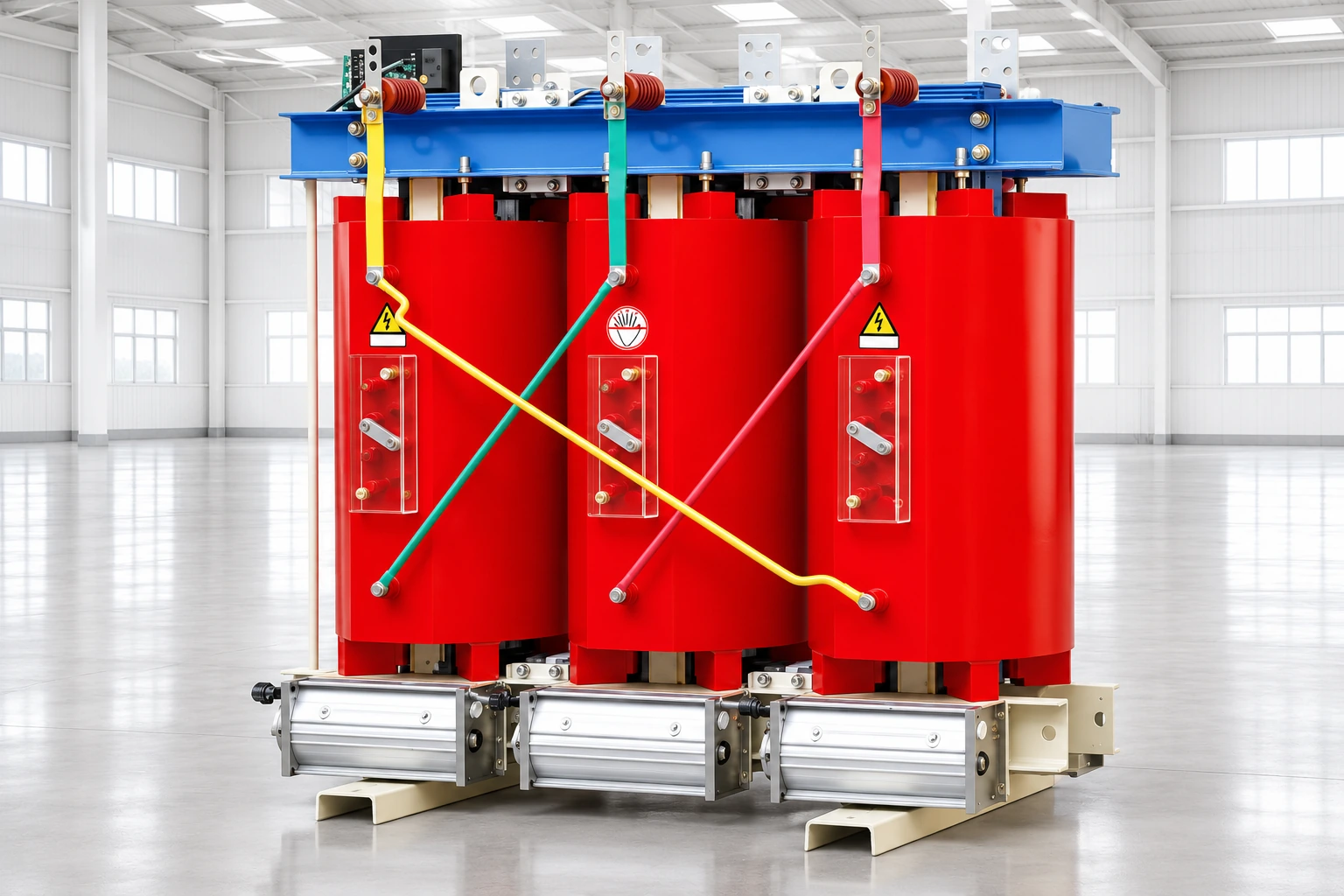
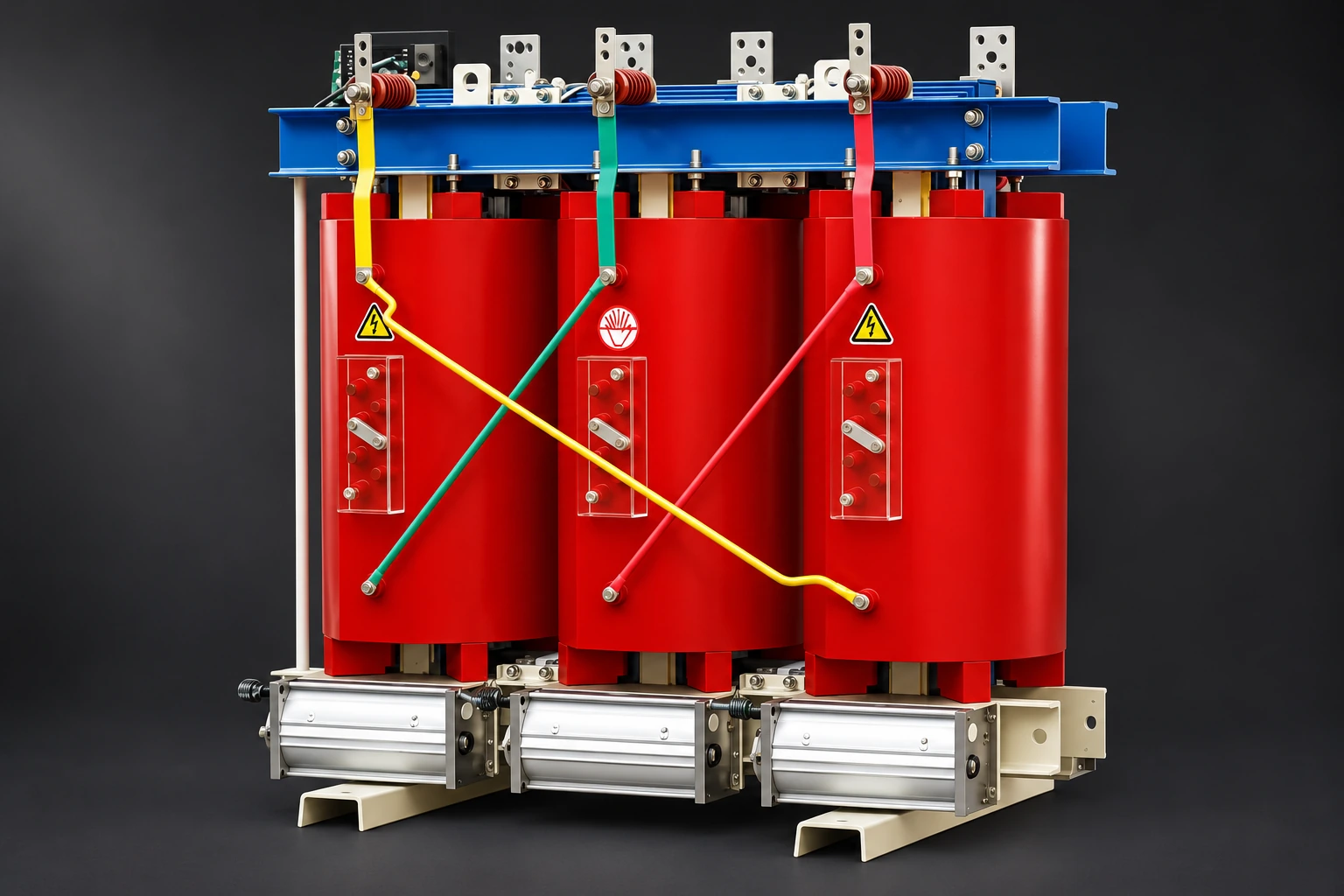
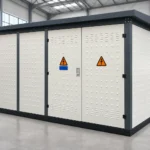
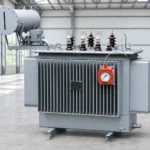
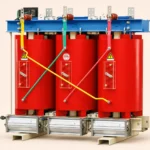
De Shenheng cast resin dry-type transformer supplies the real product reference for the article’s overall equipment illustrations. The clean reference pictures show the product family and visible construction. They do not depict a contaminated transformer, a completed cleaning intervention or a diagnosed defect. Obtain the supplied transformer’s drawings and maintenance instructions before defining access or treatment.
For overall construction, see the dry-type transformer explanation. The cast resin transformer maintenance guide addresses the broader maintenance program. This assessment narrows the task to classifying surface observations, separating cleaning from defect investigation and documenting why a proposed response is appropriate. It does not replace either the equipment manual or an electrical condition assessment.
Productreferentie-illustratie op basis van de productafbeelding van Shenheng; geen daadwerkelijk onderhouds-, test- of klantlocatierecord.
Record the condition before disturbing it
Preserve dated photographs from authorized observation positions. Include an overall view and clearly located detail views, without removing barriers or approaching energized components to improve the picture. Note which coil, surface and height each image represents. Keep the original files so later reviewers can distinguish an image change from a condition change.
Record relevant history alongside the photographs. Useful context includes recent building work, changes in nearby processes, ventilation problems, water ingress, previous cleaning and unusual operating observations. A maintenance record should identify missing information explicitly. If the rear of a coil cannot be seen safely, mark it unobserved rather than describing the whole winding as clean.
Avoid contaminating the evidence with an early explanation. Describe a deposit as powdery, adhered, oily-looking or damp-looking only to the extent visible. A photograph cannot establish its chemical composition, conductivity or origin. If identification is necessary, let the responsible specialist define the sampling and analysis method under the approved work arrangements.
Separate deposits, moisture and possible damage
Loose deposits may obstruct cooling passages or conceal the surface beneath them. The first question is their extent and location, not whether a household cleaning product can remove them. Note whether deposits affect exposed surfaces, narrow air paths or nearby components. Access limitations may prevent a complete assessment until a planned outage.
Moisture requires a different investigation. A damp appearance may be associated with condensation, water ingress or another source. Review the environment and the event history rather than treating all moisture as a housekeeping issue. Our dry-type transformer condensation guide develops that environmental question. Cleaning without addressing a recurring moisture source can leave the original problem unresolved.
Possible tracking, carbonized paths, cracks or persistent discoloration should be treated as findings for specialist review. Do not scrub away a suspicious mark simply to produce a clean photograph. The reviewer needs the original location and appearance to decide what further examination is appropriate. A repaired appearance cannot retrospectively establish that insulation was undamaged.
Use a decision table to define the next request
The table below organizes observations and evidence needs. It gives no numerical acceptance limits, cleaning pressure, solvent recipe or electrical test value. Those details depend on the transformer’s materials, construction and approved instructions.
Observation
Record before action
Appropriate review question
Loose dry-looking dust
Distribution, accessible air paths and recent site activity
Can the approved cleaning scope remove it without redistributing it?
Adhered or oily-looking material
Location, recurrence and possible nearby source
Does the manufacturer require identification or specialist treatment?
Damp surfaces
Timing, environmental conditions and ingress evidence
Is condensation or water entry recurring?
Dark line or localized discoloration
Original close and overall views with exact location
Is further insulation investigation required before cleaning?
Visible crack or abnormal residue
Location, extent and related operating history
Must the unit remain under an engineering hold?
Deposit returning after cleaning
Before-and-after records and elapsed operating period
What source or environmental control remains unresolved?
cURL Too many subrequests by single Worker invocation. To configure this limit, refer to https://developers.cloudflare.com/workers/wrangler/configuration/#limits transformer maintenance and diagnostics manual cURL Too many subrequests by single Worker invocation. To configure this limit, refer to https://developers.cloudflare.com/workers/wrangler/configuration/#limits.
cURL Too many subrequests by single Worker invocation. To configure this limit, refer to https://developers.cloudflare.com/workers/wrangler/configuration/#limits
cURL Too many subrequests by single Worker invocation. To configure this limit, refer to https://developers.cloudflare.com/workers/wrangler/configuration/#limits.
cURL Too many subrequests by single Worker invocation. To configure this limit, refer to https://developers.cloudflare.com/workers/wrangler/configuration/#limits ventilatiehandleiding voor droge transformatoren. cURL Too many subrequests by single Worker invocation. To configure this limit, refer to https://developers.cloudflare.com/workers/wrangler/configuration/#limits.
cURL Too many subrequests by single Worker invocation. To configure this limit, refer to https://developers.cloudflare.com/workers/wrangler/configuration/#limits.
Productreferentie-illustratie op basis van de productafbeelding van Shenheng; geen daadwerkelijk onderhouds-, test- of klantlocatierecord.
cURL Too many subrequests by single Worker invocation. To configure this limit, refer to https://developers.cloudflare.com/workers/wrangler/configuration/#limits
cURL Too many subrequests by single Worker invocation. To configure this limit, refer to https://developers.cloudflare.com/workers/wrangler/configuration/#limits.
cURL Too many subrequests by single Worker invocation. To configure this limit, refer to https://developers.cloudflare.com/workers/wrangler/configuration/#limits.
The assessment should identify when cleaning stops and further investigation begins. Examples include an unidentified adhered deposit, evidence concealed by contamination or a suspected damaged surface. Write that hold point into the work package before work starts. This gives the contractor a clear escalation route instead of an incentive to remove every mark regardless of its significance.
Plan isolation and inspection responsibilities
The Health and Safety Executive’s guidance on work on electrical equipment emphasizes planning, competence and suitable work standards. For internal transformer inspection, the site’s responsible authority must determine isolation, prevention of re-energization, verification and access controls. Opening an enclosure or touching an insulated-looking component is not made safe by this article.
Define who records the original condition, who approves the cleaning method and who evaluates unexpected findings. Separate the contractor’s completion report from the owner’s return-to-service decision. Where testing is required, identify the applicable approved method, responsible personnel and acceptance basis. This article deliberately supplies no generic test voltage or pass value.
The government video below provides background on controlling hazardous energy during maintenance. It is not a cast resin cleaning demonstration or a transformer switching procedure.
Verdere kennis: Sta Op Voor Veiligheid en Gezondheid – Lockout tagout — Ministerie van Arbeid Nederland. Openbaar op YouTube.
Specify evidence that demonstrates the actual result
Agree on comparable photographs and inspection records before work. Match the locations and viewing conditions where practical. Record which areas were treated and which remained inaccessible. Document the approved consumables and any deviations. A broad statement such as “transformer cleaned” is less useful than a location-based account of the work and remaining limitations.
Consider a planning example: a contractor proposes cleaning a dark line on one coil. The owner has no earlier image and cannot establish whether the line is removable material or a surface defect. The appropriate first deliverable is an assessment and manufacturer review. Cleaning can follow if approved; the quotation should not presume the diagnosis in advance.
After the authorized intervention, confirm the agreed housekeeping and inspection outcomes without overclaiming. Removal of visible deposits does not establish dielectric condition or eliminate all contamination from hidden areas. If engineering review or testing remains outstanding, preserve that hold in the record. Completion of one activity should not silently close a different technical question.
Prevent the same uncertainty next time
Retain the original images, approved scope, work record and final disposition together under the asset identity. Note whether the source was identified, controlled or remains uncertain. The next inspection can then evaluate recurrence against a known condition rather than relying on memory or a generic clean-versus-dirty judgment.
Choose the follow-up interval through the equipment maintenance program, manufacturer guidance and actual environmental conditions. A changed industrial process or recurring dust source may justify reviewing the plan. Do not invent a fixed universal cleaning calendar. The useful outcome is a documented decision linking observed contamination, approved action and evidence needed for the next operational decision.
Veelgestelde vragen
Does visible dust prove the transformer needs replacement?
No. Establish the deposit’s location, extent and relationship to cooling and insulation condition. Replacement requires a separate engineering decision supported by appropriate evidence.
Can a dark mark be cleaned before it is assessed?
Preserve its original appearance and location first. Suspected tracking, carbonization or damage requires specialist review; removing a mark can remove useful diagnostic evidence.
Is a cleaner used on another cast resin transformer acceptable?
Do not assume so. Obtain approval against the actual transformer materials and manufacturer’s instructions, including any restrictions affecting accessories or surface treatments.
Does a clean surface prove the transformer is ready for service?
No. Cleaning demonstrates only the agreed cleaning result. Required inspection, testing, unresolved findings and the site’s authorized return-to-service decision remain separate.
Shenheng Electric Power streeft ernaar om een wereldwijde leider te worden in oplossingen voor elektrische apparatuur en helpt klanten om een veilig, efficiënt en duurzaam energiebeheer te realiseren.

 Shenheng Power Equipment Co., Ltd.