Sinds 2001 is Shenheng Power een vertrouwde fabrikant van apparatuur voor krachtoverbrengst en -distributie en levert wereldwijd betrouwbare elektrische oplossingen.
Ondersteund door een volledig aankoopachterdrachtsysteem, bieden wij deskundig technisch advies, productbegeleiding en flexibele OEM- en ODM-diensten voor uw projecten.
Sinds 2001 is Shenheng Power een vertrouwde fabrikant van apparatuur voor krachtoverbrengst en -distributie en levert wereldwijd betrouwbare elektrische oplossingen.
Transformer Oil Construction Material Compatibility Test: D3455 Review
Release Time: 2026-10-28
A transformer oil construction material compatibility test screens whether a proposed material interacts adversely with petroleum insulating oil under a defined laboratory exposure. It supports qualification of items such as coatings, seals and other materials that may contact the fluid. It does not certify the complete transformer, prove long-term service life or approve a substitute material by appearance alone. ASTM D3455 addresses this screening question. For buyers and maintenance teams, the practical priority is to identify the exact material and oil, define the evaluation and obtain a documented engineering decision before introducing a change into equipment.
What compatibility means in this context
The question is whether contact between a material and the specified oil produces changes that matter for the intended application. A material may release substances, alter the liquid or undergo its own changes. An evaluation needs to distinguish the oil condition from the physical and functional condition of the material. One favorable observation does not necessarily answer both questions.
De officiële ASTM D3455 construction material compatibility methods cover screening of construction materials with electrical insulating oil. A screening result supports a defined qualification decision; it is not a blanket approval for every formulation, fluid and exposure condition. Use the current method and an agreed engineering plan for the actual test conditions rather than borrowing an arbitrary temperature or duration from a supplier brochure.
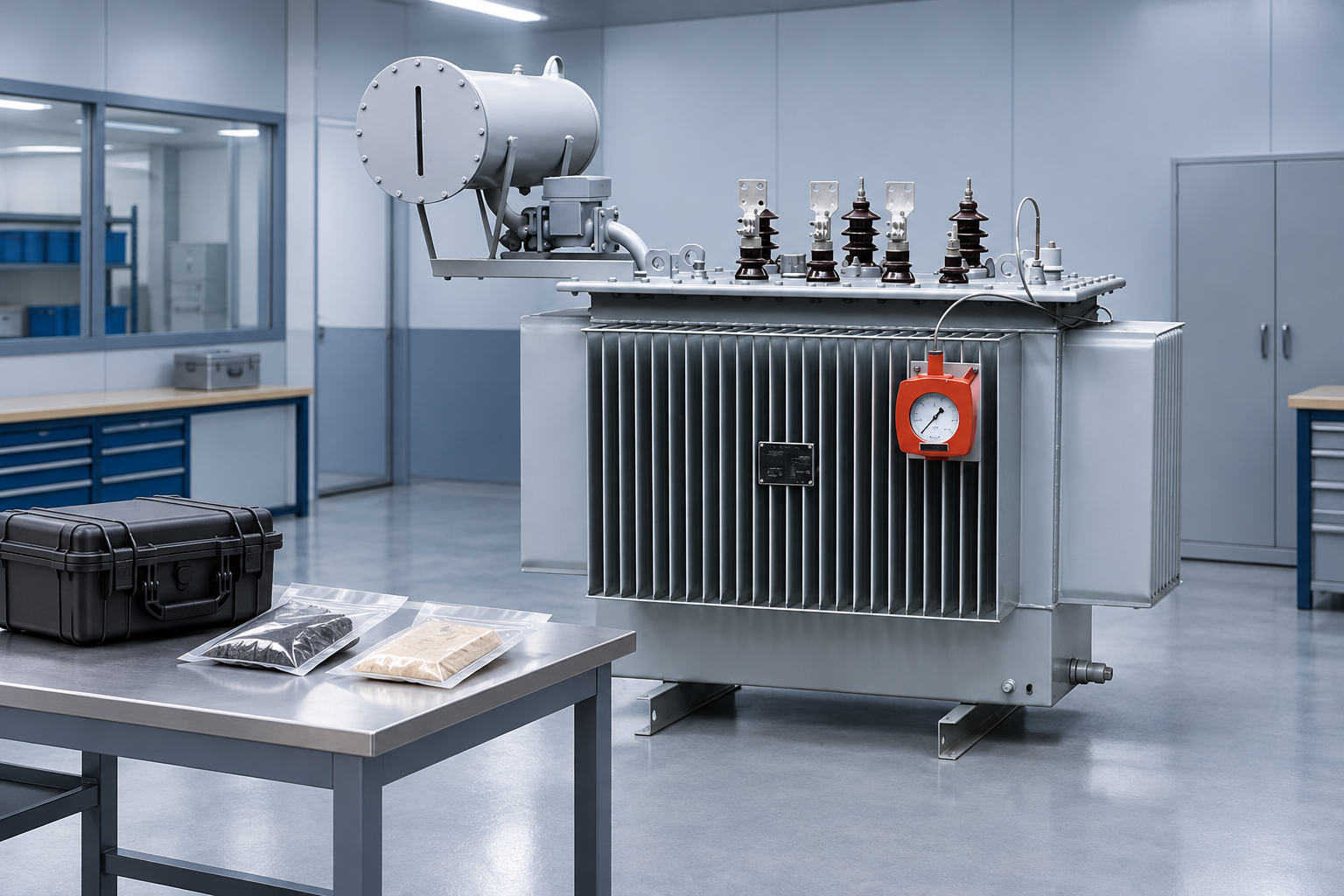
Conceptual reference-based illustration of qualification records, not an active compatibility experiment.
Identify the material more precisely than its generic name
“Rubber gasket,” “paint” and “adhesive” are incomplete identities. Formulation, processing, curing, surface treatment and batch can matter. Obtain a manufacturer designation and relevant production history for the specimen. If the laboratory receives a sample that differs from the installed item, the resulting report may be technically sound while failing to qualify the actual component.
For coated parts, document the substrate and coating system together. For a seal, distinguish the supplied material from the finished geometry and assembly. A laboratory material screening cannot by itself verify compression, fit or mechanical performance in a particular joint. Keep the compatibility assessment connected with the separate design checks that establish whether the component will function in service.
The oil identity is equally important
Record the fluid designation, batch, additive status and whether it is new or previously used. Petroleum mineral oil, natural ester and other insulating liquids should not be treated as interchangeable test media. A report for one liquid does not automatically establish performance in another. The method’s scope and the proposed application must agree before the laboratory begins the work.
If the owner plans to use a different oil from the original qualification, ask whether existing evidence remains applicable. Document any supplier or formulation changes rather than relying on a familiar trade name. The goal is a traceable material-fluid combination, not a certificate that simply contains the word “compatible.”
Use controls to understand what changed
A meaningful evaluation needs a basis for separating changes associated with the material from changes associated with the oil or exposure itself. Ask the laboratory how its approved method handles controls and comparisons. Retain the initial oil record and the exposed sample results. Without that context, a final number may show a change without explaining whether the material contributed to it.
Do not invent acceptance rules after reading the report. Agree which properties will be evaluated, how departures will be assessed and who has authority to approve the material. The applicable standard and engineering specification should govern the procedure. Owner review can check that the report addresses the question without attempting to replace the laboratory’s controlled method.
A qualification request checklist
Request item
Information to provide
Waarom het ertoe doet
Material identity
Manufacturer, formulation designation, batch and processing
Connects the specimen to the supplied item.
Olieidentiteit
Fluid type, batch and condition
Defines the actual material-fluid combination.
Application
Location, contact conditions and function
Frames the engineering interpretation.
Testbasis
Method, edition and agreed evaluation plan
Prevents unrelated exposure reports being compared.
Controls
Laboratory comparison and initial records
Helps distinguish material effects from other changes.
Acceptance
Required criteria and approval authority
Makes the final decision accountable.
Controle van wijzigingen
Triggers for reviewing the qualification
Prevents silent substitution after approval.
This is a documentation checklist based on the screening purpose of D3455. It is not a laboratory recipe and supplies no universal numerical acceptance limits.
Review several properties without creating a false overall score
The agreed assessment may include oil properties that respond differently to material interaction. Interpret each observation in its own measurement context. For example, oil acidity en oil dissipation factor answer different questions. Neither should be replaced by an informal color judgment or averaged into an unsupported compatibility score.
Oil color can be recorded as an observation, but appearance alone does not establish electrical suitability. A clear specimen may still require investigation, and a changed appearance needs interpretation against controls and other results. Ask the laboratory to explain any qualified or conflicting findings rather than selecting only the most favorable line of the report.
Compatibility screening does not qualify every operating condition
A controlled exposure represents the stated test conditions. Actual service adds mechanical stress, temperature variation, ageing, assembly effects and interactions with other materials. The responsible engineer must decide how screening evidence fits into the broader qualification. Avoid converting a short laboratory exposure into a claimed number of service years without a validated basis.
The U.S. Bureau of Reclamation’s Transformer Maintenance guidance provides broader context for evaluating insulating systems and maintenance evidence. It does not make an individual D3455 result a complete transformer condition assessment. Keep material qualification, oil condition monitoring and equipment maintenance as connected but distinct records.
Keep approved material and oil identities with the final qualification decision.
Common substitution mistakes
A matching color, hardness description or nominal material family is not proof of the same formulation. A change of manufacturer, curing process or coating can require review even when the item fits the same drawing. Procurement should obtain the approved identity and change notification requirements before accepting substitute stock. The decision should be based on relevant evidence rather than visual similarity.
Another mistake is reusing a compatibility report without checking which oil was tested. A third is assuming that material screening also proves sealing performance. Separate the evidence: compatibility concerns interaction with the fluid, while dimensional and mechanical checks establish other aspects of the application. An approval record should say which questions are answered and which remain subject to additional qualification.
What to do with a questionable result
Check specimen identity, conditioning history, oil batch, controls and report qualifications before attributing the change to the material. Ask the laboratory whether a repeat or additional examination would resolve the uncertainty. Preserve the original samples as instructed, and keep the proposed material outside approved production until the responsible review has established an acceptable disposition.
If a material already in equipment becomes suspect, do not prescribe replacement or an outage from this screening result alone. Escalate the evidence to the asset engineer with operating history and relevant condition data. Actual intervention requires the site’s approved safety and maintenance arrangements. This guide is intended to improve evidence review, not to instruct unqualified personnel to enter equipment.
Make qualification part of the purchase record
Voor een oil immersed power transformer, ask how fluid-contact materials are controlled and how changes are reviewed. The product page identifies the equipment family; it does not establish certification of every possible material-fluid combination. Request project-specific documentation where a particular owner requirement applies.
Gebruik de transformer purchasing guide to connect this request with the overall specification. Retain the approved material designation, report, engineering decision and supplier change obligations. A traceable record reduces repeated testing and prevents an old approval from being extended to a different product without review.
Retain evidence for the next production batch
The final approval should identify the tested material and oil clearly enough for purchasing staff to recognize a change. Keep the laboratory report with the relevant drawings, supplier designation and approved processing information. A report stored only under a general project name is difficult to apply when a replacement part is ordered years later.
Ask suppliers how changes will be communicated and who reviews them. If the next batch has a different designation, pause the substitution decision and reconcile the records. This does not mean repeating every test automatically; it means checking whether the existing evidence still applies before relying on it.
Learn about the transformer insulation system
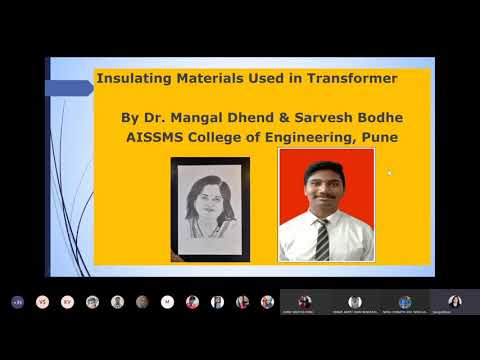
The following educational materials-science lecture discusses insulating materials in transformers. It provides background on why material choices matter; it is not a D3455 laboratory procedure or evidence that any specific seal, coating or oil has passed qualification.
Does a passing compatibility screen certify the transformer?
No. It supports a defined material-fluid qualification question. Complete equipment acceptance requires the applicable design, manufacturing and test evidence.
Can a report for mineral oil qualify a material for natural ester?
Do not assume so. Confirm the fluid, method scope and application with the laboratory and responsible engineer before extending the qualification.
Does material compatibility prove a gasket will seal?
No. Sealing also depends on design, dimensions, assembly and mechanical behavior. Those requirements need their own verification.
When should an old qualification be reviewed?
Review relevant changes in formulation, processing, supplier, oil or application. Use the project’s approved change-control requirements to decide whether additional evidence is needed.
Shenheng Electric Power streeft ernaar om een wereldwijde leider te worden in oplossingen voor elektrische apparatuur en helpt klanten om een veilig, efficiënt en duurzaam energiebeheer te realiseren.

 Shenheng Power Equipment Co., Ltd.