Sejak 2001, Shenheng Power telah menjadi pengeluar peralatan penghantaran dan pengagihan kuasa yang bertauliah, menyampaikan penyelesaian elektrik yang boleh dipercayai di peringkat global.
Disokong oleh sistem selepas jualan yang lengkap, kami menyediakan perundingan teknikal pakar, panduan produk dan perkhidmatan OEM & ODM yang fleksibel untuk projek anda.
Sejak 2001, Shenheng Power telah menjadi pengeluar peralatan penghantaran dan pengagihan kuasa yang bertauliah, menyampaikan penyelesaian elektrik yang boleh dipercayai di peringkat global.
Transformer Oil Gasket Replacement: Approve the Material and Joint Together
Release Time: 2026-11-14
Transformer oil gasket replacement material approval requires more than an “oil resistant” description. Identify the transformer, the actual insulating liquid, the sealing location and the approved joint drawing, then obtain evidence for the exact gasket compound, dimensions and installation requirements. A seal that fits an opening can still be unsuitable for its fluid, compression arrangement or operating environment. This guide helps owners and purchasing teams prepare a replacement review; it does not supply a universal material grade, tightening torque or field repair procedure. Work involving a transformer tank, bushings or insulating liquid belongs under the manufacturer’s instructions and a competent maintenance team.
Start with the joint, rather than a rubber name
A tank cover, inspection cover, radiator connection and bushing flange need not use interchangeable seals. Their geometry, movement, support and exposure differ. Record which joint is involved and what the seal must retain or exclude. Include the assembly drawing number and revision whenever available. Photographs are useful for identifying the location, but they cannot show the original compound, a compressed gasket’s unused thickness or the intended compression stop.
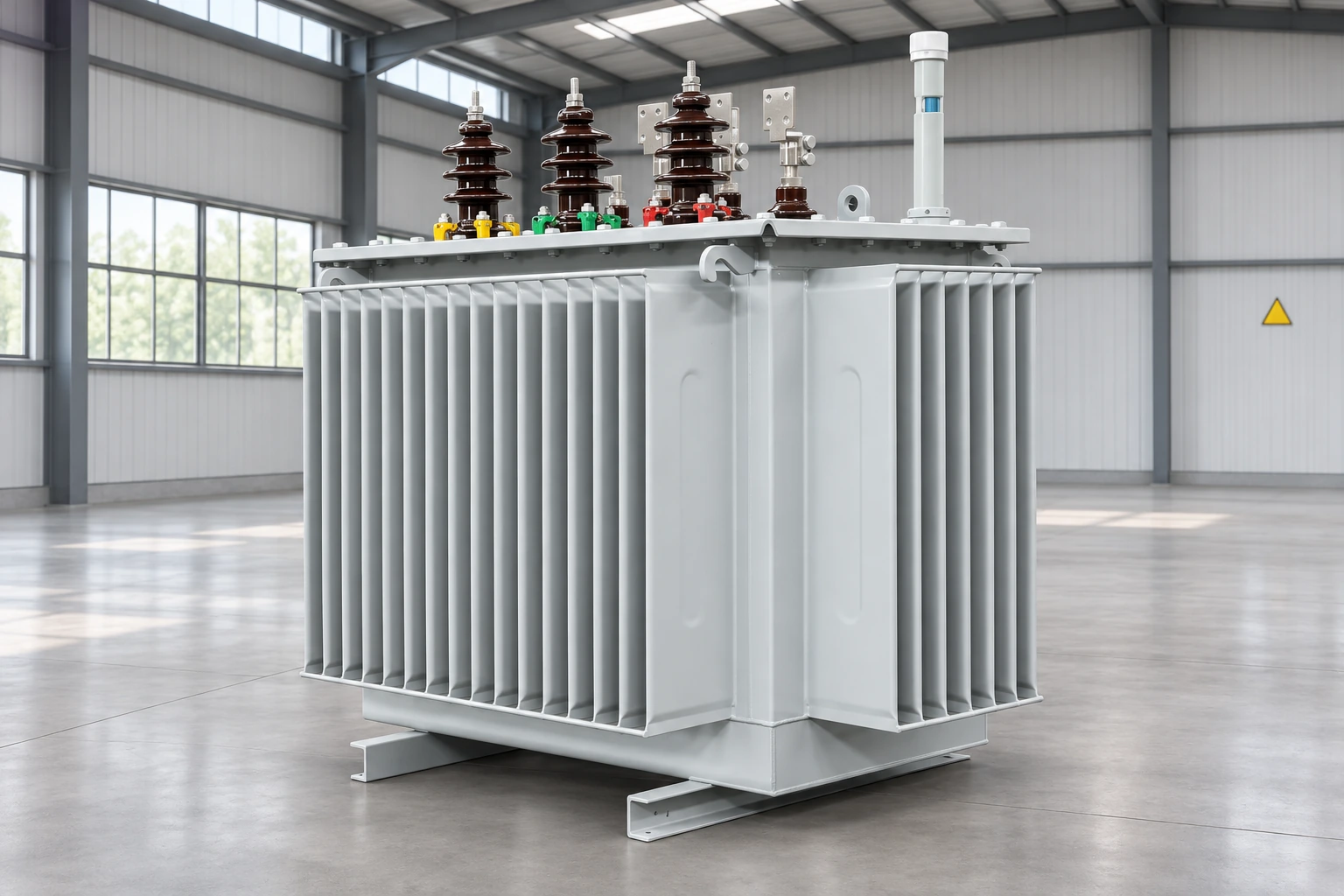
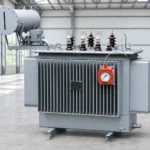
Gunakan S11-M sealed oil transformer as a product-family reference when discussing a corresponding Shenheng project. The illustration identifies an oil-filled equipment category; it does not certify the material of any concealed gasket or establish that a particular spare fits every S11-M unit. Supply the actual serial number and manufacturing record when requesting a spare. Where equipment has been repaired previously, confirm whether the current joint still matches the original design.
Before selecting material, distinguish a replacement of the original approved part from a design change. A substitute compound, different thickness or revised flange arrangement needs explicit engineering review. Purchasing should not convert an unavailable spare into an undocumented redesign. Record who can approve substitutions and what evidence that person requires before asking suppliers for quotations.
Ilustrasi rujukan produk berdasarkan imej produk Shenheng; bukan rekod sebenar penyelenggaraan, ujian atau tapak pelanggan.
Confirm the liquid and exposure conditions
List the liquid currently in service, including its known product identity and relevant treatment or replacement history. Do not rely solely on an old nameplate if the liquid has changed. Mineral insulating oil, natural ester and synthetic ester are different fluid families. A compatibility statement for one fluid must not be silently extended to another. Mixed or uncertain liquid identity is a question to resolve before releasing the gasket purchase.
Ask the equipment manufacturer which fluid exposure, temperature conditions and aging evidence apply to the proposed compound. The answer should identify the exact supplied formulation or approved part, rather than a broad polymer family alone. Different formulations can contain different fillers and additives. A generic catalog statement is useful for screening suppliers, but it is weaker than documented approval for the specific equipment and service.
Consider both the wetted surface and the external environment. The joint may face weather, sunlight, repeated heating and cooling, or maintenance cleaning products. These conditions should appear in the supplier’s application review when relevant. Avoid inventing an allowable temperature range from the name “nitrile” or “fluoroelastomer.” The approved part documentation should establish the applicable operating limits.
What evidence belongs in a replacement request?
The following is a suggested purchasing checklist, not a material specification or acceptance standard. It organizes the questions a manufacturer should resolve. The US Bureau of Reclamation’s Transformers: Asas, Penyelenggaraan, dan Diagnostik provides equipment-maintenance context, including gaskets; apply its guidance within its stated scope and alongside the instructions for the actual transformer.
Ulasan item
Information to provide
Approval question
Identiti peralatan
Manufacturer, serial number, drawing revision
Is the proposed spare applicable to this unit?
Identiti cecair
Current fluid and known change history
Is compatibility demonstrated for this exposure?
Joint geometry
Location, controlled profile and dimensions
Does the spare match the complete sealing interface?
Material identity
Exact compound or approved part number
Can delivered material be traced to the approved specification?
Compression arrangement
Flange, stops and installation instructions
How is the intended compression established?
Surface condition
Recorded damage, distortion or corrosion
Does the joint need repair before a new seal is fitted?
Delivery and storage
Batch, packaging and storage declaration
Will the part remain identifiable and protected until use?
Kembali beroperasi
Required checks and responsible signatory
What evidence releases the repaired equipment?
A supplier response that leaves several rows unanswered should remain an inquiry, rather than become an approved purchase. Keep the unanswered items visible in the procurement record. If a vendor offers an equivalent part, request a documented comparison identifying each difference and its engineering disposition. Do not accept “same size” as the whole comparison.
Check dimensions without copying the failed seal blindly
An old gasket can be stretched, swollen, hardened or permanently compressed. It is evidence of what was removed, but it is not automatically the manufacturing drawing for a new part. Record its condition and identification while seeking controlled dimensions. Use any measurements only within an agreed inspection method, with uncertainty noted where damage prevents a reliable result.
The complete joint includes bolt locations, sealing lands, grooves where present, flange flatness and any compression-limiting features. Changing thickness can affect how the parts come together. A seal protruding into an unintended area can create another problem even when bolt holes line up. Ask the equipment manufacturer to resolve these interfaces before a maintenance outage starts.
Avoid publishing or applying a universal percentage compression, bolt torque or tightening sequence. Those values depend on the joint and approved material. A workshop should have the applicable drawing and procedure in hand, including any restrictions on adhesives, lubricants or sealants. A substance described as compatible with oil is not necessarily approved for use inside that transformer’s insulation system.
Separate leak diagnosis from material approval
cURL Too many subrequests by single Worker invocation. To configure this limit, refer to https://developers.cloudflare.com/workers/wrangler/configuration/#limits.
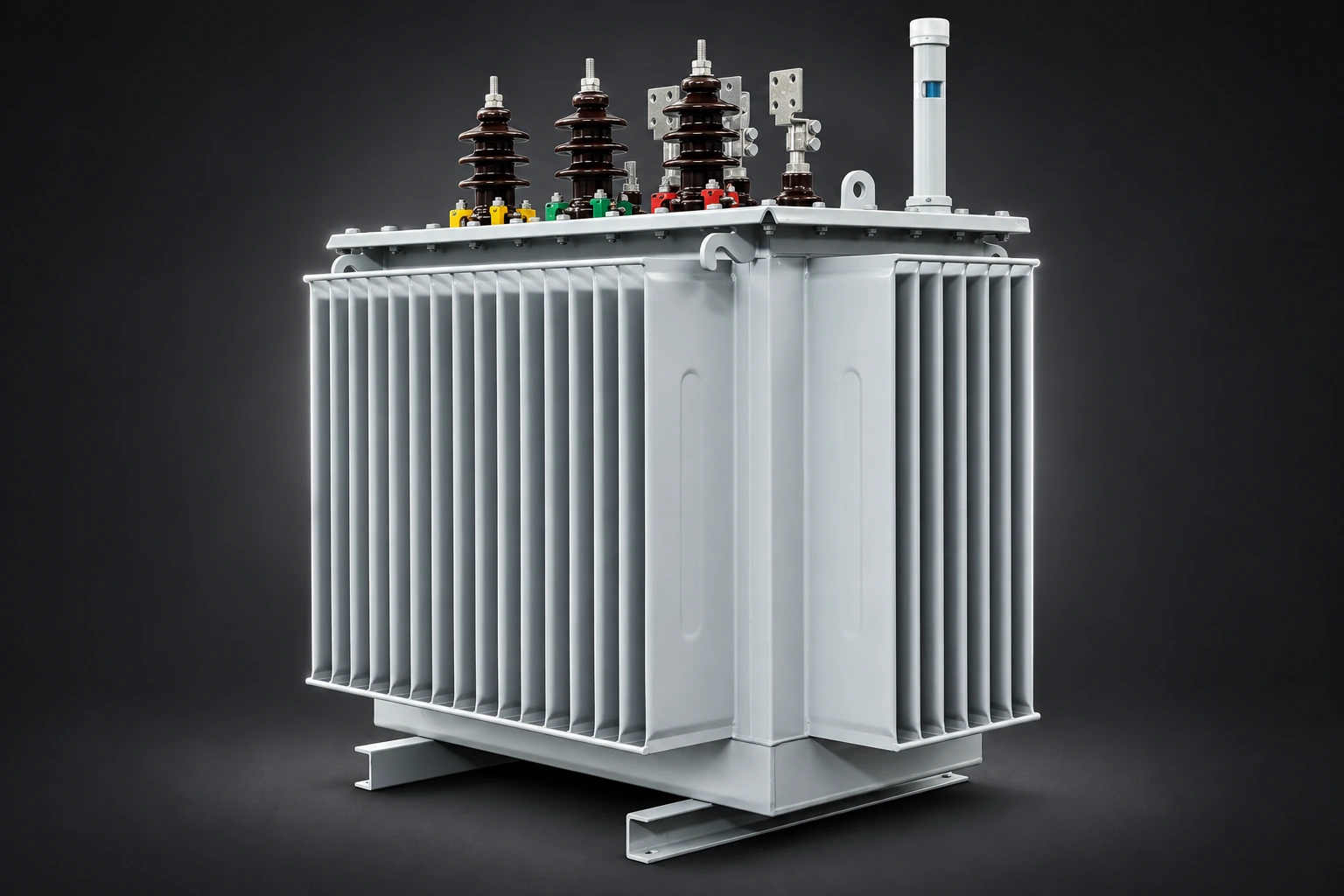
Ilustrasi rujukan produk berdasarkan imej produk Shenheng; bukan rekod sebenar penyelenggaraan, ujian atau tapak pelanggan.
Plan access, liquid handling and safe work before opening
Opening a transformer joint can involve electrical hazards, stored energy, heavy components, liquid loss and contamination. Have the authorized team define isolation, support, access and environmental controls before starting. The HSE guidance on work on electrical equipment emphasizes planning, competence and secure control of energy sources. It supports the need for a planned job; it does not provide a gasket-specific repair method.
The work pack should state how the correct part is checked at receipt, how opened surfaces and liquid are protected, and which observations require work to stop. It should also specify what happens if the joint condition differs from the drawing. A schedule should allow engineering review of unexpected findings instead of pressuring the crew to improvise a seal to finish the outage.
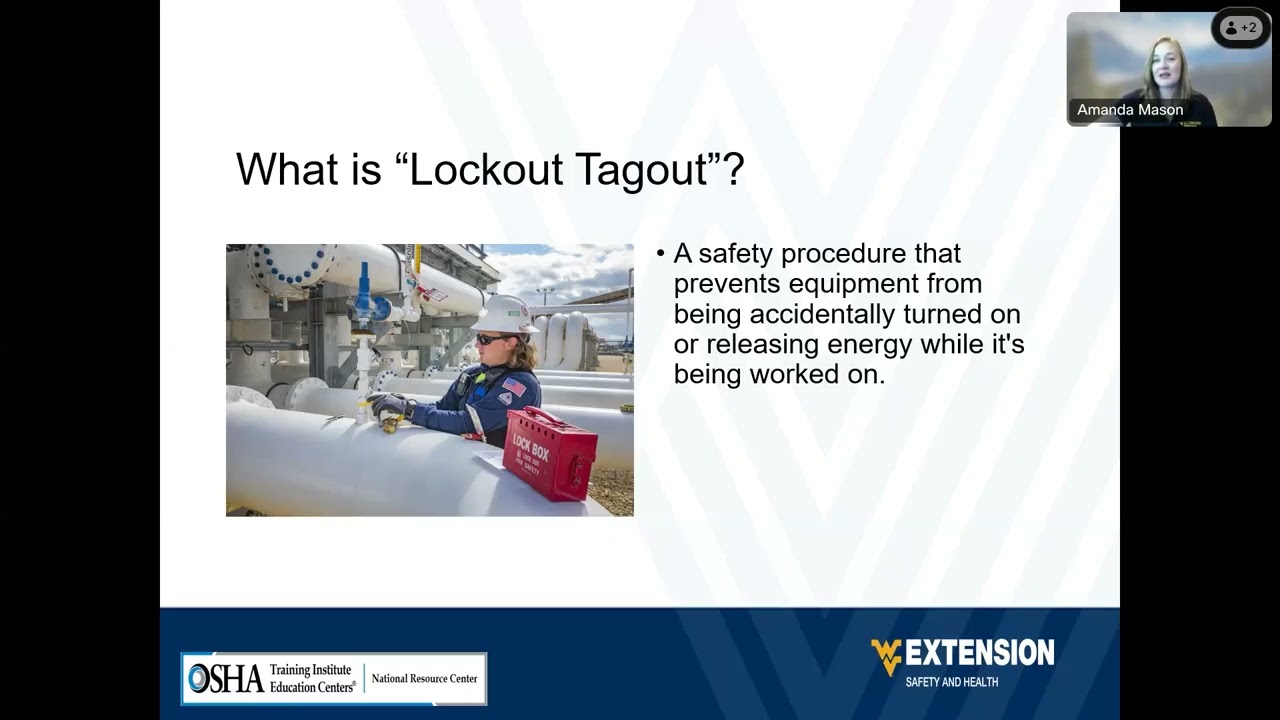
The following government safety video explains the purpose of controlling hazardous energy. It is background learning for the planning discussion, not authorization to open high-voltage equipment or a substitute for the site’s switching and maintenance procedures.
Pembelajaran lanjut: Berdiri Teguh Untuk Keselamatan dan Kesihatan – Lockout tagout — Jabatan Tenaga Kerja Malaysia. Boleh ditonton di YouTube.
Inspect delivery and close the record
At receipt, compare the part number, batch information, quantity and packaging with the approved order. Keep the manufacturer’s storage instructions and any relevant shelf-life declaration with the material. Protect seals from damage and contamination, and retain identification when packages are split. An unlabelled piece of sheet material should not become an approved spare merely because it resembles the ordered material.
After the repair, retain the installed part identity, joint location, procedure revision, inspection results and release approval. The competent team should define the checks for sealing integrity and equipment condition; this article does not prescribe an improvised pressure or leak test. If a check fails, record the outcome and seek a technical disposition before energization.
An illustrative review outcome might be “hold pending joint drawing,” “approved original spare,” or “substitution requires additional evidence.” These labels are suggested recordkeeping choices, not formal industry classifications. Their purpose is to make the decision understandable to purchasing and maintenance staff. A complete approval links the actual delivered gasket to the actual transformer joint and leaves a clear record for the next maintenance team.
Soalan Lazim
Is an oil-resistant gasket automatically suitable for a transformer?
No. Approval must cover the exact compound, actual insulating liquid, joint design and service conditions. A broad marketing description does not establish those interfaces or authorize a replacement.
Can the removed gasket be used as the only dimensional reference?
It should not be the only reference when a controlled drawing or original spare specification is available. Used seals may have changed shape or thickness, so measurements require interpretation by the responsible technical team.
Can the same material be used after changing insulating liquid?
Do not assume that approval transfers. Record the new liquid and obtain compatibility confirmation for the proposed material and equipment. A previous mineral-oil approval alone does not establish suitability for every ester fluid.
What should purchasing do when the original part is unavailable?
Ask the equipment manufacturer or designated engineering authority to review a documented substitute. Keep material, dimensions, joint requirements and acceptance evidence explicit, and leave the order on hold until the missing approval is resolved.
Shenheng Electric Power komited untuk menjadi peneraju global dalam penyelesaian peralatan kuasa, membantu pelanggan mencapai pengurusan kuasa yang selamat, cekap dan mampan.

 Shenheng Power Equipment Co., Ltd.