Sejak 2001, Shenheng Power telah menjadi pengeluar peralatan penghantaran dan pengagihan kuasa yang bertauliah, menyampaikan penyelesaian elektrik yang boleh dipercayai di peringkat global.
Disokong oleh sistem selepas jualan yang lengkap, kami menyediakan perundingan teknikal pakar, panduan produk dan perkhidmatan OEM & ODM yang fleksibel untuk projek anda.
Sejak 2001, Shenheng Power telah menjadi pengeluar peralatan penghantaran dan pengagihan kuasa yang bertauliah, menyampaikan penyelesaian elektrik yang boleh dipercayai di peringkat global.
500 kVA Transformer: Selection Inputs for EPC Feeders
Release Time: 2026-08-02
EPC teams sizing a 500 kVA transformer for industrial feeders, commercial campuses, or renewable collection points often see quotes that match on kVA but diverge on impedance, loss temperature basis, and enclosure class.
This 500 kva transformer guide focuses on practical procurement and layout controls for the package below. Pair the checklist with the approved single-line for 500-kva-transformer-selection-guide — ia tidak menggantikan kelulusan utiliti atau perunding.
Part 1. Where 500 kVA sits between small and mid-size feeders
A 500 kVA rating commonly bridges light commercial pads and heavier industrial incomers. Fault contribution at the LV board rises with the unit size, so cable and breaker ratings must be rechecked even when the legacy nameplate also read “about half a megawatt.”
Buyers should map diversity assumptions from the load study to the chosen kVA step before freezing the purchase order. Stepping from 400 to 500 kVA without updating loss targets or tap range can trigger utility rework later.
Penting: For 500 kva transformer, freeze these inputs on a controlled revision before normalizing commercial bids; late changes cascade into civil, protection, and factory drawings — align with Amalan piawaian IEC dan nota sumber pihak berkuasa projek.
Part 3. Cast resin indoor versus oil immersed outdoor boundaries
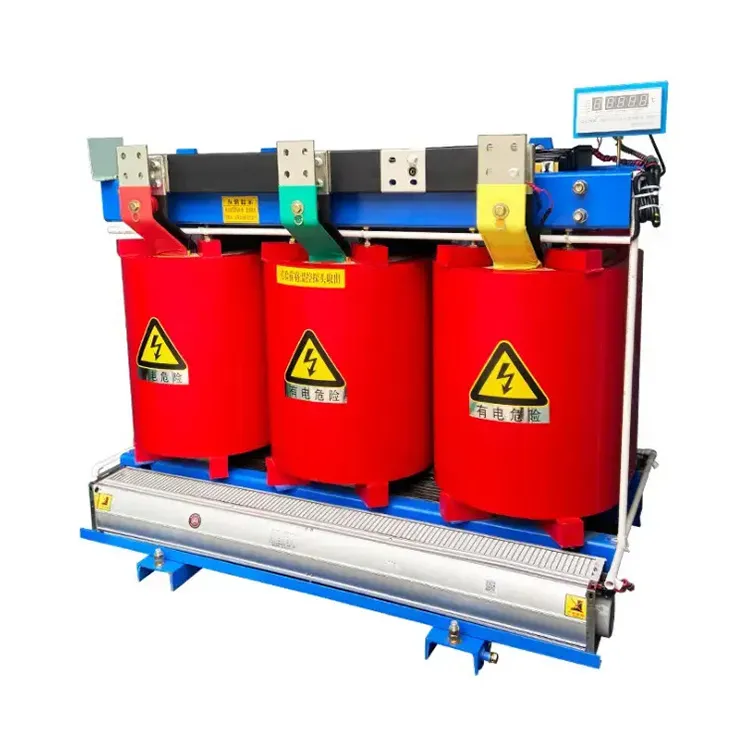
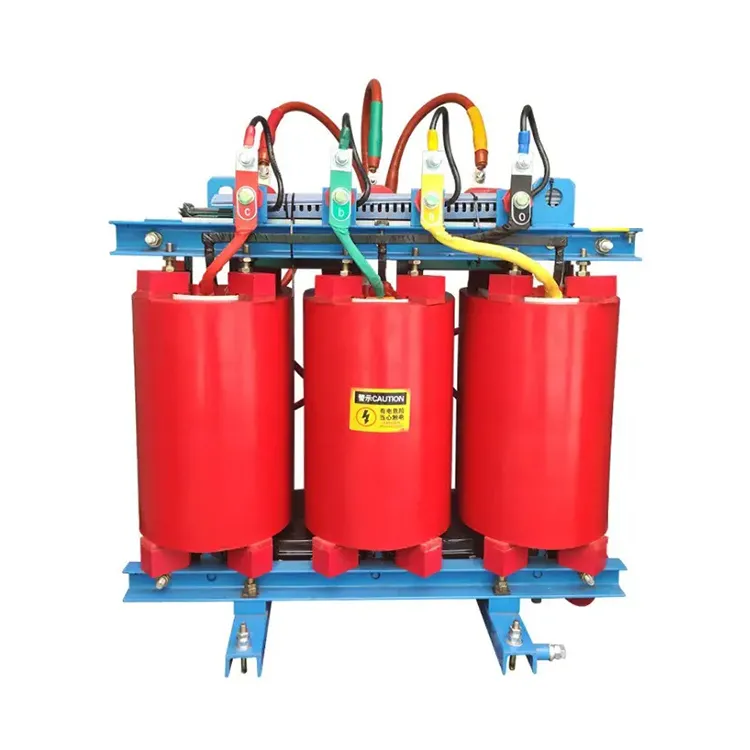
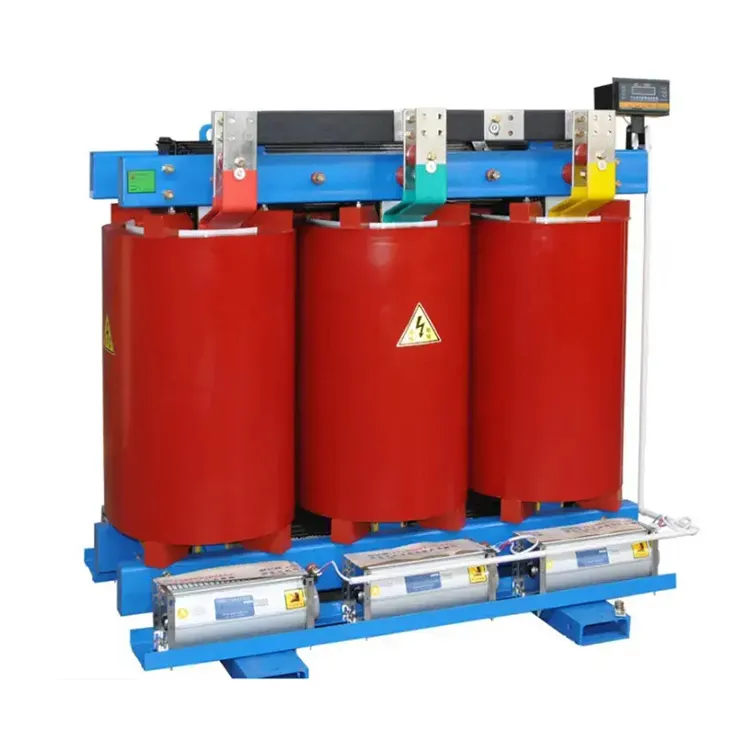
At 500 kVA, indoor cast resin dry type units reduce oil handling inside occupied buildings, while outdoor oil immersed packages remain common on utility pads with bunding and standard ONAN practice.
Record filter clearance, room heat rejection, and classified-area limits for dry type rooms. For oil immersed pads, confirm lifting paths, sampling ports, and fire separation before GA release.
Part 4. Factory documents to attach to every 500 kVA RFQ
Dokumen / item
Tujuan
Hantar dengan sebut harga
Routine / type test summary
Loss and impedance basis
Yes — before award
GA drawing with weights
Pad and lifting plan
Yes — design freeze
Terminal / cable entry drawing
LV gland and CT placement
Ya — sebelum pembuatan
Tap chart and vector confirmation
Commissioning reference
Yes — with FAT plan
Noise / cooling data sheet
Room HVAC sizing
Yes — when indoor
O&M manual + spare list
Handover and stocking
Yes — contract schedule
Ratio / polarity test sheet
Energization dossier
Yes — before shipment
Lampirkan jadual ini pada setiap semakan RFQ supaya vendor memulangkan pakej teknikal yang boleh dibandingkan dan bukannya petikan katalog.
Part 5. Installation and energization checks at 500 kVA
Confirm grounding, cable torque, and surge protection against the released drawing. Dry type rooms need clear filter access; oil units need silica gel and pressure-relief checks before first energization.
Commissioning should include ratio, polarity, insulation resistance, and protection functional tests tied to the approved settings sheet.
Part 6. 500 Kva Transformer catalog starting point
Had aplikasi: Untuk 500 kva transformer (500-kva-transformer-selection-guide), anggap halaman katalog yang dipautkan sebagai titik permulaan kejuruteraan sahaja. bukan Beku 500 kva transformer perolehan apabila kajian kerosakan projek, susut nilai altitud, atau sampul kelulusan utiliti melebihi penarafan yang diterbitkan pada halaman produk tersebut.
If the 500 kva transformer study points to a different scheme or rating for 500-kva-transformer-selection-guide, browse the halaman kategori dan hantar bahan kajian melalui Hubungi Kuasa Shenheng.
Part 7. Mistakes that delay 500 kVA awards
Comparing quotes without the same loss temperature and impedance base.
Omitting vector group and tap range when the utility note already defines them.
Selecting indoor dry type without verifying ventilation in the room layout.
Energizing before ratio/polarity results are filed with protection settings.
Copying a smaller-unit RFQ template without updating fault-level inputs.
Soalan Lazim
When is 500 kVA the right step versus 400 or 630 kVA?
Choose the step that matches the diversity-adjusted load study and leaves acceptable fault levels on the LV board — not a round marketing number.
Which loss basis should bidders use at 500 kVA?
Require the same reference temperature and guaranteed no-load/load loss format across all bidders before commercial comparison.
Does indoor cast resin fit most 500 kVA plant rooms?
Only when heat rejection, filter clearance, and fire rules fit the room layout; otherwise evaluate outdoor oil immersed pads.
What impedance range matters for LV board bracing?
Use the study %Z to recalculate prospective fault current; do not assume the previous unit’s impedance still applies.
Which factory documents belong in the RFQ pack?
Attach test summaries, GA weights, terminal drawings, tap charts, and commissioning sheets so vendors return comparable binders.
When should utility tap settings be locked before manufacture?
Before winding release whenever seasonal voltage or new upstream generation can shift the operating band.
Shenheng Electric Power komited untuk menjadi peneraju global dalam penyelesaian peralatan kuasa, membantu pelanggan mencapai pengurusan kuasa yang selamat, cekap dan mampan.

 Shenheng Power Equipment Co., Ltd.