Dal 2001, Shenheng Power è un produttore affidabile di apparecchiature per la trasmissione e la distribuzione di energia, che fornisce soluzioni elettriche affidabili a livello globale.
Supportati da un completo sistema post-vendita, offriamo consulenza tecnica esperta, guida sui prodotti e servizi flessibili OEM e ODM per i vostri progetti.
Dal 2001, Shenheng Power è un produttore affidabile di apparecchiature per la trasmissione e la distribuzione di energia, che fornisce soluzioni elettriche affidabili a livello globale.
When to Choose a Padmount Transformer Over a Compact Substation
Release Time: 2026-07-24
Buyers comparing a padmount transformer with a compact outdoor substation need a practical way to separate equipment scope, civil interface, and documentation before quotations look interchangeable.
This guide summarizes decision steps used by EPC teams and facility engineers when they decide whether a stand-alone padmount transformer is enough, or whether a factory-assembled compact substation better matches switching, LV distribution, and schedule constraints. Use it as a procurement checklist—not as a substitute for project-specific engineering approval.
Parte 1. Perché questo argomento è importante nei progetti MT-BT
Distribution upgrades fail quietly when procurement teams treat catalog labels as fully engineered designs. A padmount transformer and a compact substation can both serve outdoor MV-LV conversion, yet they rarely deliver the same switching scope, cable interface, or handover package.
For padmount transformer purchases, the order should reference measurable parameters—voltage class, kVA, impedance, vector group, enclosure rating, and required tests—rather than marketing adjectives alone. If the single-line diagram also needs MV switching and LV distribution in one outdoor bay, a compact package may reduce site assembly risk.
Incrociare le informazioni pubbliche su Shenheng Power e confermare i limiti finali con la vostra azienda di servizi pubblici o con il vostro ingegnere consulente.
Parte 2. Input delle specifiche chiave
Bloccare questi input prima di normalizzare le offerte:
Ingresso
Perché è importante
Sorgente tipica
Tensione nominale e livello di isolamento
Classe di apparecchiatura e distanza di sicurezza
Schema unifilare
Corrente nominale / kVA
Base di progetto termico
Studio di carico
Switching and protection scope
Padmount-only vs packaged MV/LV bay
Protection study
Gruppo vettoriale e prese
Messa a terra e regolazione della tensione
Requisiti di utilità
Ambiente e altitudine
Declassamento e raffreddamento
Scheda dati del sito
Civil pad / cable basement interface
Foundation and duct bank design
Civil drawings
Richiedi tempestivamente i rapporti dei test di fabbrica e i disegni di ingombro in modo che i team civili, di protezione e di messa in servizio possano lavorare in parallelo.
Parte 3. Applicazione e limiti operativi
A padmount transformer is commonly specified when the primary need is outdoor conversion on a concrete pad, with MV switching and LV boards supplied separately. It often fits residential feeders, light commercial sites, and utility laterals where the switching scheme is already defined elsewhere on the network.
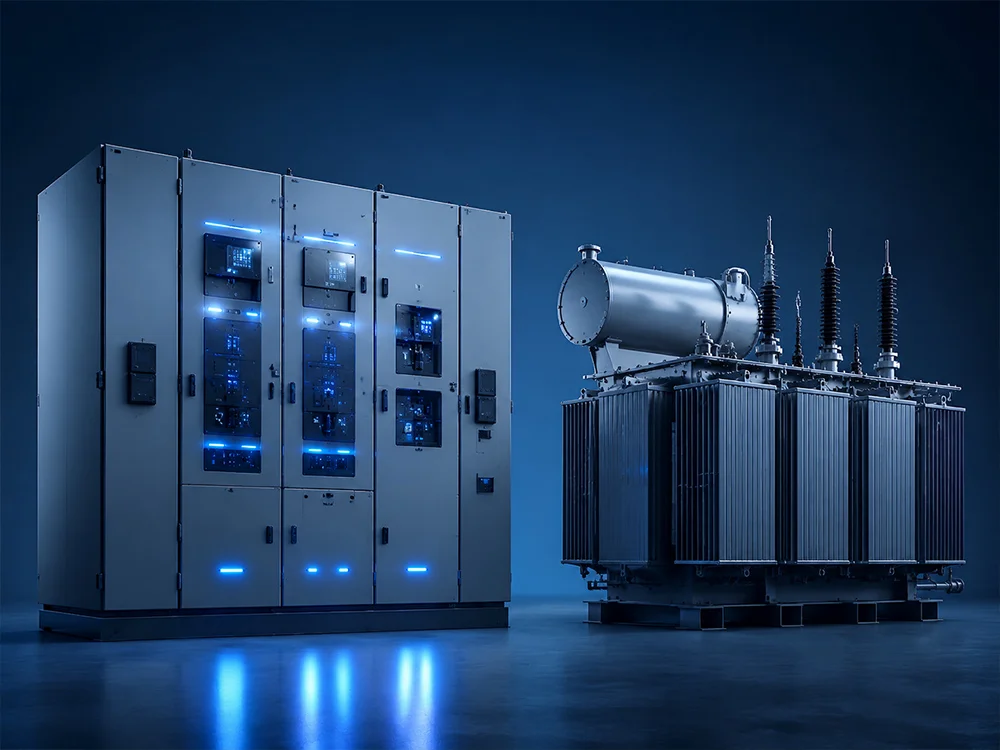
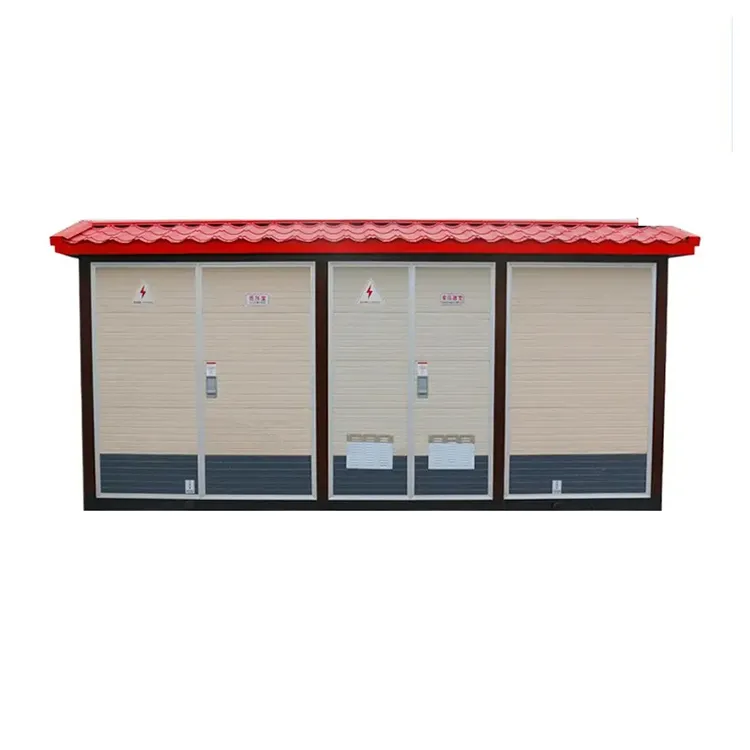
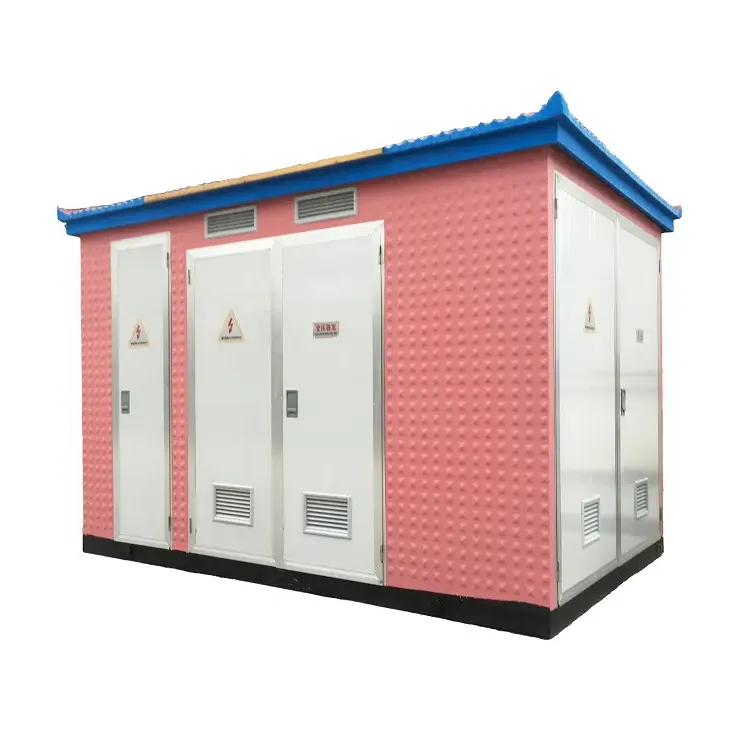
A compact outdoor substation is typically preferred when the project needs a factory-integrated combination of MV switchgear, transformer, and LV distribution with a defined enclosure interface. That package can help industrial parks, renewable collection points, and schedule-driven EPC jobs that want fewer field interfaces.
Compare operating boundaries on at least four axes: switching scope, civil footprint, maintenance access, and cable entry direction. Harmonic-rich loads, corrosive atmospheres, or high altitude still require derating studies for either option.
Parte 4. Elenco di controllo per la documentazione e la RFQ
Documento / articolo
Scopo
Quando fare richiesta
Rapporto di prova di tipo o di serie
Verifica valutazioni e perdite
Prima dell'ordine di acquisto
Disegno di insieme e carico sui fondi
Progettazione civile e di sollevamento
Fase di progettazione
Schema elettrico / schema unifilare
Risoluzione e protezione
Prima della spedizione
Manuale di uso e manutenzione
Formazione sul campo
Passaggio di consegne
Elenco dei pezzi di ricambio
Boccole, guarnizioni, sensori
Negoziazione contrattuale
Lista di controllo per la messa in servizio
Prove di rapporto, polarità e isolamento
Prima dell'alimentazione
Attach this table to RFQs so vendors return comparable technical packages for both padmount transformer and compact substation options.
Parte 5. Note di installazione, collaudo o manutenzione
Installation quality often determines long-term reliability more than small differences in quoted first cost. Confirm grounding, cable bending radius, torque values, and nameplate data against the approved design for whichever package you select.
Before energization, plan ratio tests, insulation resistance checks, functional protection tests, and—where applicable—oil sampling or thermal monitoring baselines. Compact packages also need enclosure door interlocks and LV feeder labeling checked against the approved drawing revision.
Maintenance access should be designed into the layout: oil sampling ports for liquid-filled padmount units, and clearances for MV and LV compartments inside compact outdoor enclosures.
Parte 6. Raccomandazione del prodotto e Limite di adattamento
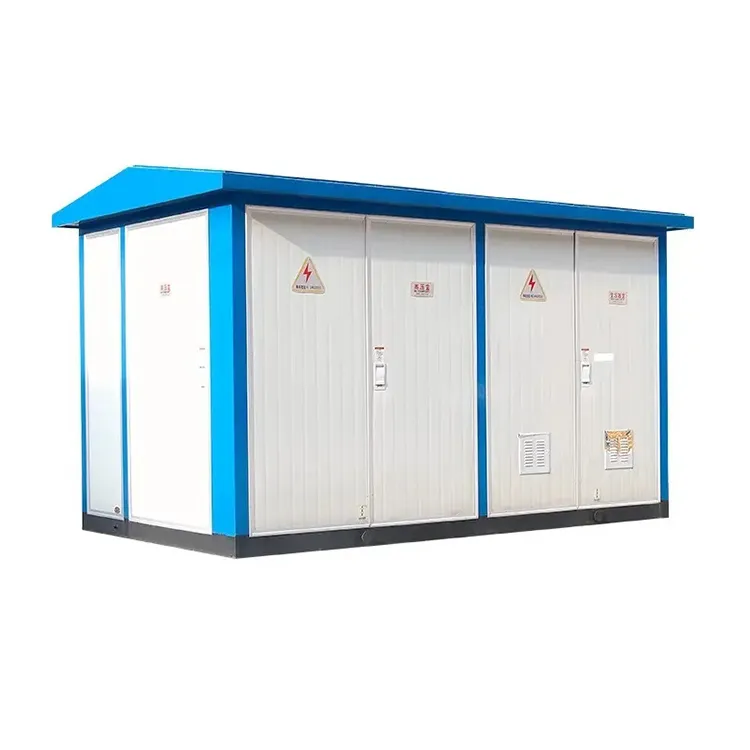
When the comparison points to a factory-assembled outdoor bay rather than a stand-alone padmount transformer, Shenheng Power publishes a relevant catalog starting point at cabina elettrica compatta da esterno 11kV/33kV.
Limite di adattamento: This recommendation supports typical distribution and industrial scopes documented on the product page when MV switchgear, transformer, and LV distribution belong in one outdoor package. It is non a substitute for a stand-alone padmount transformer when the approved single-line diagram only requires conversion hardware, and it is non un'alternativa agli studi specifici di progetto quando si applicano livelli di guasto insoliti, altitudini estreme o norme delle aziende elettriche nazionali.
Comparing a padmount transformer quotation with a compact substation quotation without aligning switching and LV scope.
Omettere i requisiti di altitudine, ambiente o custodia dalla RFQ.
Selecting equipment solely on first cost while ignoring civil pad, cable basement, and spare lead times.
Messa in tensione prima che le impostazioni di protezione e i dati di targa siano riconciliati con il progetto approvato.
Copiare affermazioni di marketing generiche nelle domande per i brevetti di utilità senza disegni di supporto.
FAQ
What is the difference between a padmount transformer and a compact substation?
A padmount transformer is typically a sealed outdoor distribution unit on a concrete pad. A compact substation usually packages MV switchgear, transformer, and LV distribution in one outdoor enclosure.
When should buyers choose a padmount transformer alone?
Choose a stand-alone padmount transformer when the site mainly needs MV-LV conversion and switching or LV boards are already specified as separate equipment.
What switching and LV functions does a compact substation typically include?
Many compact outdoor packages integrate incoming/feeder MV switching with LV distribution around the transformer. Confirm the exact single-line diagram before comparing bids.
What civil and cable interfaces differ between the two packages?
Padmount units emphasize pad size, clearances, and primary/secondary cable loops. Compact substations add enclosure footprint, basement or trench interfaces, and multi-compartment cable entry planning.
What documents should accompany factory shipment for either option?
Richiedere rapporti di collaudo, disegni d'insieme (GA), schemi elettrici, manuali e liste dei ricambi allineati alla revisione dell'ordine di acquisto.
Quando dovrebbero gli ingegneri consultare il team di interconnessione dei servizi di pubblica utilità?
Prima di bloccare il campo di regolazione della presa, la filosofia di protezione e i requisiti di misura che compaiono nell'accordo di interconnessione o nella checklist del codice di rete.
Shenheng Electric Power si impegna a diventare un leader globale nelle soluzioni di apparecchiature elettriche, aiutando i clienti a ottenere una gestione dell'energia sicura, efficiente e sostenibile.

 Shenheng Power Equipment Co., Ltd.