Sweep Frequency Response Analysis for Transformers
Release Time: 2026-10-09
Transformer sweep frequency response analysis, usually called SFRA, compares electrical response patterns over a range of frequencies to help investigate changes inside a transformer. It is especially valuable when a reliable reference measurement exists and the new test repeats the original configuration. A changed trace is evidence to investigate, not an automatic diagnosis of a particular damaged winding. The practical task is to control the measurement setup, select a valid comparison and combine the findings with the event history and other tests before making an asset decision.
What an SFRA measurement represents
The transformer contains an electrical network influenced by windings, insulation and the magnetic structure. A frequency response measurement observes how an applied signal relates to the measured response as frequency changes. The resulting curve acts as a comparative signature. Changes in equipment configuration or measurement connections can influence that signature as well as changes within the transformer.
IEC 60076-18 covers frequency response measurement techniques and equipment for factory or site measurements. Its public description distinguishes measurement from interpretation: interpretation is outside the normative text, with guidance provided separately. This distinction is important when a contractor says that a test was performed “to IEC.” Following a measurement standard does not, by itself, justify every diagnostic conclusion in the report.
The test is not dissolved gas analysis, a turns-ratio measurement or an insulation resistance test. Those methods answer other questions. SFRA contributes comparative evidence about the measured electrical response and requires an interpretation appropriate to the actual transformer design.
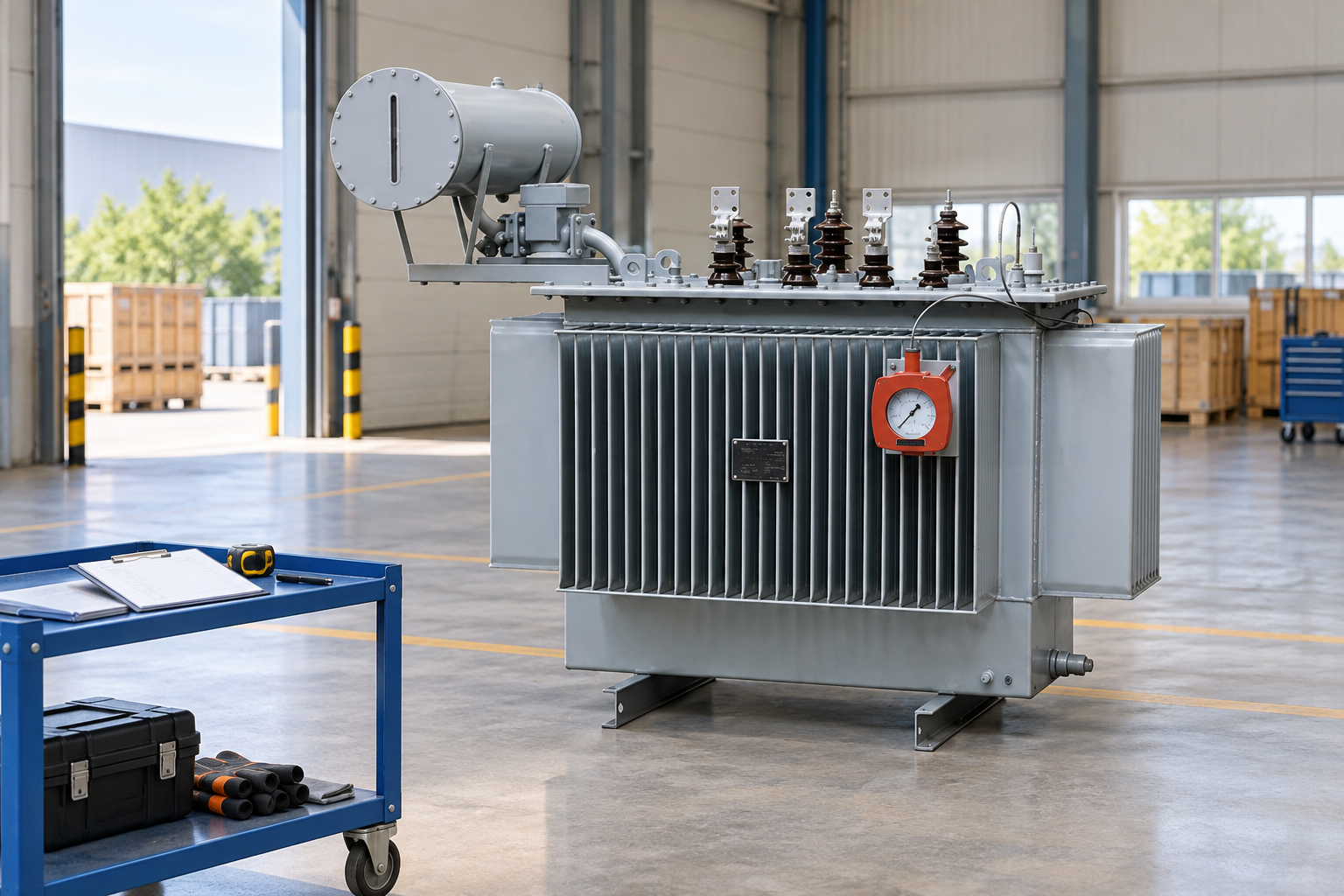
Repeatable configuration is essential to meaningful trace comparison. Reference-based illustration.
When an owner may request SFRA
Common investigation contexts include establishing a factory baseline, checking condition after transport, reviewing a significant through-fault event or investigating a suspected internal change. The responsible engineer determines whether SFRA is appropriate and what other evidence is required. It should not be ordered simply because a generic commissioning checklist lists every available test.
State the event or decision in the work order. After transport, the assignment may focus on comparison with a pre-transport record. After a fault, the team may need to evaluate the event severity and combine several diagnostic observations. During procurement, the priority may be acquiring usable baseline data for future comparisons rather than claiming that one trace proves decades of future performance.
For an محول قدرة مغمور بالزيت, ask what baseline measurements and technical records can be supplied for the actual unit. A catalog page is not evidence that every optional diagnostic test has been included in the purchase scope.
Start with a safe, agreed test boundary
SFRA is a specialist test conducted under an approved procedure on equipment in the required isolated condition. The site must manage isolation, stored energy, external connections, earthing arrangements and restoration. Test personnel need the actual drawings and manufacturer instructions. This article does not provide terminal-by-terminal connection directions or authorize changes to a grounding arrangement.
The plan should identify which transformer and windings are included, who controls the equipment and what condition must exist before work begins. External plant interfaces should be documented because they can influence measurement and safety. Do not disconnect cables or grounds based on a remembered setup from another transformer.
Agree how other planned tests affect the sequence. The test engineer should consider the actual instrument instructions, transformer configuration and possible effects of previous measurements. Record the sequence so that a later analyst can understand the conditions under which the traces were obtained.
Select the strongest available reference
The most useful comparison is generally a suitable earlier measurement of the same transformer in a documented comparable condition. Keep factory and commissioning data linked to the asset serial number. A curve labeled only with a project name may be difficult to use when several similar units exist.
If a same-unit baseline is unavailable, an experienced analyst may consider comparisons between phases or with an appropriately similar transformer. Those comparisons have limitations. Phase construction can differ, and apparently similar units may not share the same internal design. Document why the selected reference is appropriate rather than presenting every difference as proof of damage.
A report should disclose the missing baseline. Do not manufacture a “healthy” reference by choosing the most convenient curve from another unit. The conclusion may remain conditional until better evidence becomes available.
Control the configuration before comparing traces
Record winding identification, terminal designation, tap position, relevant connection state and the measurement configuration. Preserve connection photographs where allowed. Include the instrument identity, software version, calibration or verification information and the test date. The purpose is to allow a future team to reproduce the relevant conditions.
Connection quality and lead arrangement are part of that record. A small setup difference can create a misleading comparison, particularly when the analyst studies detailed changes in a trace. The test procedure should specify the applicable checks, and the report should record deviations rather than hiding them behind a graph.
Comparison factor
Record to retain
لماذا يهم الأمر
Asset identity
Serial number and winding designation
Establishes that the curves describe the intended transformer
Tap configuration
Actual positions and relevant settings
Avoids comparing different electrical configurations
Test arrangement
Connection description and photographs
Supports repeatability and review of setup effects
Reference source
Original files and measurement context
Makes the baseline auditable
Instrument information
Equipment and verification record
Identifies changes in the measuring system
Event history
Transport, fault or maintenance details
Connects the investigation to the owner’s question
This checklist supports measurement traceability. It is not a universal test circuit, an acceptance threshold or a substitute for the applicable standard and manufacturer’s procedure.
What to do when a curve changes
First confirm that the current and reference configurations are comparable. Review identity, tap position, measurement arrangement and data processing. If the result is unexpected, the test engineer may repeat the relevant measurement under the agreed procedure to check reproducibility. A repeat should preserve its own record; do not overwrite the original file.
Next ask the analyst to describe the observed difference before stating the diagnosis. Useful reporting separates the affected measurement, frequency region, repeatability and comparison basis from the proposed physical explanation. A graph with colored lines but no explanation is difficult for an owner to turn into an action.
Finally, assess the finding alongside the event and complementary evidence. Avoid universal rules such as “a change above this frequency always means this exact defect.” The relationship depends on design, test configuration and interpretation. If uncertainty remains, say what additional information would reduce it and who will make the next decision.
Compare transport condition evidence with a suitable baseline. Reference-based illustration.
Combine SFRA with an event-focused investigation
A suspected mechanical change may require review of other appropriate electrical measurements, physical inspection opportunities and available transport or fault records. The engineer selects those methods based on the transformer and event. Performing every test without a clear question can produce a large report while leaving the actual concern unresolved.
Transformer dissolved gas analysis contributes evidence about gas-producing processes. A core ground assessment addresses a different diagnostic boundary. A bushing power factor test focuses on another component. Keeping these scopes clear helps the owner understand why a result from one test does not cancel a concern from another.
For broader maintenance context, consult the Bureau of Reclamation transformer reference library. An applicable maintenance program should define how diagnostic information enters the owner’s engineering decision and return-to-service process. This article does not claim that the reference library supplies a project-specific SFRA acceptance certificate.
A transport assessment example
Consider a transformer with a documented factory measurement that arrives at a site after shipment. The commissioning team identifies the same asset and checks whether the site arrangement can reproduce the relevant factory configuration. It records any differences before comparing the traces.
If a changed trace appears, the team checks the setup and requests repeat measurement where appropriate. The analyst reviews the shipping record and other agreed diagnostic evidence. The final recommendation explains whether the evidence supports acceptance, additional investigation or a hold pending resolution. This hypothetical example includes no invented measured shifts or guaranteed pass criteria.
The owner should preserve the complete record even if the transformer is accepted. A verified site baseline can be valuable when a later event creates a new question. A screenshot copied into a presentation is less useful than the original measurement files and connection record.
Specify a useful contractor deliverable
Request raw data files as well as readable plots. Each plot should identify the asset, winding or configuration, date and comparison source. Ask for a connection record, the baseline used, limitations of comparability and a description of any repeated measurements. The owner should be able to trace a reported conclusion to the relevant files.
If interpretation is included, require the responsible specialist’s reasoning and the evidence supporting the recommended action. Distinguish an observed deviation from a confirmed fault. State what remains uncertain and whether additional inspection or testing is proposed. Acceptance decisions should reference the agreed contract or engineering criteria rather than a contractor’s unexplained color code.
The handover package should also record restoration checks and unresolved items. Completion of the measurement does not equal authorization to energize. The site acceptance and operating authority remain with the designated responsible personnel.
Common mistakes that reduce the test’s value
One mistake is losing the original baseline while keeping only a flattened image of the curve. Another is changing the tap configuration and forgetting to document it. A third is using a comparison from a different transformer without checking design similarity. Each can undermine an otherwise careful measurement.
Other problems include omitting connection photographs, failing to retain repeated measurements and assigning an exact defect name to an unexplained trace shift. Correct those weaknesses in the testing specification before the outage. It is easier to collect a complete record while the equipment is available than to recreate the setup after it returns to service.
For purchasing teams, include the required baseline and data ownership in the order. For maintenance teams, store the files under the asset identity with clear event dates. That simple discipline often determines whether a future diagnostic comparison is possible.
Learn the transformer component context
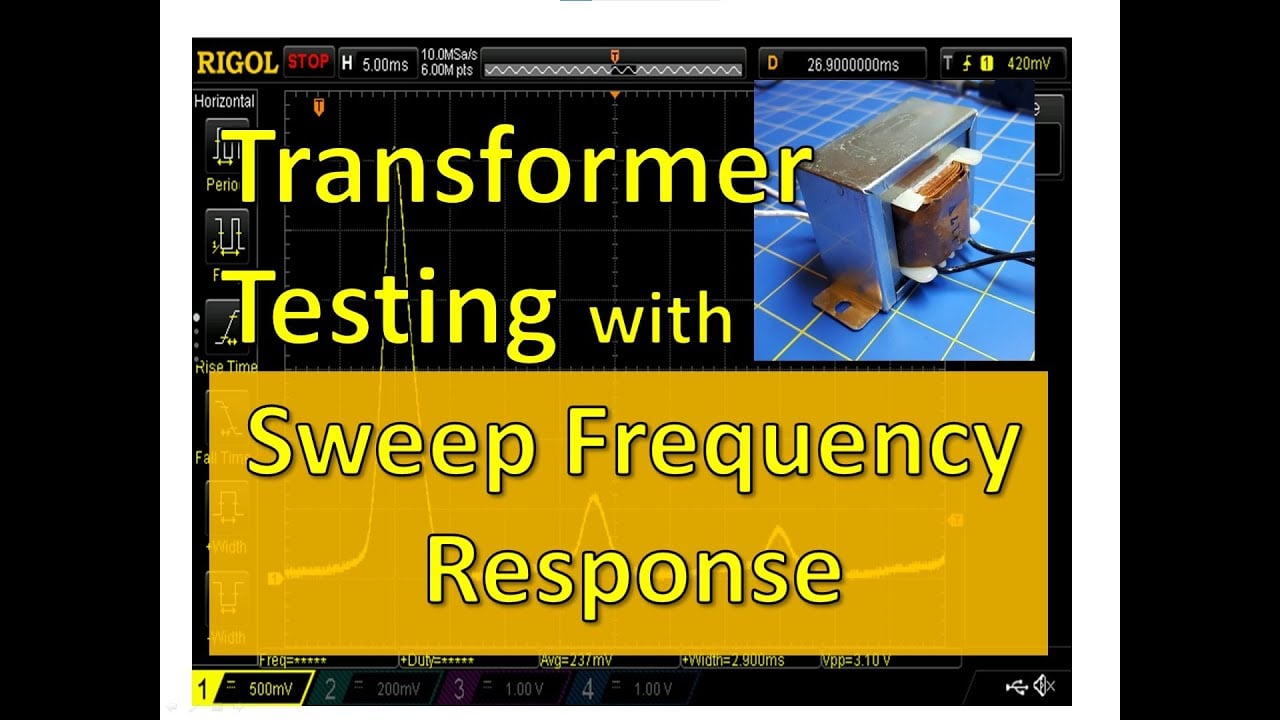
Further learning: Transformer Testing with Sweep Frequency Response — EETechStuff. This educational video supports the topic; it is not a product demonstration or an operating authorization. افتح الفيديو على يوتيوب.
The educational video introduces sweep frequency response testing. It supports understanding of the method, while actual connections and conclusions require the approved procedure and a qualified analyst.
الأسئلة الشائعة
Can SFRA identify winding movement with certainty?
SFRA can provide evidence of a changed response, but a trace difference alone does not prove one specific physical defect. Check repeatability, configuration and complementary evidence before diagnosis.
Is a factory baseline required for every comparison?
A suitable same-unit baseline is valuable. When it is missing, specialists may use other comparisons with documented limitations; the report should disclose the reduced confidence.
Can I compare curves taken at different tap positions?
Do not assume they are directly comparable. Record the configuration and ask the responsible analyst to determine whether the comparison is valid for the intended investigation.
Does passing SFRA authorize energization?
No. The measurement is part of a wider acceptance or diagnostic process. Restoration, outstanding issues and energization approval remain subject to the site’s responsible authority.

 شركة شنغهنغ لعدات الطاقة المحدودة.